
Northern Lights in Yukon
Experience the Aurora Borealis Beneath Canada’s Northern Sky
The Yukon is one of Canada’s most remarkable destinations for experiencing the Northern Lights.
From the dark skies surrounding Whitehorse to the mountains of Kluane and the historic landscapes of Dawson City, the territory offers many memorable settings in which to watch the Aurora Borealis.
Your Yukon journey can include more than evenings beneath the northern sky. During the day, explore mountain scenery, meet northern wildlife, try dog sledding, relax at the Eclipse Nordic Hot Springs or travel through some of Canada’s most dramatic wilderness.
Yukon Home and Tour offers multi-night Northern Lights packages from Whitehorse with accommodation, airport transportation, guided sightseeing and aurora viewing from a dedicated site outside the city.
Why See the Northern Lights in Yukon?
Dark Northern Skies
Much of the Yukon has limited artificial light, particularly outside its communities. Travelling away from central Whitehorse provides access to darker surroundings where weaker aurora displays may be easier to see.
A Long Aurora-Viewing Season
The Yukon’s official Northern Lights season generally extends from mid-August until mid-April.
This creates two distinct experiences:
- Autumn aurora viewing with colourful landscapes and milder temperatures
- Winter aurora viewing with longer nights, snowy scenery and traditional northern activities
Travel Yukon identifies approximately 10:00 p.m. to 3:00 a.m. as the principal viewing window, although the aurora can appear earlier or later.
Mountain, Forest and Lake Scenery
The Yukon offers a very different visual environment from the flatter landscapes commonly associated with some other Canadian aurora destinations.
Depending on the location and season, the Northern Lights may appear above:
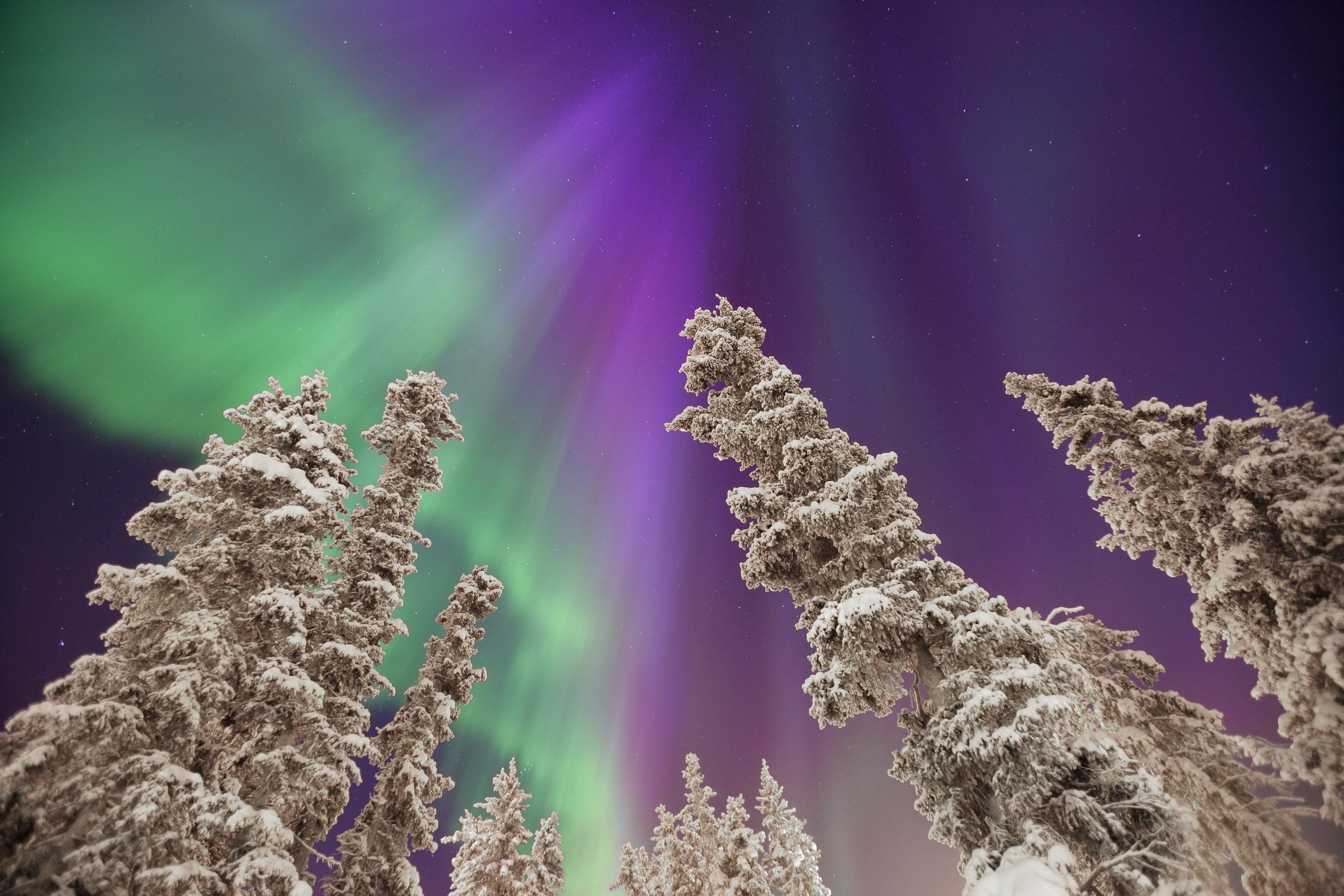
- Snow-covered forests
- Mountain ranges
- Frozen lakes
- Open valleys
- Historic communities
- Autumn foliage
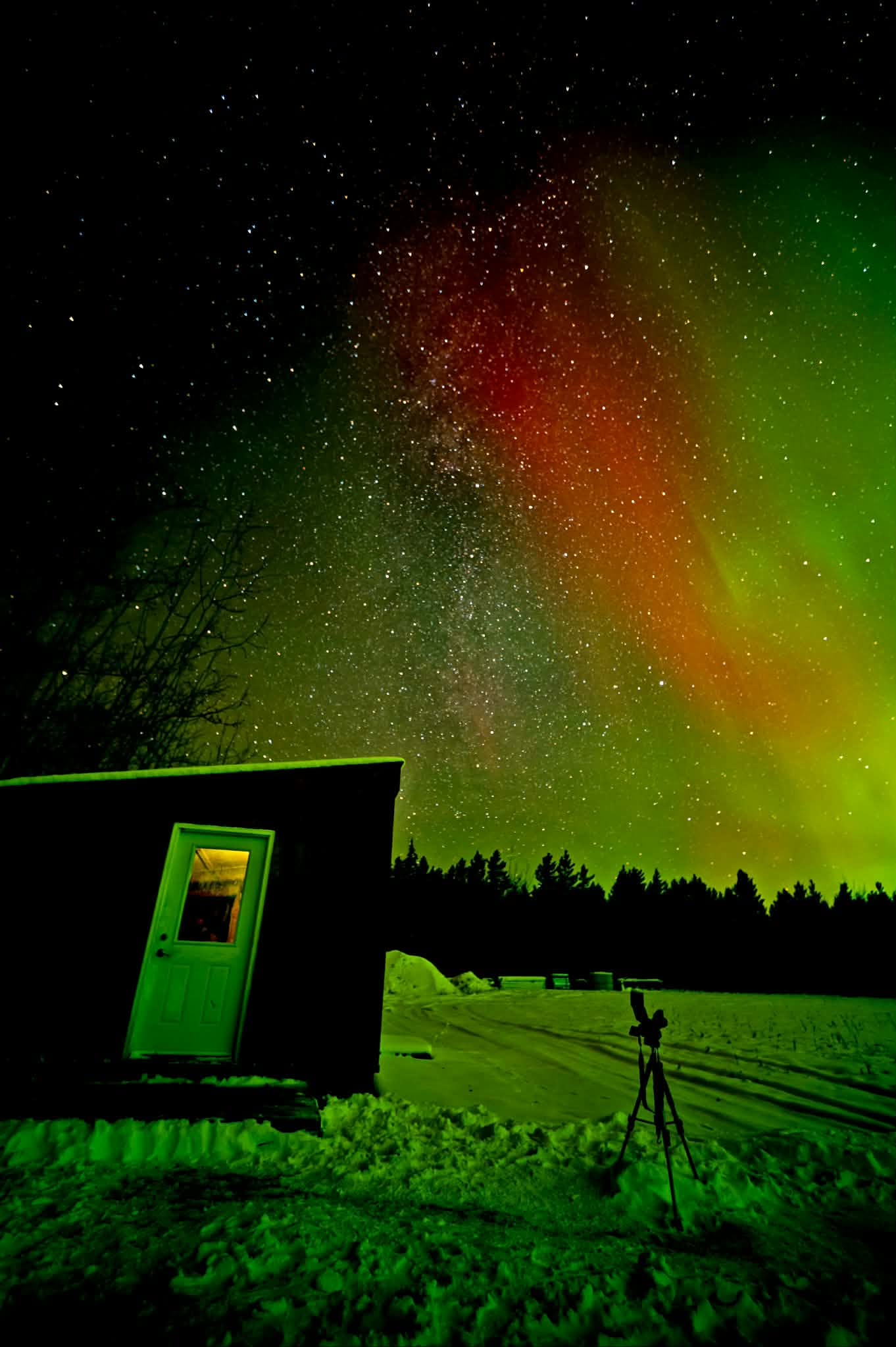
- Quiet wilderness cabins
More Daytime Experiences
A Yukon aurora vacation can also include wildlife, dog sledding, ice fishing, snowmobiling, Eclipse Nordic Hot Springs, museums, historic communities and scenic road trips.
This makes Whitehorse especially attractive to travellers who want the Northern Lights to be one part of a complete northern journey.
What Causes the Northern Lights?
The Northern Lights are also known as the Aurora Borealis.
They occur when charged particles from the Sun interact with Earth’s magnetic environment and upper atmosphere. These interactions create the glowing forms and colours visible in the northern sky.
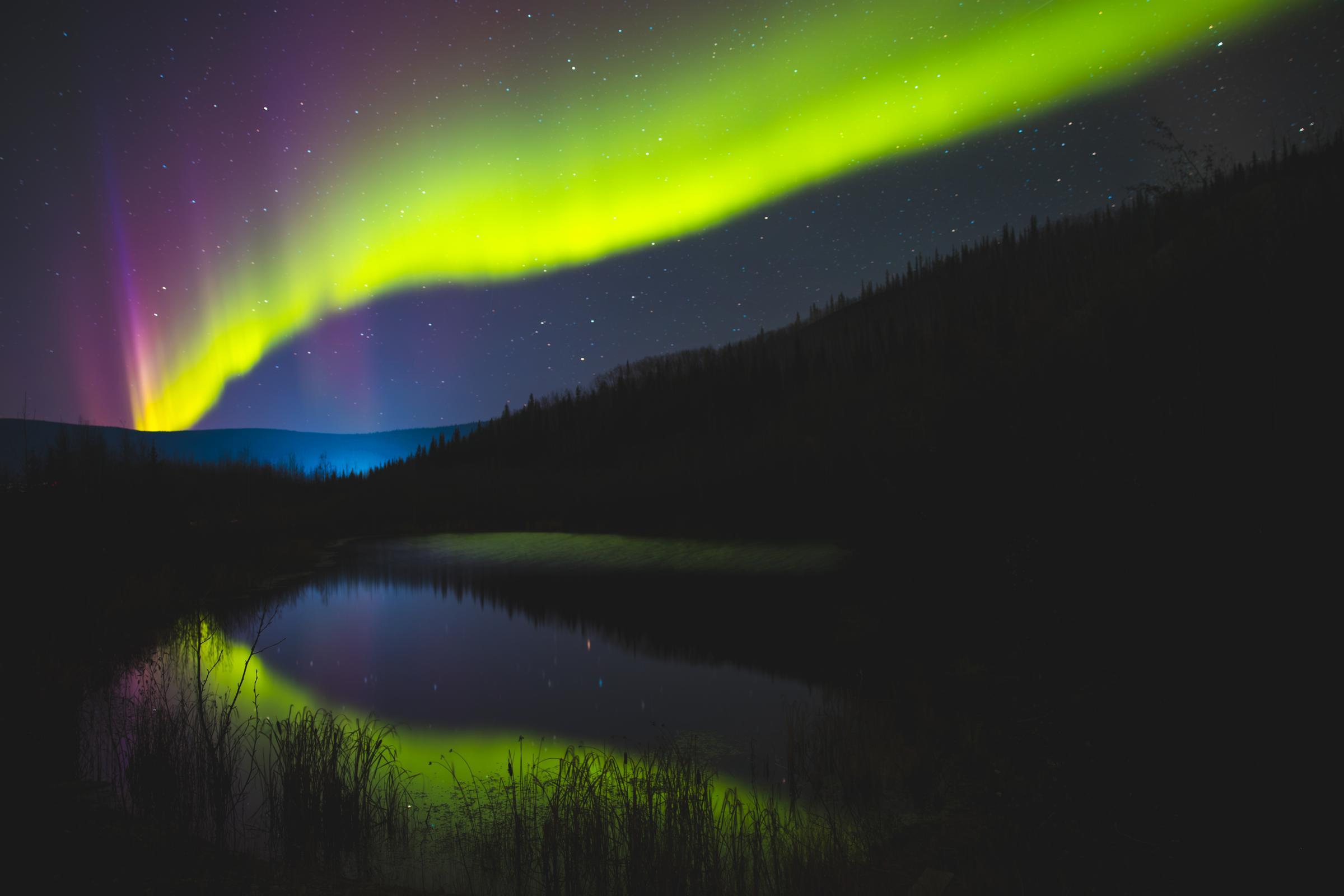
Green is the colour seen most often, but an aurora may also appear:
- White
- Pink
- Purple
- Blue
- Red
A display may begin as a faint arc near the northern horizon. It can then develop into bands, pillars or moving curtains that stretch across the sky.
No two aurora nights are exactly alike. Some displays are subtle and brief, while others move rapidly and fill much of the sky.
Where Can You See the Northern Lights in Yukon?
Whitehorse
The Most Accessible Base for a Yukon Aurora VacationWhitehorse is Yukon’s capital and the principal arrival point for most visitors travelling by air.
The city offers hotels, restaurants, transportation, tour operators and access to numerous daytime attractions. Visitors can stay in Whitehorse and travel a short distance outside the city for darker viewing conditions.
Whitehorse is particularly suitable for travellers who want to combine the Northern Lights with:
- Dog sledding
- Ice fishing
- Yukon Wildlife Preserve
- Eclipse Nordic Hot Springs
- Whitehorse sightseeing
- Carcross and Emerald Lake
- Kluane National Park
- Museums and cultural attractions
- Scenic Yukon day tours
Yukon Home and Tour’s viewing site is located outside the brighter lights of Whitehorse and includes an open northern view and a rustic heated cabin or teepee.
The Southern Lakes and Carcross
Aurora Viewing Surrounded by Lakes and MountainsThe Southern Lakes region includes communities and landscapes around Carcross, Marsh Lake, Tagish and Teslin.
This region is known for mountain scenery, open water, frozen lakes and quieter surroundings outside Whitehorse.
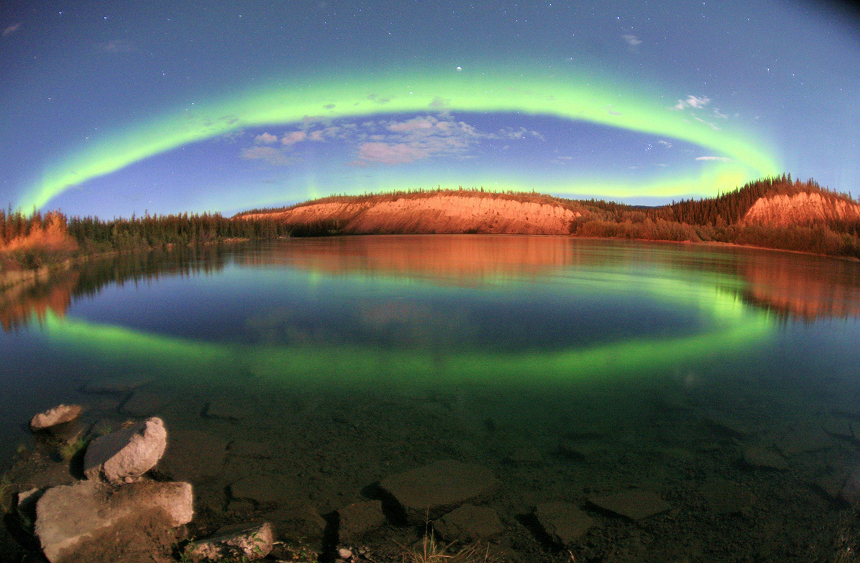
During autumn, unfrozen water may create opportunities for aurora reflections. In winter, snow-covered mountains and frozen lakes provide a classic northern backdrop.
Carcross can also be combined with:
- Emerald Lake
- Bennett Lake
- Carcross Desert
- Local cultural attractions
- South Klondike Highway scenery
Viewing conditions, road safety and access vary throughout the year.
Haines Junction and Kluane
Northern Lights Beneath the Saint Elias MountainsHaines Junction is the gateway to the Kluane region and its immense mountain landscapes.
The area surrounding Kluane National Park and Reserve offers a dramatic setting for the Northern Lights. Nearby Kathleen Lake is highlighted by Travel Yukon as an accessible viewing area where calm water and surrounding mountains can create striking aurora photographs under suitable conditions.
Haines Junction and Kluane may appeal to travellers interested in:
- Mountain photography
- Wilderness landscapes
- Scenic road travel
- Lakes and viewpoints
- A quieter environment away from the city
- Combining aurora viewing with a longer Yukon itinerary
This is not normally a simple evening excursion from Whitehorse. Overnight accommodation and additional planning may be required.
Dawson City
Aurora Viewing With Klondike HistoryDawson City combines Northern Lights viewing with one of Yukon’s most distinctive historic communities.
Visitors can explore Gold Rush history, wooden boardwalks, cultural attractions and surrounding wilderness during the day before watching the northern sky at night.
Travel Yukon identifies Dawson City as one of the territory’s memorable aurora-viewing destinations.
A Dawson City aurora trip may suit travellers who want:
- Klondike Gold Rush history
- A small northern community
- Scenic viewpoints
- A more remote experience
- A longer Yukon road journey
- Several days beyond Whitehorse
Driving from Whitehorse requires considerable travel time, and winter road conditions must be taken seriously. Flights and seasonal transportation may also be available.
Rural Lodges and Wilderness Cabins
Stay Closer to the Dark SkyLodges and cabins outside Whitehorse offer another way to experience the Yukon aurora.
Staying outside the city can provide:
- Reduced light pollution
- Immediate access to outdoor viewing
- A quieter environment
- More time under the night sky
- A lodge- or cabin-based northern experience
Services vary considerably. Some properties offer all-inclusive packages, while others require guests to arrange transportation, meals and activities separately.
Review the location, accessibility, heating, included transportation and cancellation terms before booking.
Is Whitehorse the Best Place to See the Northern Lights in Yukon?
Whitehorse is generally the most practical base for first-time Yukon visitors.
More remote Yukon locations may offer darker skies or different scenery, but they require additional driving, accommodation and logistical planning.
Whitehorse allows visitors to experience the northern sky while still having the services and comfort of a territorial capital.
It combines:
- Regular commercial-air access
- A range of accommodation
- Restaurants and visitor services
- Established tour operators
- Airport transportation
- Guided Northern Lights viewing
- Access to multiple daytime activities
- Day trips into southern Yukon
When Is the Best Time to See the Northern Lights in Yukon?
The Yukon Aurora Season
The official season generally runs from mid-August to mid-April. Dark, clear nights between approximately 10:00 p.m. and 3:00 a.m. commonly provide the most useful viewing window.
There is no single month that guarantees a visible or stronger display.
Your experience depends on:
- Solar activity
- Cloud cover
- Darkness
- Weather
- Light pollution
- The strength and location of the aurora
August and September
These months offer the opportunity to combine the Northern Lights with Yukon’s autumn colours.
Potential advantages include:
- Milder nighttime temperatures
- Colourful landscapes
- Open lakes and aurora reflections
- Easier daytime sightseeing
- Fall photography
Some seasonal attractions and activities begin closing during September, so availability should be confirmed in advance.
October and November
These transitional months bring longer nights and colder conditions.
Snow may begin covering the landscape, but the availability of winter activities depends on ice, snowfall and individual operators.
December to February
These are the darkest and coldest months of the Yukon winter.
Travellers can combine aurora viewing with activities such as:
- Dog sledding
- Ice fishing
- Snowmobiling
- Snowshoeing
- Wildlife viewing
- Eclipse Nordic Hot Springs
Proper winter clothing is essential.
March and Early April
Late winter may offer increasing daylight during the day while the nights remain dark enough for aurora viewing.
Conditions can still be cold, but many travellers appreciate the additional daytime light for sightseeing and outdoor activities.
Can You See the Northern Lights From Whitehorse?
Yes, a sufficiently strong aurora may be visible from within Whitehorse.
However, streetlights, buildings, trees and other urban light can make weaker displays more difficult to see and photograph.
Destination Canada recommends travelling a short distance into the wilderness outside Whitehorse for darker viewing conditions.
Travelling outside the city provides:
- Darker surroundings
- Less artificial light
- A more open horizon
- Quieter viewing conditions
- Better opportunities for night photography
Aurora Viewing From a Heated Cabin or Teepee
Wait Comfortably for the Yukon Sky to Become Active
Northern Lights viewing can require patience.
The aurora may appear briefly, remain low on the horizon or become active after a long quiet period. During winter, standing outside continuously for several hours can be uncomfortable.
Yukon Home and Tour’s rustic heated cabin or teepee gives guests a comfortable place to wait between outdoor viewing periods.
Inside, you can:
- Warm up and rest
- Enjoy hot drinks and snacks
- Speak with your guides
- Learn about the Aurora Borealis
- Prepare your camera
- Monitor the northern sky through the windows
When activity becomes visible, step outside to watch and photograph the lights under the open Yukon sky.
How Many Nights Should You Stay in Yukon?
Travellers whose main priority is seeing the Northern Lights should consider booking several viewing nights.
Additional nights do not guarantee a sighting, but they provide more opportunities to encounter favourable conditions.
One night may be affected by:
- Thick cloud cover
- Snow
- Changing weather
- Weak aurora activity
- Poor local visibility
- An inconvenient flight schedule
Two Viewing Nights
Suitable for travellers with limited time or people adding a short Yukon visit to a longer Canadian itinerary.
Three Viewing Nights
A balanced option that provides several aurora opportunities and enough time for one or two daytime activities.
Four Viewing Nights
Recommended for travellers making the Northern Lights a central part of the trip and wanting greater flexibility around weather.
Guided Tour or Independent Aurora Viewing?
Join a Guided Tour When:
- You do not want to drive at night
- You are unfamiliar with Yukon winter roads
- You want transportation from Whitehorse
- You prefer a prepared viewing location
- You want access to a heated cabin or teepee
- You would like guide and photography assistance
- You are travelling alone
- You want a simpler experience
Consider Independent Viewing When:
- You are experienced with northern winter driving
- You have an appropriately equipped vehicle
- You understand local road and weather conditions
- You carry emergency supplies
- You know where parking and nighttime access are permitted
- You are comfortable travelling outside the city after dark
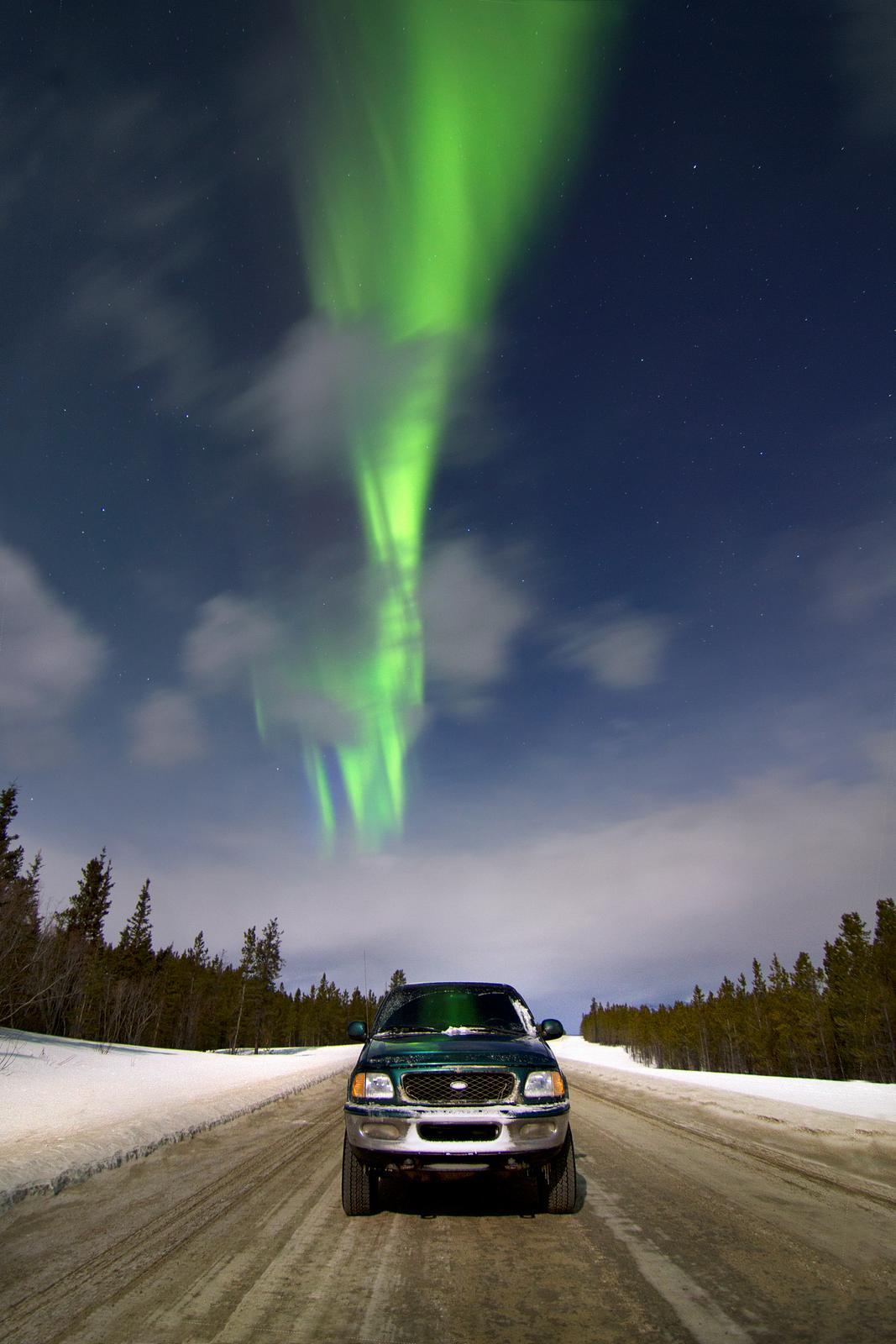
A four-wheel-drive vehicle may help a vehicle move through certain conditions, but it does not eliminate the hazards of snow, ice, wildlife or limited visibility.
What Affects Your Chances of Seeing the Aurora?
Solar Activity
Aurora displays are connected to activity from the Sun and its interaction with Earth’s magnetic environment.
Cloud Cover
Clouds can block the view even when the Aurora Borealis is active above them.
Darkness
The sky must be sufficiently dark. This is why long summer daylight makes aurora viewing difficult or impossible in many northern destinations.
Light Pollution
Streetlights, buildings and vehicle lights can make weaker displays harder to see. NOAA recommends viewing away from city lights where possible.
Viewing Time
The aurora does not follow a fixed schedule. Guests should be prepared to wait and remain awake late into the night.
Northern Lights Packages in Whitehorse
2-Night Northern Lights Package
A short Whitehorse introduction with two aurora-viewing evenings, accommodation, airport transfers and a guided city tour.
Explore the 2-Night Package3-Night Northern Lights Package
A balanced Yukon getaway with three viewing opportunities and time for optional daytime activities.
Explore the 3-Night Package4-Night Northern Lights Package
A more complete Yukon vacation with four aurora evenings and time for several winter or scenic experiences.
Explore the 4-Night PackagePrivate Northern Lights Tour
Reserve an aurora experience for your own family, friends or travel companions.
Explore Private ToursCustom Yukon Aurora Package
Combine your preferred number of viewing nights with accommodation, transportation and selected Yukon activities.
Build a Custom Yukon Package
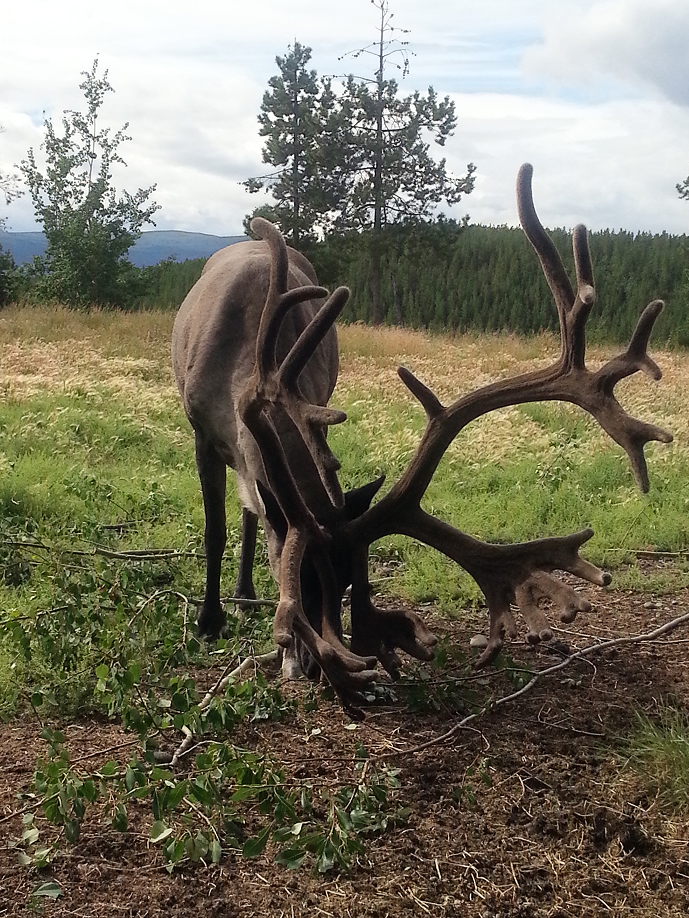
Yukon Wildlife Preserve Tour
See northern Canadian animals in spacious natural environments while learning about the wildlife that inhabits the Yukon.
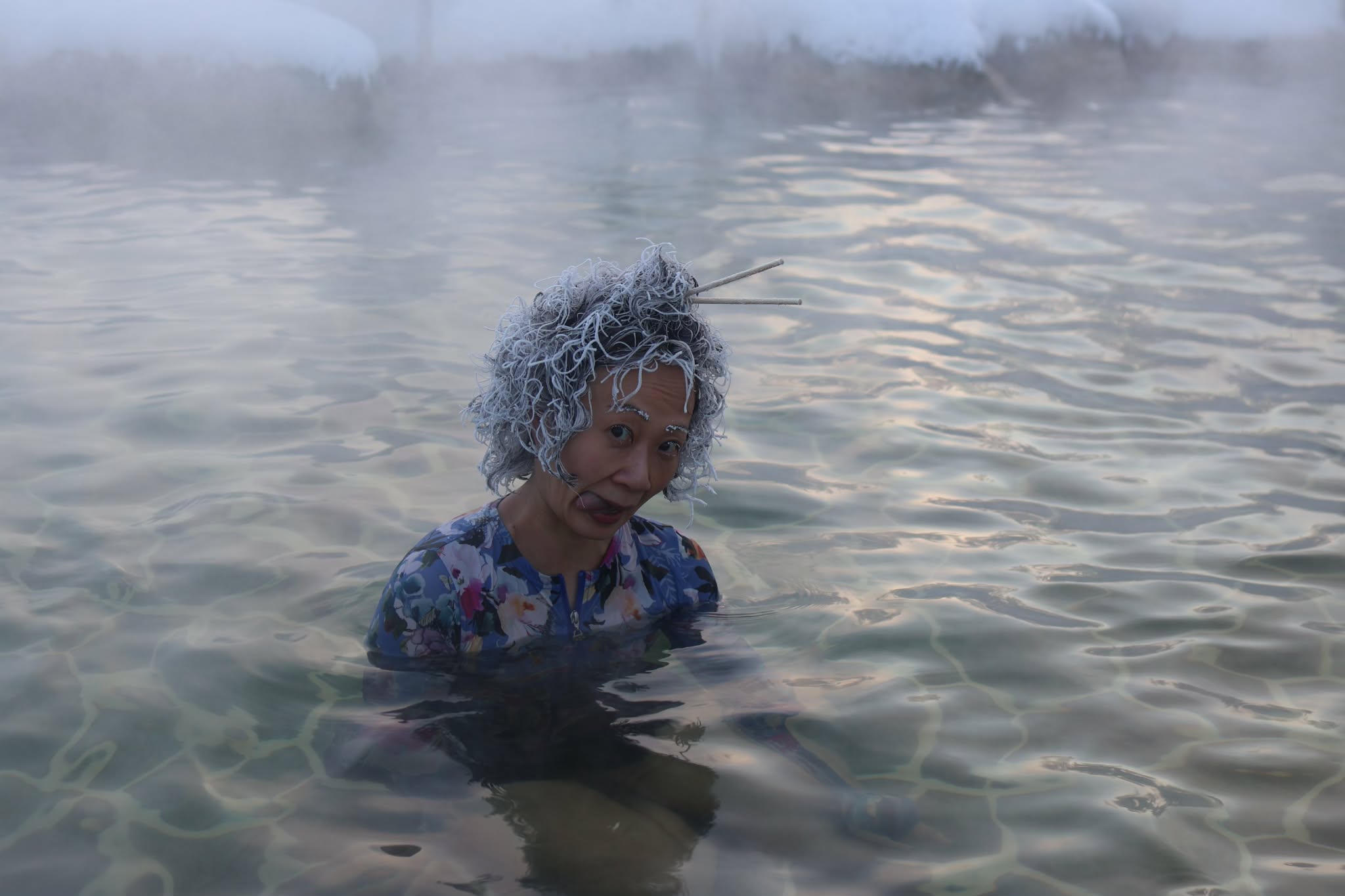
Eclipse Nordic Hot Springs
Relax in warm pools and spa facilities after a winter day outdoors or a late evening of Northern Lights viewing.
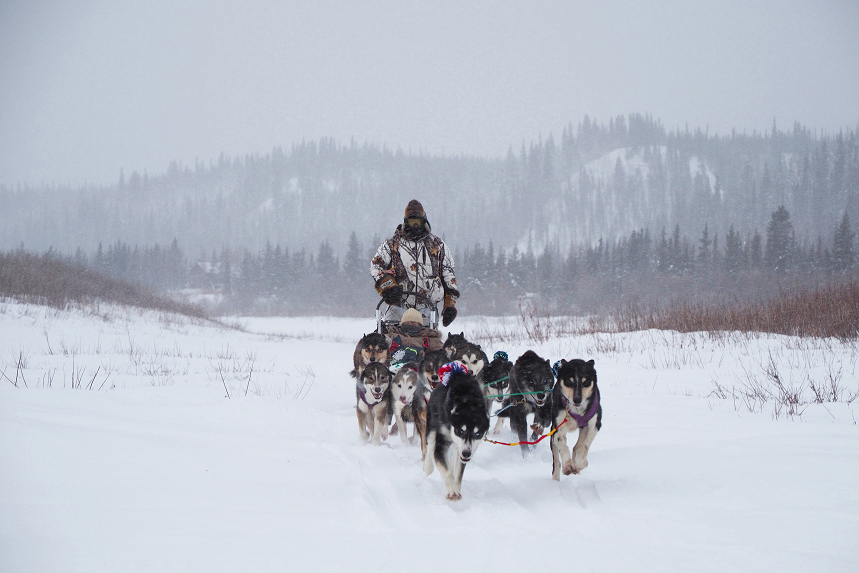
Dog Sledding in Whitehorse
Meet northern sled dogs and experience a tradition closely connected to Yukon travel, transportation and winter life.
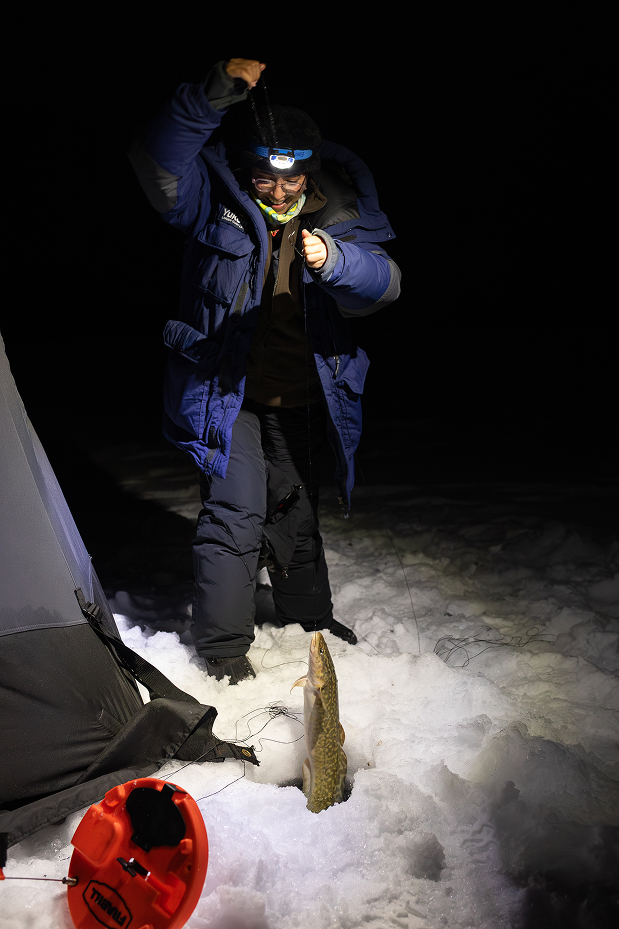
Ice Fishing and Snowshoeing
Spend time on a frozen Yukon lake, try ice fishing from a heated shelter and explore the surrounding winter landscape.
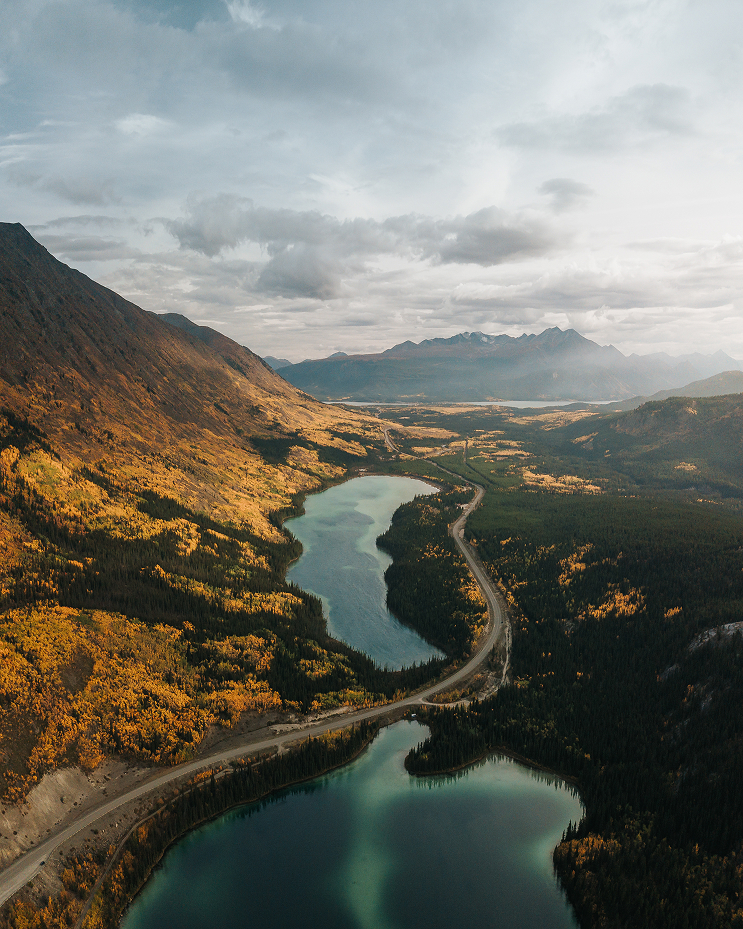
Carcross and Emerald Lake
Travel south of Whitehorse to discover historic Carcross, Emerald Lake, mountain landscapes and some of the region’s best-known scenic stops.
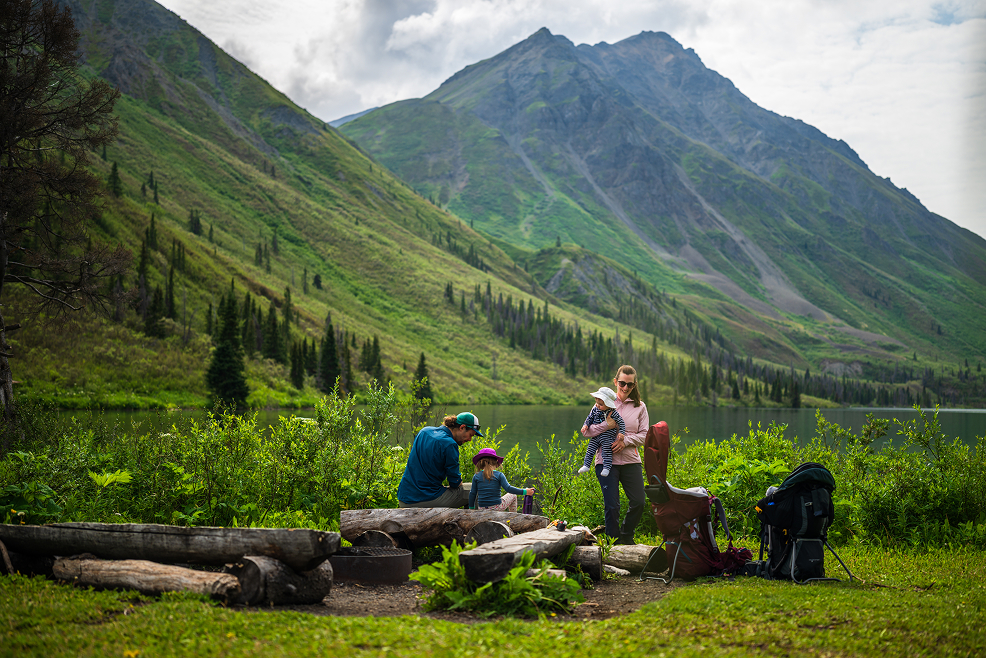
Kluane National Park
Journey west from Whitehorse towards Haines Junction, mountain viewpoints, lakes and the immense wilderness surrounding Kluane National Park.
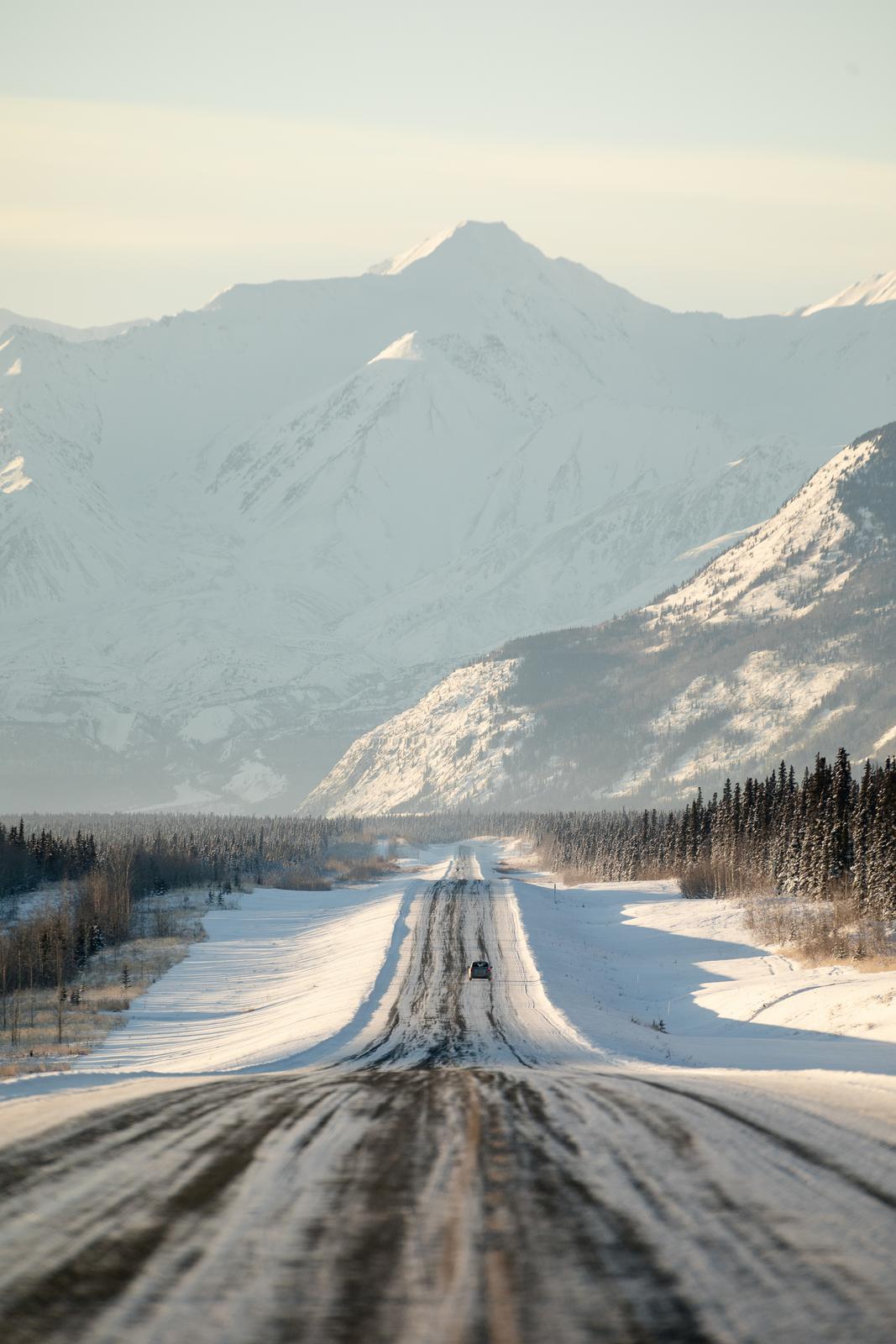
Seasonal Yukon Adventures
Our available experiences change with the seasons. Winter brings snow-covered landscapes and traditional cold-weather activities, while summer and autumn open the door to hiking, wildlife, scenic drives and long days under the northern sky.
Custom Tours
Our available experiences change with the seasons. Winter brings snow-covered landscapes and traditional cold-weather activities, while summer and autumn open the door to hiking, wildlife, scenic drives and long days under the northern sky.
Yukon or Yellowknife for the Northern Lights?
Yellowknife may be the first Canadian destination many travellers associate with the Aurora Borealis. It has a powerful international reputation and a tourism industry strongly focused on aurora viewing.
Yukon offers a different type of northern vacation.
Choose Yukon and Whitehorse When You Want:
- Northern Lights viewing with mountain scenery
- Forests, lakes and rivers
- Dog sledding, wildlife and Eclipse Nordic Hot Springs
- Autumn and winter travel options
- Scenic day trips
- Accommodation and transportation coordinated together
- A wider variety of daytime experiences
- A heated cabin or teepee during aurora viewing
Consider Yellowknife When You Want:
- A trip focused almost entirely on the aurora
- A destination internationally known for Northern Lights tourism
- Open Northwest Territories landscapes
- Numerous lodge-based and mobile aurora options
- A specialised aurora-centred itinerary
Both destinations are recognised as accessible Canadian aurora locations, and neither can guarantee a sighting.
The Simple Comparison
Yellowknife is famous for the Northern Lights. Whitehorse gives you the Northern Lights and the Yukon.
Frequently Asked Questions
Whitehorse is the most practical base for many first-time visitors because it combines airport access, accommodation, established tours and numerous daytime activities.
Carcross, Haines Junction, Kluane and Dawson City offer different landscapes but require additional travel planning.
There is no guaranteed best month.
The season generally runs from mid-August to mid-April. Autumn offers milder temperatures and colourful scenery, while winter provides longer nights and snow-based activities.
No.
Aurora visibility depends on solar activity, cloud cover, darkness, weather and local viewing conditions. No responsible tour operator can guarantee a sighting.
The aurora may remain active, but Yukon’s long summer daylight makes it difficult or impossible to see during much of the summer.
Practical viewing generally returns around mid-August.
A strong display may be visible from the city.
Travelling outside Whitehorse generally provides darker conditions, fewer obstructions and a better viewing experience.
The aurora does not follow a fixed schedule.
Approximately 10:00 p.m. to 3:00 a.m. is commonly identified as a useful Yukon viewing window, but activity may appear earlier or later.
Three or four viewing nights are commonly recommended for travellers making the Northern Lights a major purpose of their journey.
More nights provide additional opportunities around changing weather and cloud cover.
Autumn is generally milder and may provide aurora reflections on unfrozen lakes.
Winter offers longer nights, snow-covered landscapes and activities such as dog sledding, ice fishing and snowmobiling.
Not when the required transportation is included with your package or tour.
A guided experience may be especially helpful for visitors who do not want to drive unfamiliar Yukon roads late at night.
A strong aurora can be clearly visible and colourful.
A weaker display may initially look pale or greyish. Cameras are more sensitive to low light and may record colours and detail that are less obvious to the human eye.
Yellowknife has the stronger international reputation as a specialised aurora destination.
Yukon may be more suitable when you want to combine Northern Lights viewing with mountains, wildlife, Eclipse Nordic Hot Springs, dog sledding and scenic touring.
Wear several warm layers appropriate for the season.
Winter clothing should generally include thermal base layers, insulated outerwear, winter boots, warm socks, a hat, face protection and insulated gloves or mittens.
Let’s Plan Your Yukon Adventure
Have questions about Northern Lights tours in Whitehorse, package availability or when to visit?
Planning your first trip to Northern Canada and looking for a fun-filled Yukon itinerary, our local team is here to help. Tell us your preferred travel dates, group size and the activities that interest you. We will recommend a suitable package and help you plan the next step.
Thank you!
We’ve received your trip details and will get back to you at the contact method you prefer as soon as possible.