

Whitehorse vs Yellowknife
Whitehorse vs Yellowknife: Where Should You See the Northern Lights?
Comparing Two of Canada’s Leading Aurora Destinations
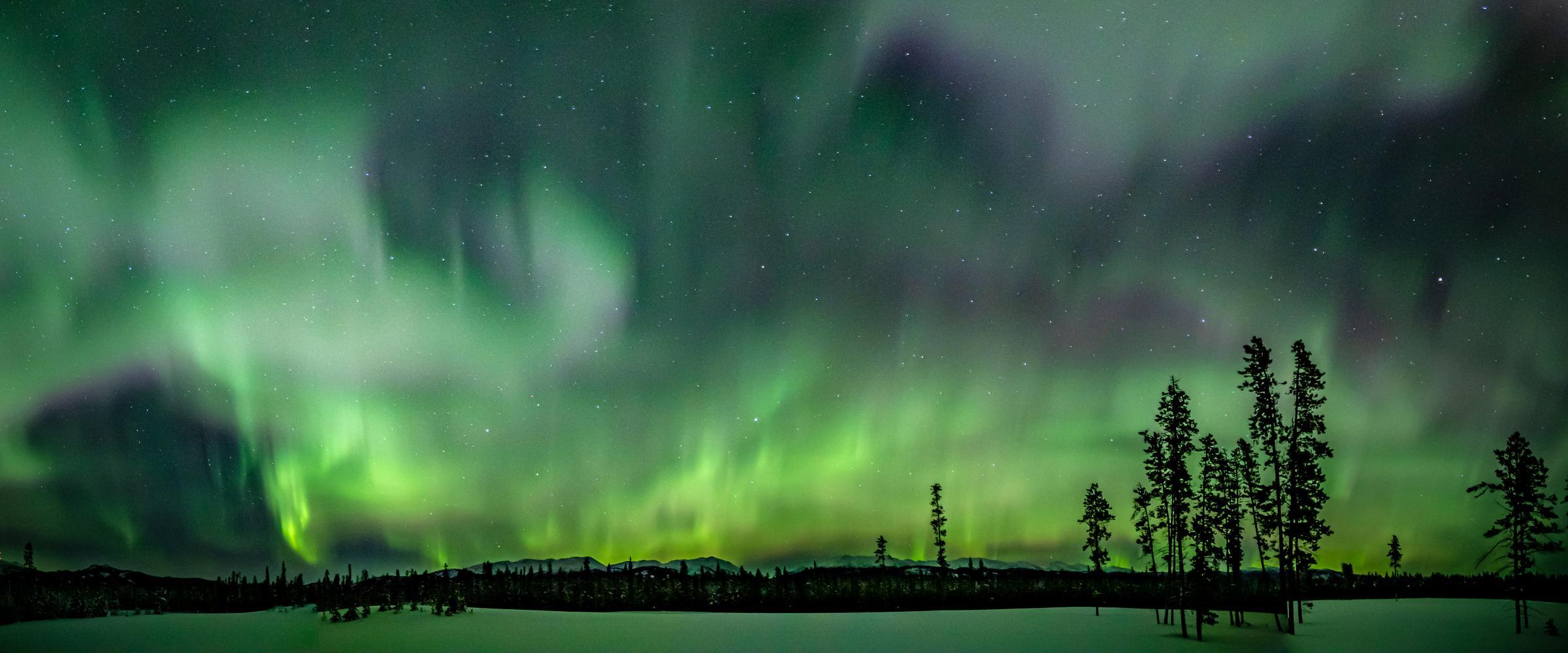
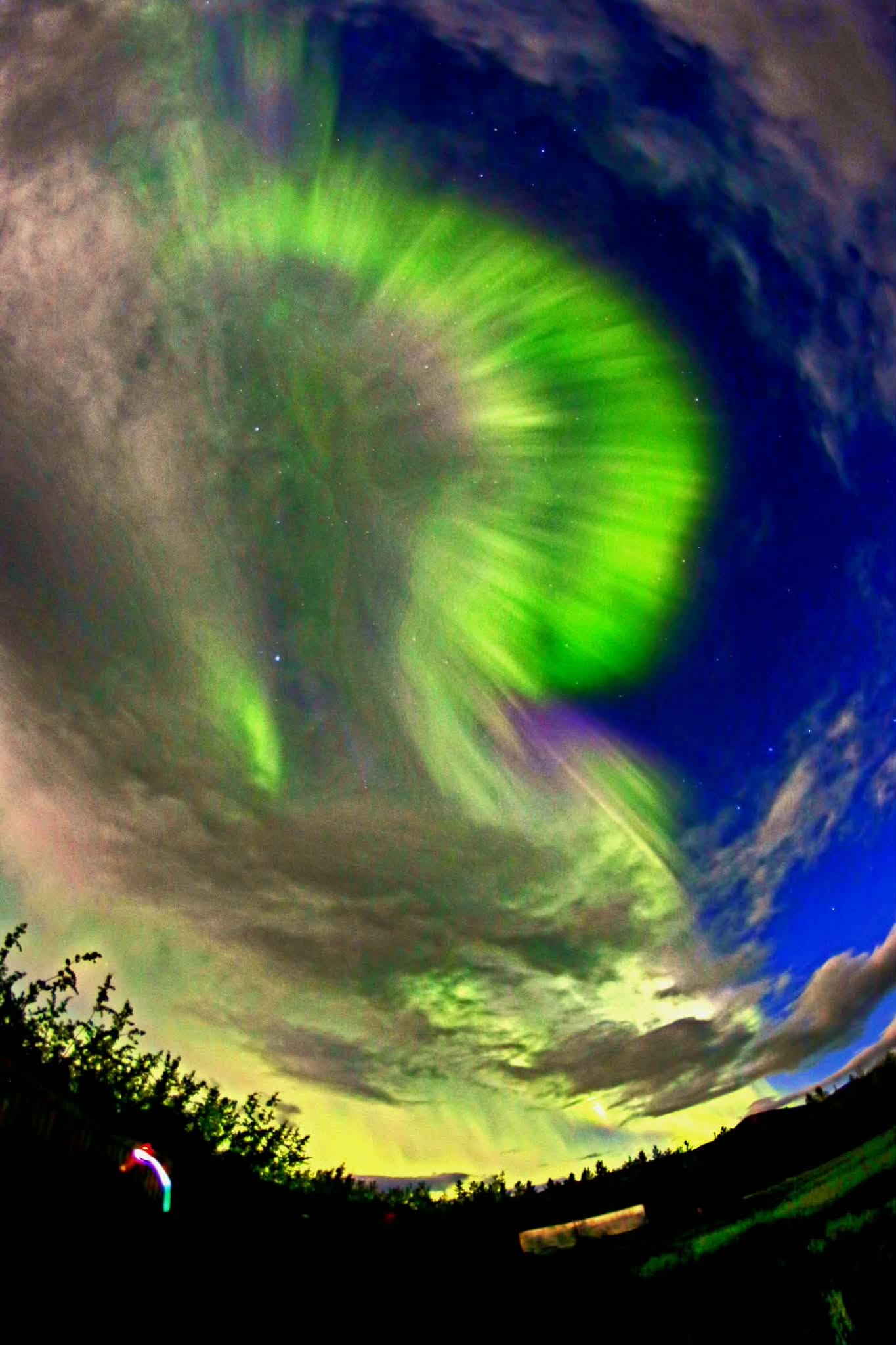
Whitehorse and Yellowknife are two of the most accessible and recognised places to see the Northern Lights in Canada. Both offer dark northern skies, organised aurora tours and unforgettable winter experiences—but they provide very different kinds of vacations. Destination Canada identifies both cities among Canada’s leading accessible aurora destinations.
Yellowknife is internationally known for its specialised Northern Lights tourism, open landscapes and location beneath the auroral oval.
Whitehorse offers excellent aurora viewing together with Yukon mountains, forests, wildlife, dog sledding, Eclipse Nordic Hot Springs and scenic road trips.
The better destination depends on one important question:
Do you want a trip focused almost entirely on the Northern Lights, or do you want the Northern Lights to be part of a broader northern adventure?
The Quick Answer
Choose Yellowknife When:
- Seeing the Northern Lights is almost the sole purpose of your trip
- You want a destination with a powerful international aurora reputation
- You prefer open, relatively flat northern landscapes
- You want a large selection of specialised aurora lodges and tours
- You are comfortable with colder midwinter temperatures
- You want an itinerary strongly centred on nightly aurora viewing
Yellowknife lies within the auroral oval, and Northwest Territories Tourism promotes up to 240 nights of active Northern Lights annually across the territory. Its fall and winter seasons support an established selection of lodges, cabin-based experiences and mobile aurora tours.
Choose Whitehorse When:
- You want the Northern Lights and a complete Yukon vacation
- You prefer mountain, forest, river and lake scenery
- You want dog sledding, wildlife, Eclipse Nordic Hot Springs or scenic day tours
- You are interested in autumn as well as winter travel
- You prefer somewhat milder average midwinter temperatures
- You want accommodation, transportation and activities organised together
- You want to stay in a northern city and travel outside it for aurora viewing
Whitehorse is Yukon’s capital and the main base for exploring the territory. The Yukon’s recognised aurora season extends from mid-August to mid-April, with dark, clear nights between approximately 10:00 p.m. and 3:00 a.m. offering the principal viewing window.
Our Simple Comparison
Yellowknife is famous for the Northern Lights. Whitehorse gives you the Northern Lights and the Yukon.
Which Destination Has Better Northern Lights?
Yellowknife Has the Stronger Pure-Aurora Reputation
For travellers judging only by aurora reputation and the concentration of Northern Lights tourism, Yellowknife has an advantage.
Yellowknife is located beneath the auroral oval, an area of concentrated aurora activity surrounding Earth’s magnetic poles. Northwest Territories Tourism promotes the territory as having up to 240 nights of active Northern Lights each year, supported by relatively open landscapes and limited light pollution outside the city.
The city offers a broad selection of:
- Aurora-viewing lodges
- Heated teepees and cabins
- Mobile aurora-hunting tours
- Indigenous cultural experiences
- Photography-focused tours
- Fly-in wilderness lodges
- Multi-night aurora packages
For someone travelling to Canada almost exclusively to watch the sky every night, Yellowknife is a strong and logical choice.
Whitehorse Offers Excellent Viewing With More Variety
Whitehorse is also an established Canadian aurora destination.
Travellers can stay in the city and travel a short distance into darker Yukon surroundings for viewing. Destination Canada highlights aurora experiences approximately 20 minutes outside Whitehorse, away from artificial light.
The difference is that Whitehorse does not have to be an aurora-only vacation.
Your evenings can focus on the Northern Lights, while your days include wildlife, mountains, historic sites, frozen lakes, dog sledding, Eclipse Nordic Hot Springs and scenic travel through southern Yukon.
Can Either Destination Guarantee a Sighting?
No.
The Northern Lights are a natural phenomenon. Visibility depends on:
- Solar and geomagnetic activity
- Cloud cover
- Darkness
- Local weather
- Light pollution
- The position and strength of the display
Even when the aurora is active above the clouds, it may not be visible from the ground.
No responsible tour operator in Whitehorse, Yellowknife or elsewhere can guarantee a sighting on a particular evening.
Comparing the Aurora Seasons
Whitehorse Aurora Season
The Yukon’s recognised Northern Lights season generally runs from mid-August to mid-April.
Travel Yukon divides the season into an autumn period beginning around mid-August and a winter season continuing into early April. It identifies approximately 10:00 p.m. to 3:00 a.m. as the most useful general viewing window.
Autumn in Whitehorse
Autumn may offer
- Milder nighttime temperatures
- Golden fall landscapes
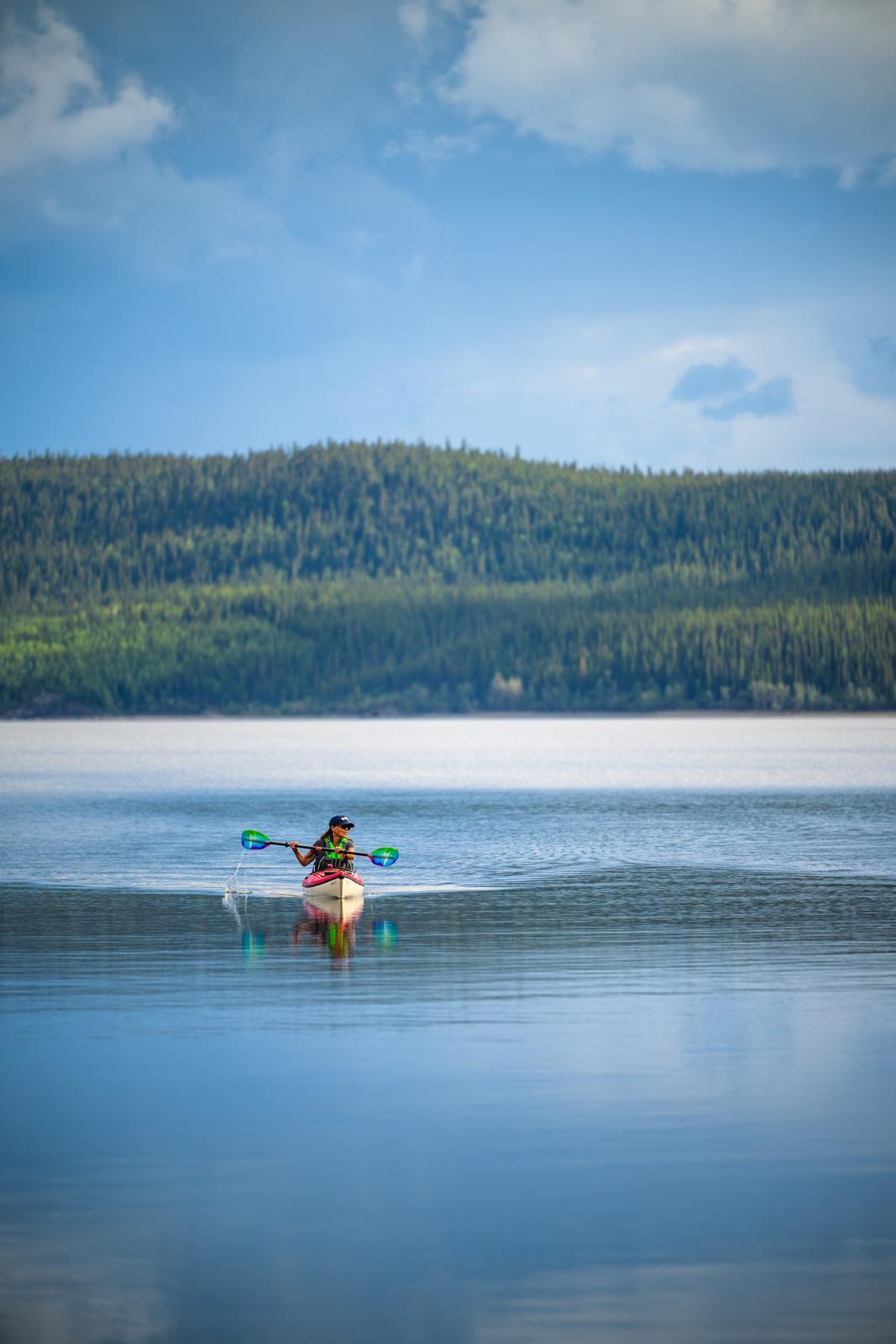
- Open lakes
- Possible aurora reflections
- Easier daytime sightseeing
- Mountain and landscape photography
Winter in Whitehorse
Winter may offer
- Longer periods of darkness
- Snow-covered landscapes
- Dog sledding
- Ice fishing
- Snowmobiling
- Snowshoeing
- Wildlife viewing
- Eclipse Nordic Hot Springs
Yellowknife Aurora Season
Yellowknife also offers fall and winter aurora experiences.
Northwest Territories Tourism generally describes the fall season as running from early or mid-August to late September, followed by a winter season from approximately late November or early December to early April. Exact lodge and tour operating dates vary.
Fall in Yellowknife
Fall may provide
- Dark skies without the deepest winter cold
- Open lakes
- Aurora reflections
- Boat- or lodge-based experiences
- Easier outdoor photography
Winter in Yellowknife
Winter may provide
- Long, dark nights
- Frozen lakes and ice roads
- Snow-covered landscapes
- Cabin and lodge experiences
- Dog sledding and snowmobiling
- A classic subarctic winter environment
Which Season Is Better?
Neither destination has one month that guarantees stronger aurora activity.
Choose your dates according to the complete experience you want:
- Visit in autumn for milder conditions and open-water photography
- Visit in winter for snow, long nights and cold-weather activities
- Book several viewing evenings rather than depending on one night
Which Destination Has Better Scenery?
Whitehorse: Mountains, Forests, Rivers and Lakes
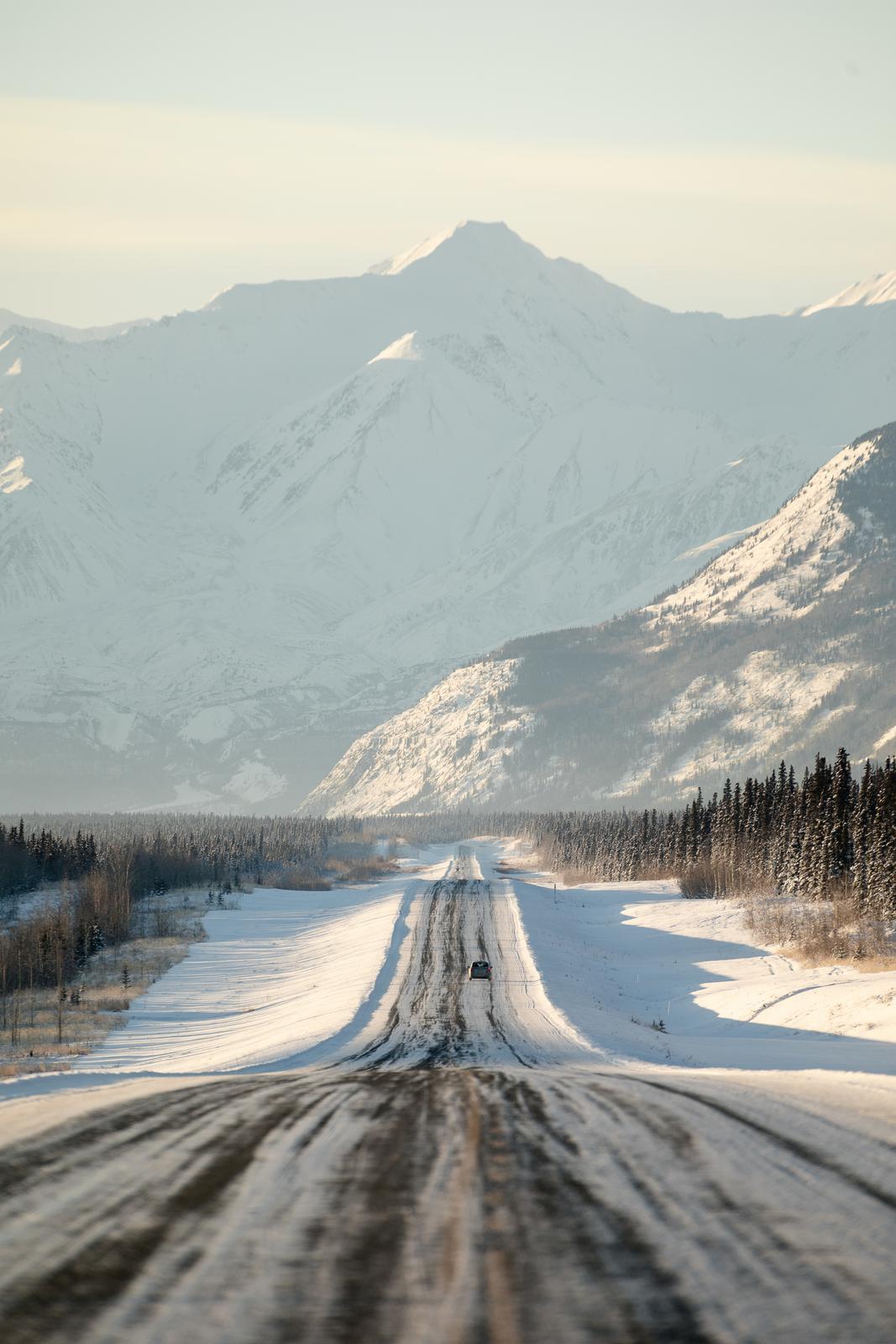
Whitehorse is surrounded by a more varied mountainous environment.
The city sits along the Yukon River and serves as a base for travelling towards:
- Carcross
- Emerald Lake
- Bennett Lake
- Haines Junction
- Kluane National Park
- The Southern Lakes
- The Alaska Highway
- The South Klondike Highway
Whitehorse is nicknamed the Wilderness City and is promoted as both an aurora destination and a starting point for outdoor adventure throughout Yukon.
Aurora photographs may include:
- Forested horizons
- Snow-covered hills
- Mountains
- Cabins
- Lakes
- Autumn colours
- Yukon wilderness scenery
Yellowknife: Open Sky, Lakes and Canadian Shield
Yellowknife offers a different northern landscape.
The area is characterised by broad skies, exposed rock, boreal forest and the immense Great Slave Lake. The relatively open horizon can provide an impressive sense of space when the aurora stretches across the sky.
Yellowknife may be preferable when you want:
- Wide, unobstructed horizons
- Frozen-lake landscapes
- Canadian Shield scenery
- Aurora lodges on or near lakes
- A more distinctly subarctic visual environment
Which Is Better for Photography?
Choose Whitehorse when you want the aurora framed by mountains, forests, cabins or varied Yukon landscapes.
Choose Yellowknife when you want open horizons, lake reflections and broad sky compositions.
The better photographic destination depends on your preferred landscape rather than the aurora alone.
Which Destination Has Better Daytime Activities?
Whitehorse Offers a Broader Scenic Itinerary
Whitehorse is particularly strong for travellers who want varied daytime experiences.
Popular options may include:
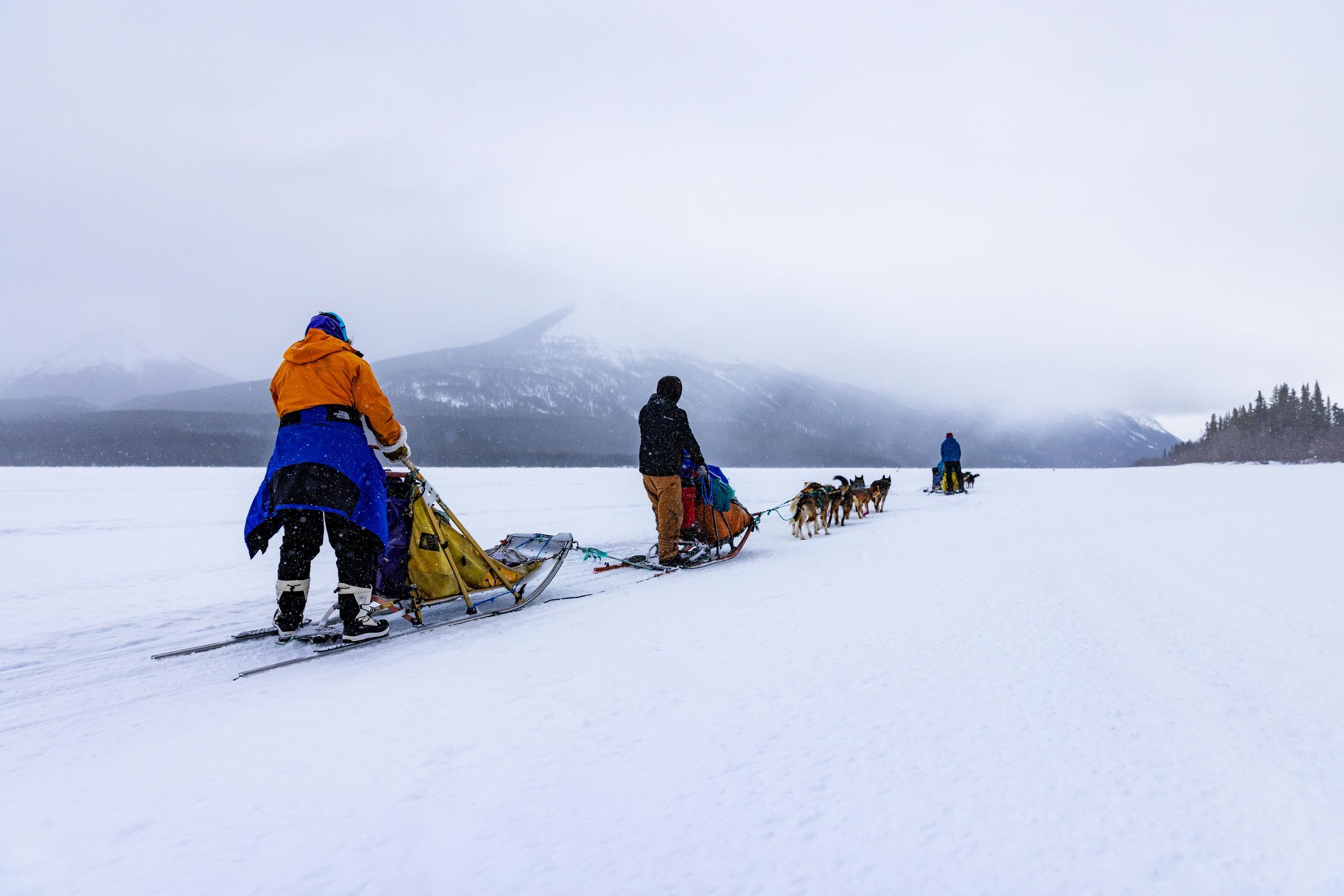
Dog Sledding
Meet working sled dogs and experience one of Yukon’s best-known winter traditions.
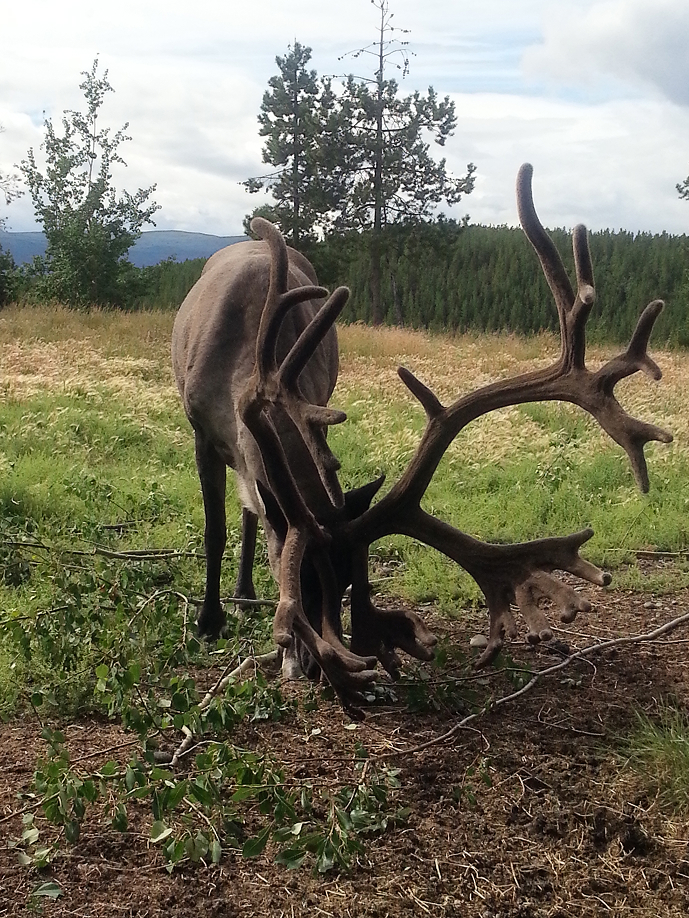
Yukon Wildlife Preserve
See animals such as bison, caribou, muskoxen, mountain goats and Arctic foxes in spacious northern habitats.
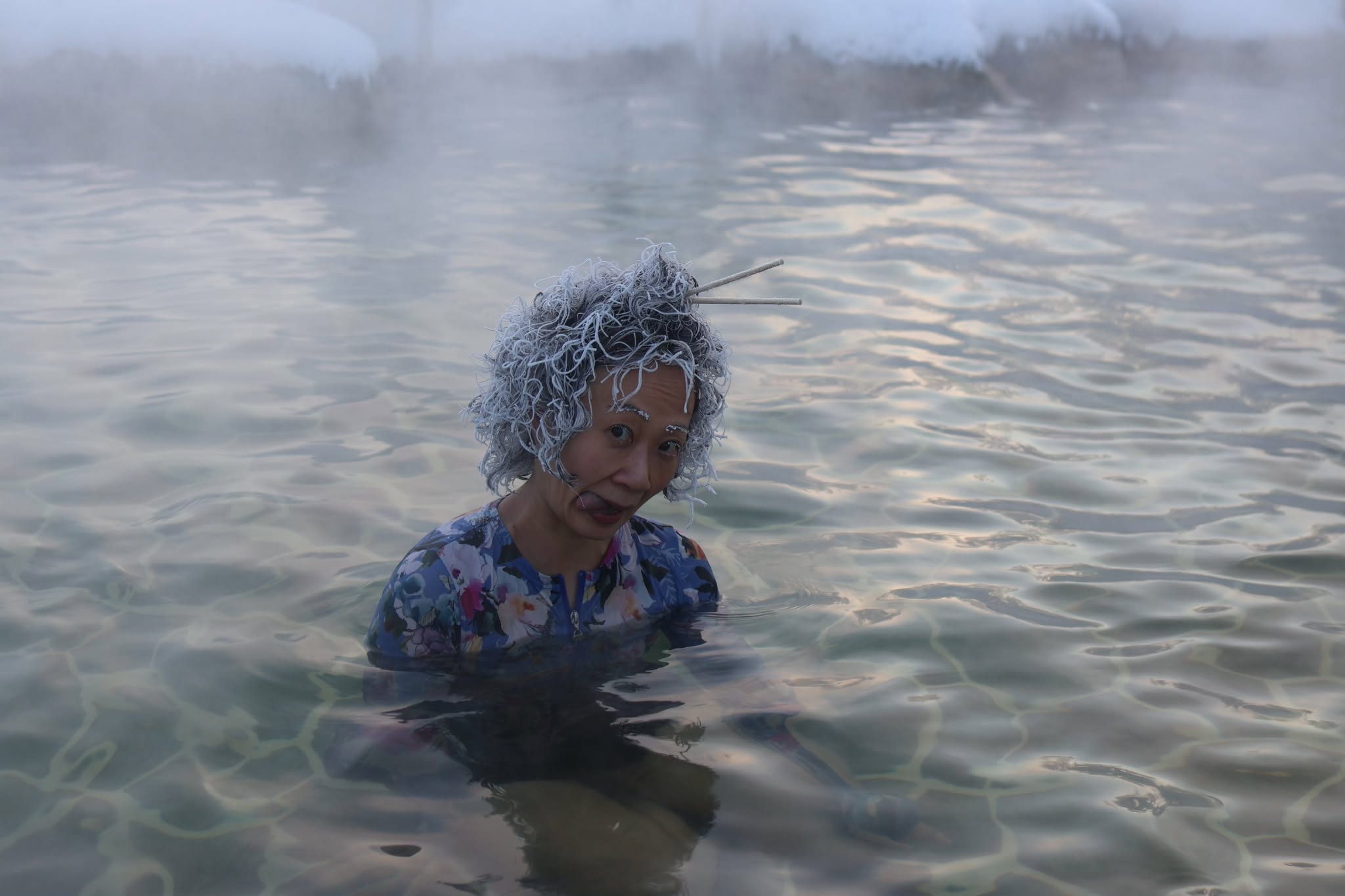
Eclipse Nordic Hot Springs
Relax in outdoor pools and Nordic-inspired facilities after an active day or late aurora tour.
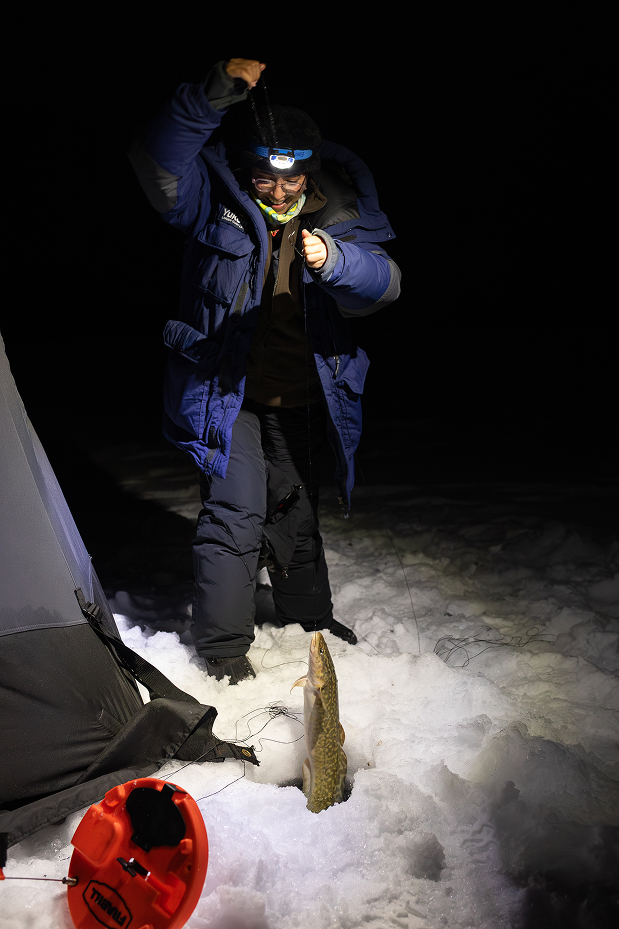
Ice Fishing and Snowshoeing
Spend time on a frozen Yukon lake and experience traditional northern winter recreation.
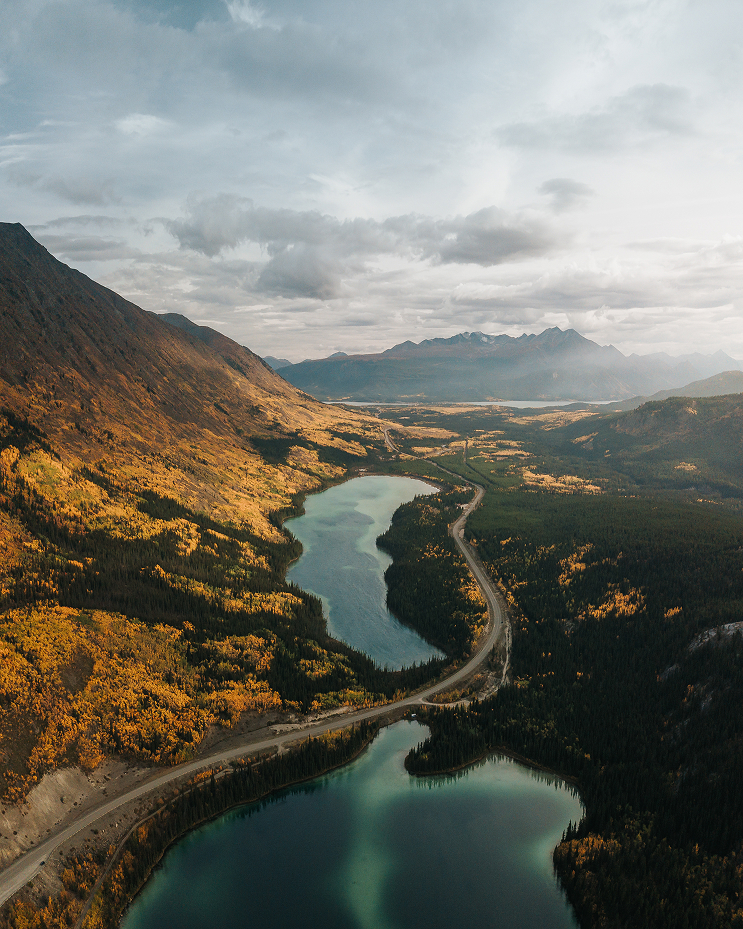
Carcross and Emerald Lake
Explore historic Carcross, the Carcross Desert, mountain scenery and the distinctive colours of Emerald Lake.
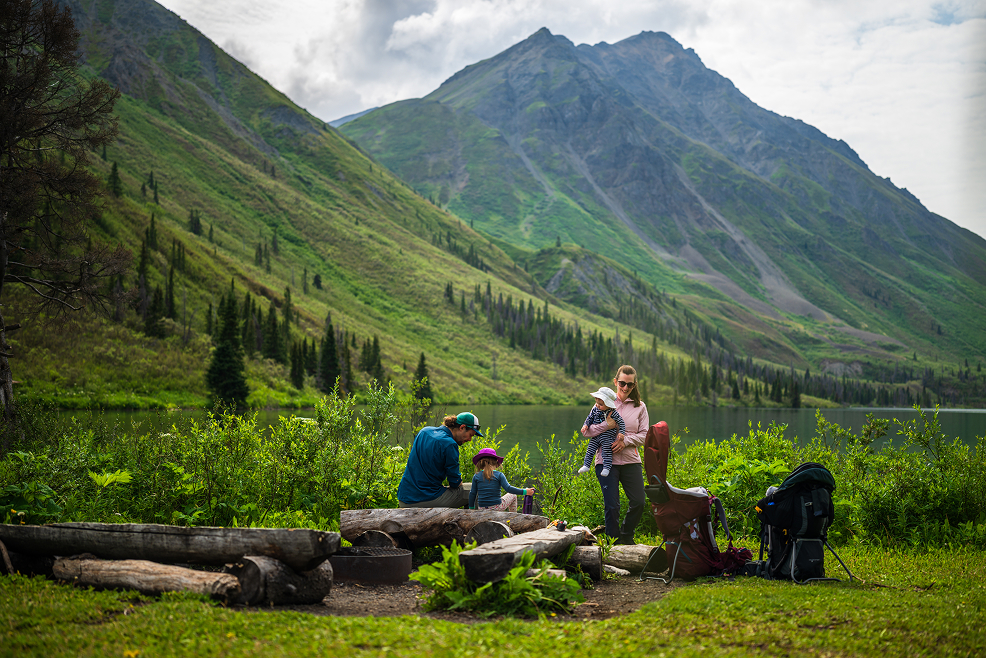
Kluane National Park
Travel west towards Haines Junction and the immense mountain landscapes surrounding Kluane.
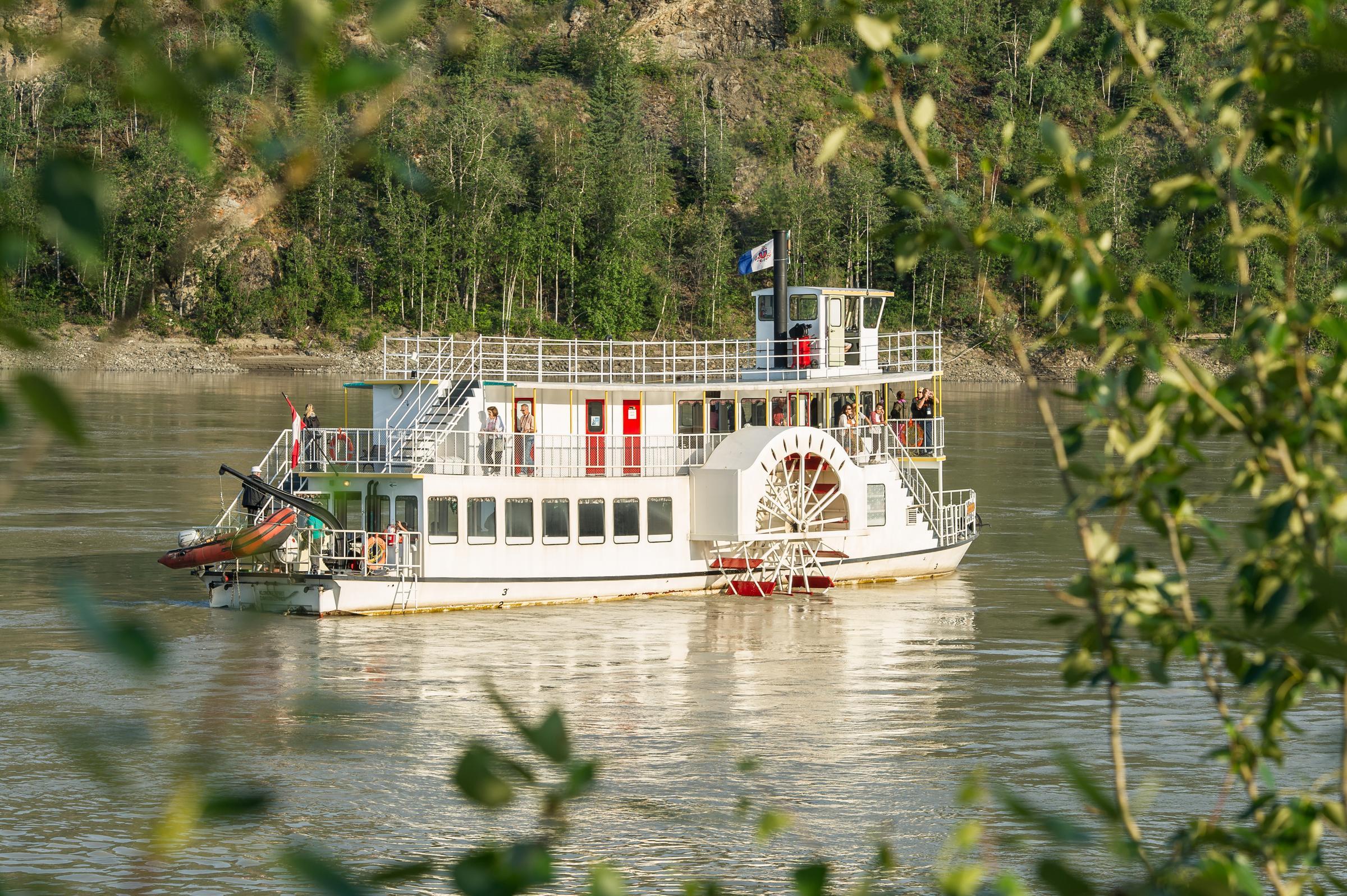
Whitehorse City Tour
Discover the Yukon River, S.S. Klondike, historic buildings, museums and the story of Yukon’s capital.
Whitehorse’s position as Yukon’s main visitor base makes it suitable for combining several types of experiences within one itinerary.
Yellowknife Offers More Aurora-Centred Northern Activities
Yellowknife also provides memorable daytime experiences, particularly those connected with the Northwest Territories’ landscape and cultures.
Options may include:
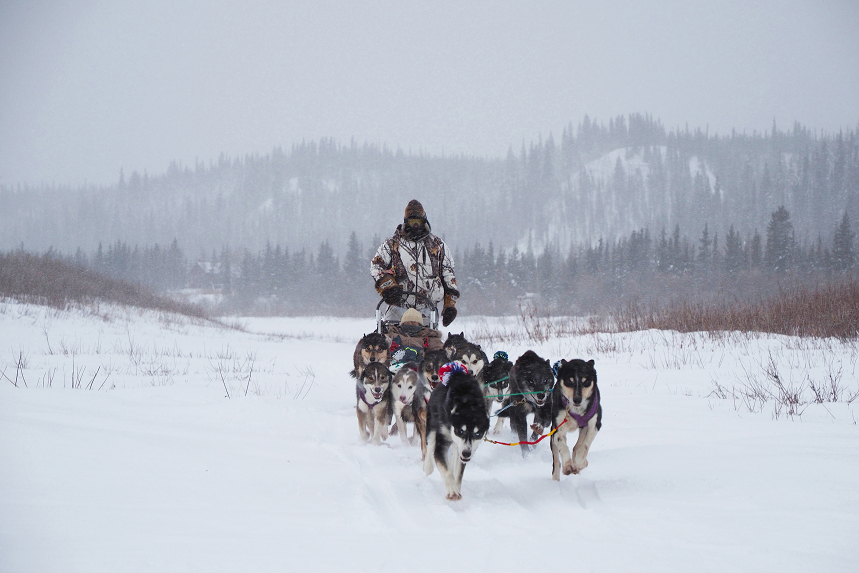
Dog Sledding
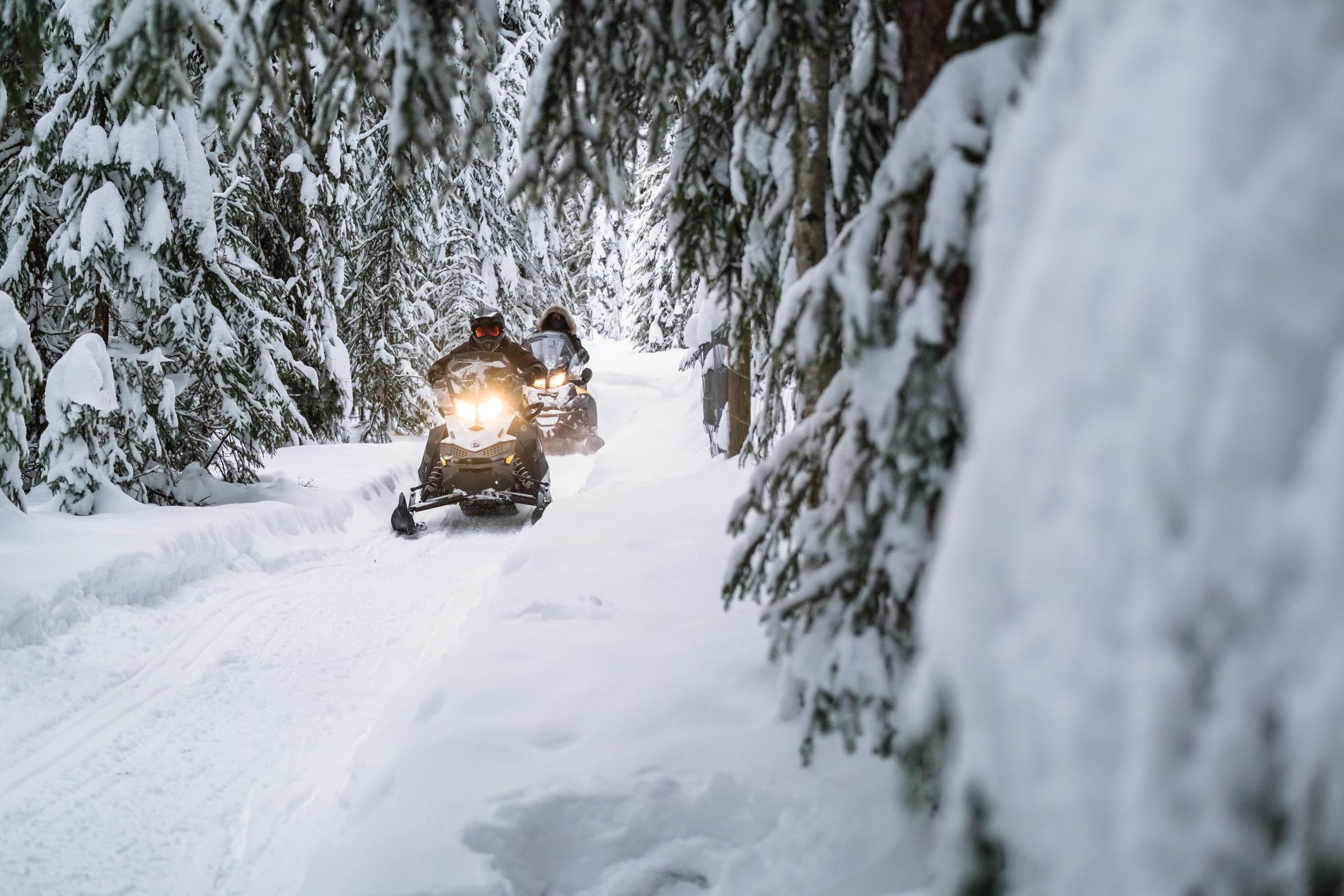
Snowmobiling
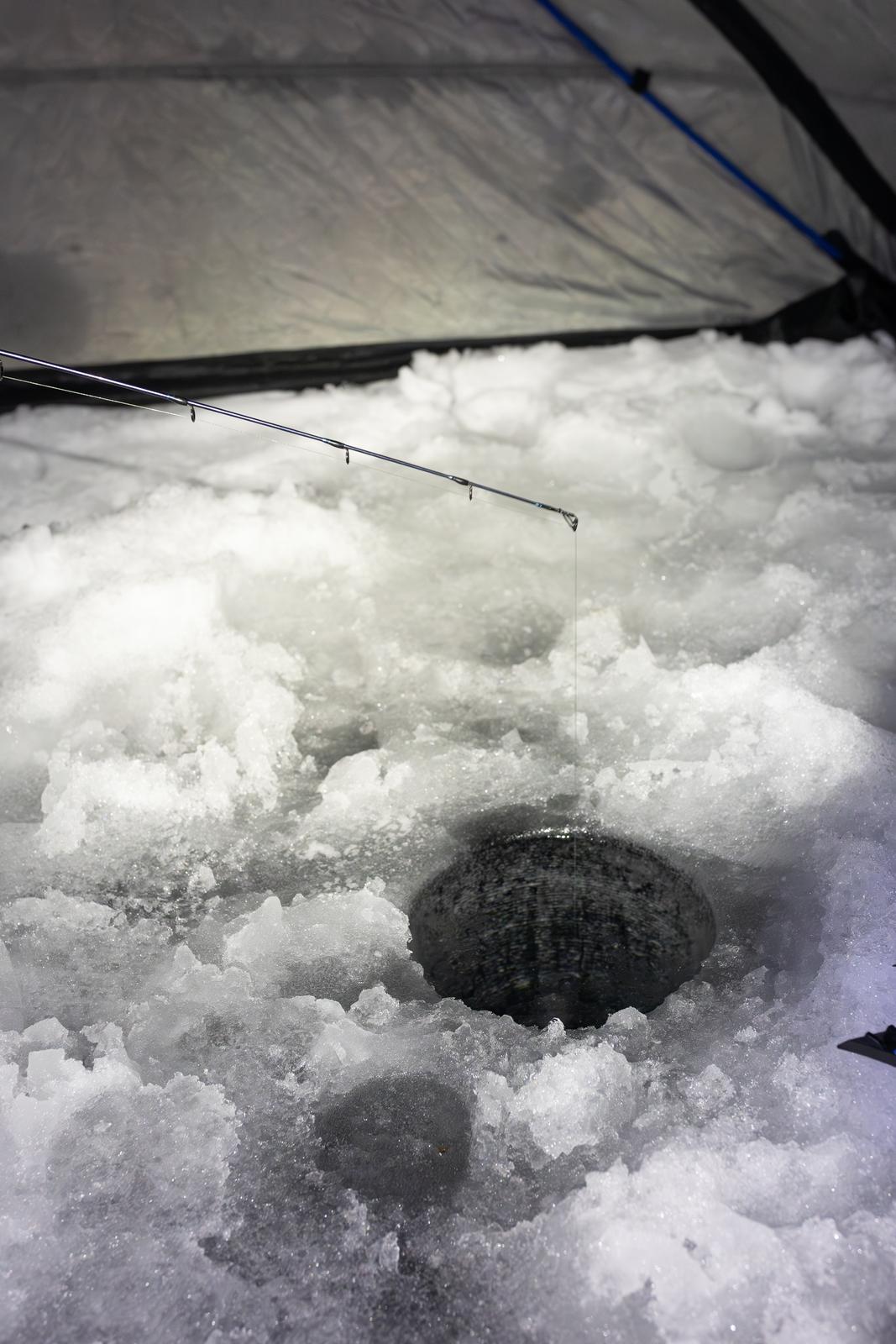
Ice Fishing
Ice-Road Experiences
Great Slave Lake Activities
Indigenous Cultural Tours
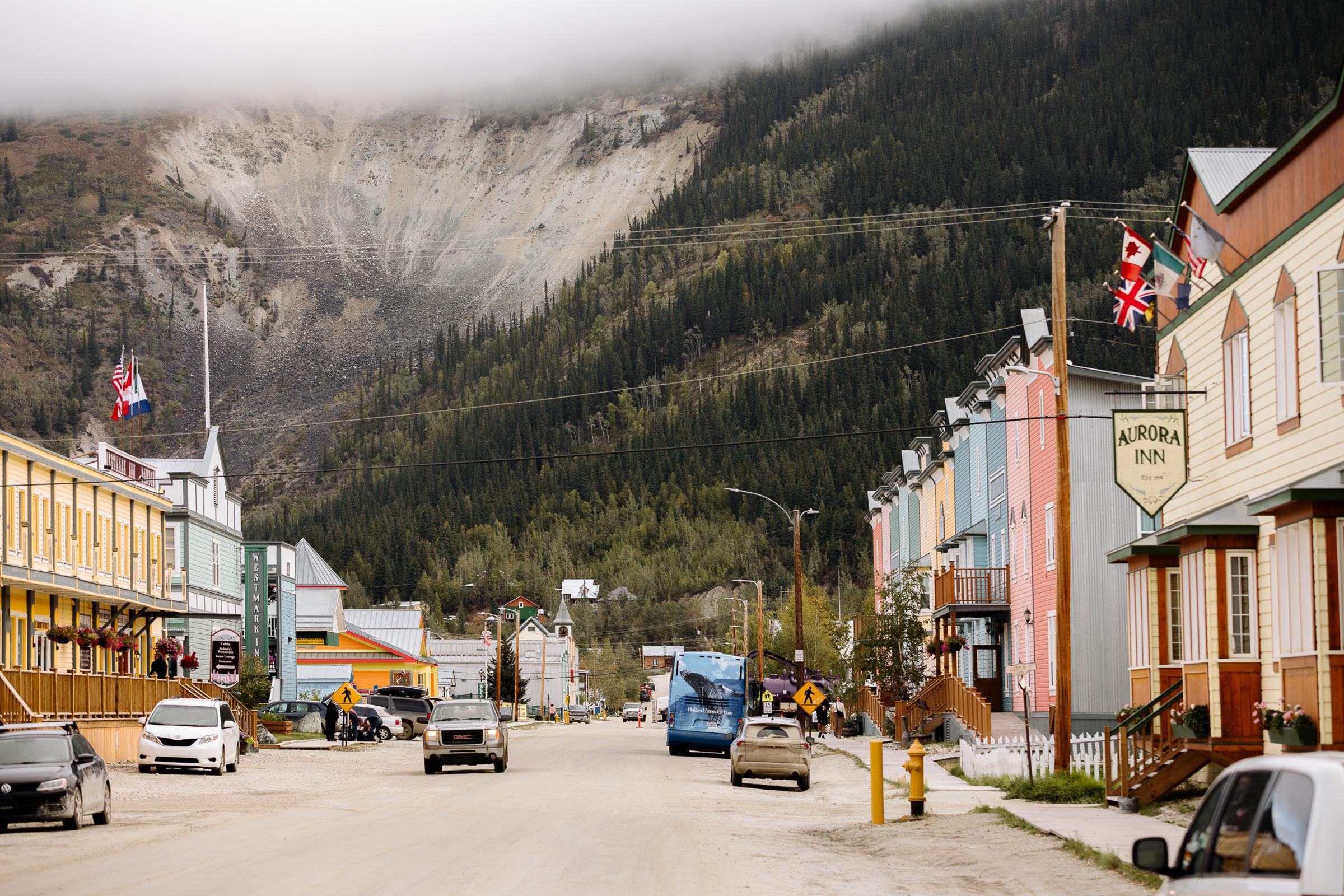
Old Town Sightseeing
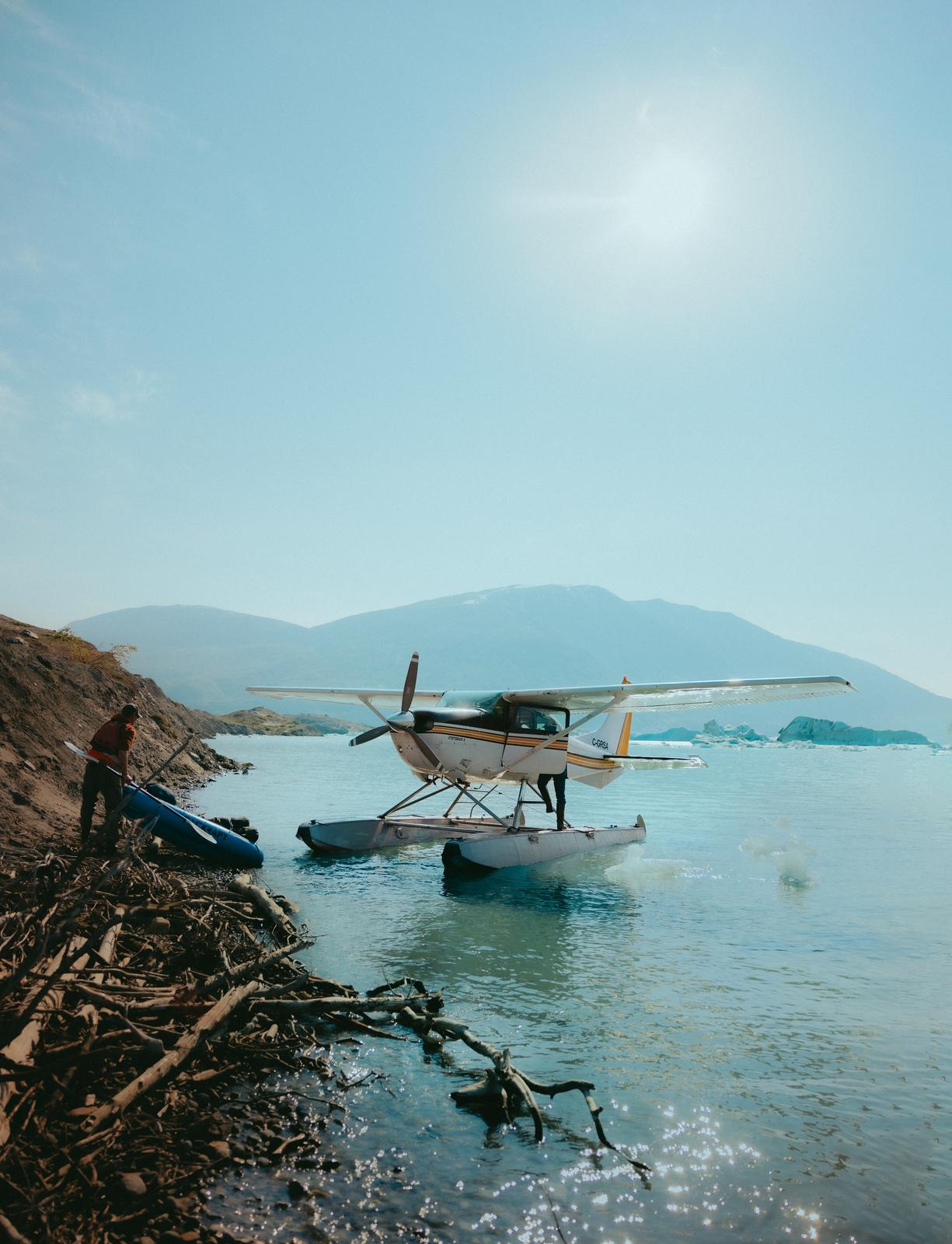
Bush-Plane Experiences
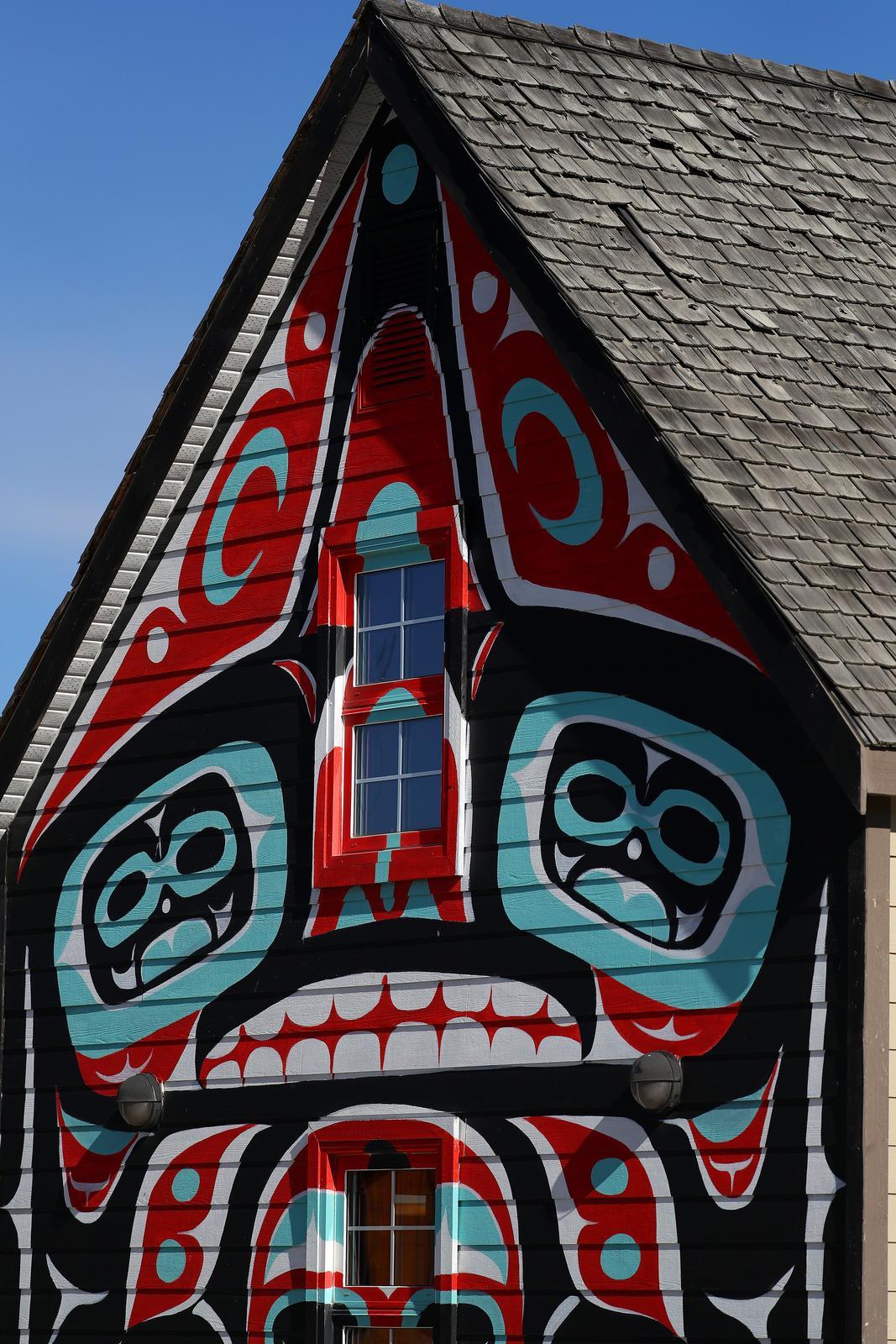
Northern Arts and Crafts
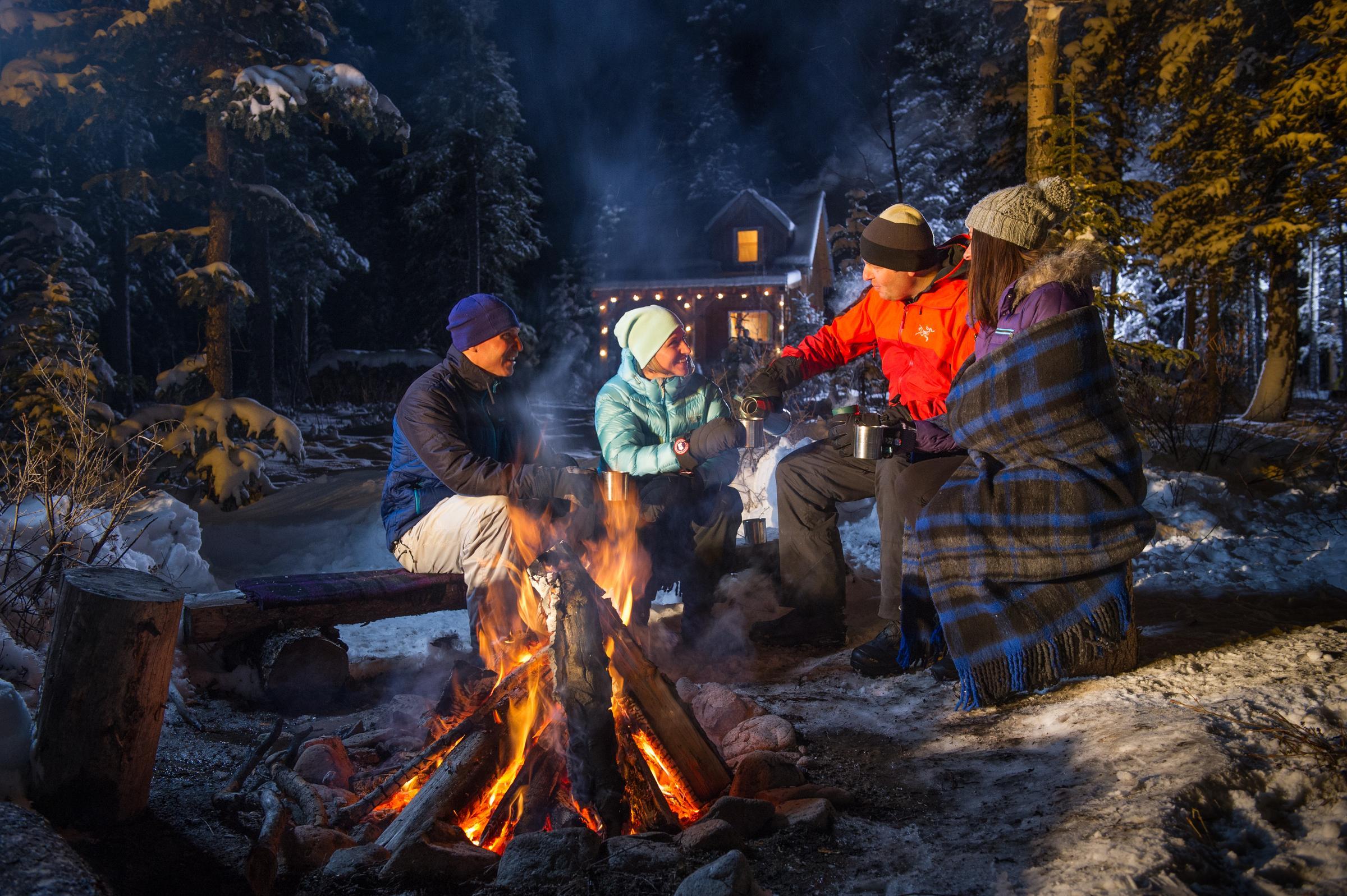
Wilderness Lodges
Yellowknife’s activity selection is compelling, but many visitors still structure the trip primarily around evening aurora viewing.
The Difference
Whitehorse generally suits travellers seeking a varied sightseeing vacation.
Yellowknife generally suits travellers seeking a specialised Northern Lights vacation with complementary northern activities.
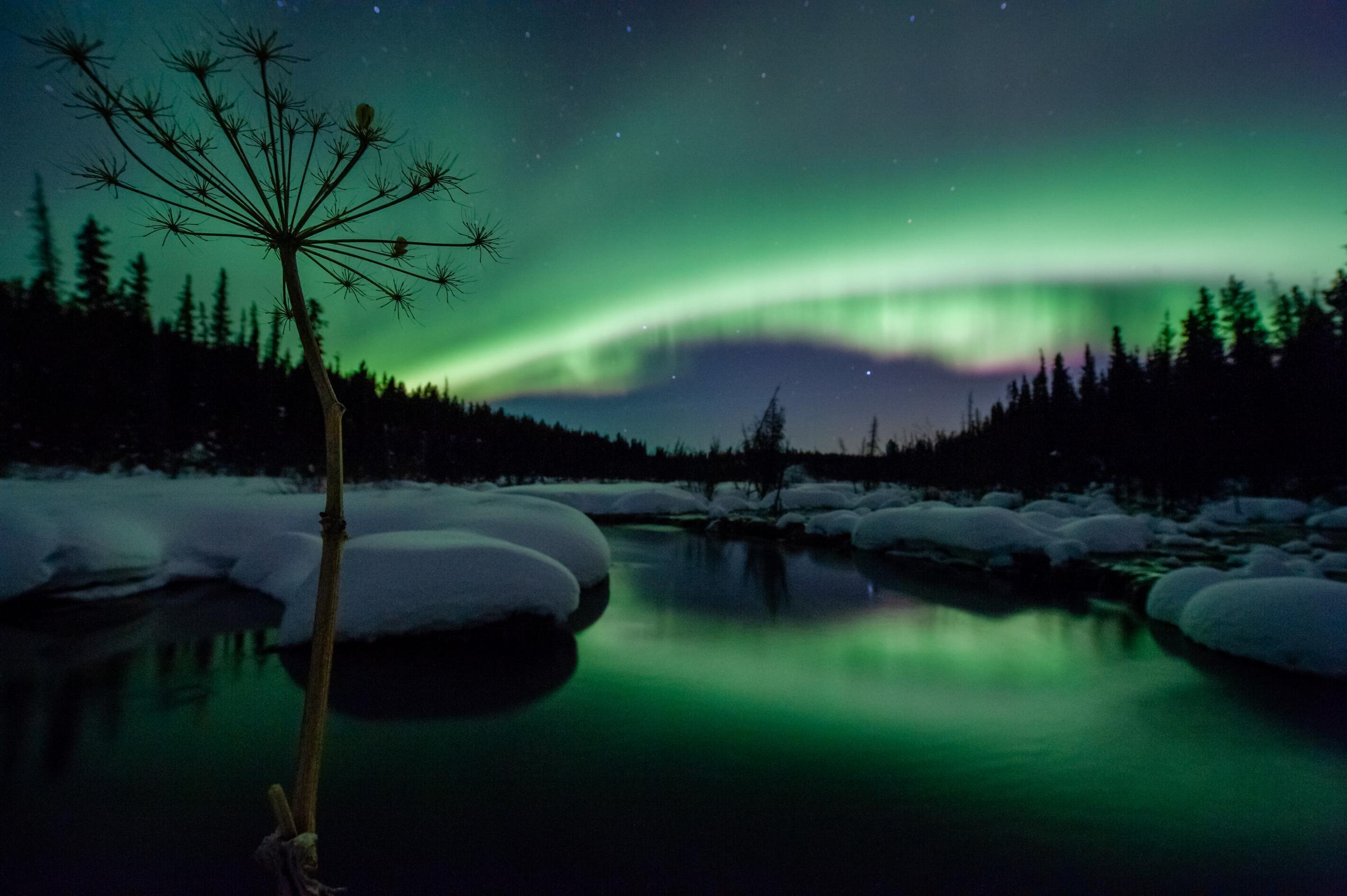
Which Destination Is Colder?
Both destinations can become extremely cold, and travellers must prepare for genuine northern winter conditions.
However, Whitehorse is generally milder than Yellowknife during the heart of winter.
Environment and Climate Change Canada’s 1991–2020 climate normals show an average January temperature of approximately −15.0°C in Whitehorse, compared with approximately −25.5°C at Yellowknife Airport. These are monthly averages rather than forecasts, and individual nights in either destination may be considerably colder.
Choose Whitehorse When:
- Cold tolerance is an important concern
- You are travelling with young children or seniors
- You want to spend more time sightseeing outdoors
- You prefer somewhat milder average conditions
- You are visiting the North for the first time
Choose Yellowknife When:
- You are comfortable preparing for deeper winter cold
- Aurora viewing is more important than temperature
- Your tour provides appropriate warming facilities
- You want the full subarctic winter experience
Regardless of destination, proper winter clothing remains essential.
Comparing Tour Styles
Whitehorse Aurora Tours
Whitehorse tours often use one designated viewing site outside the city.
A typical experience may include:
- Hotel or designated pickup
- Transportation outside Whitehorse
- A heated cabin or teepee
- Hot drinks and snacks
- Outdoor viewing
- Local guide assistance
- Guest photography when conditions permit
- Return transportation
This format gives guests a prepared place to wait while monitoring the northern horizon.
Yellowknife Aurora Tours
Yellowknife offers a particularly wide range of tour styles.
These may include:
- Fixed aurora lodges
- Heated cabin or teepees and teepees
- Mobile aurora hunting
- Remote wilderness lodges
- Indigenous cultural experiences
- Photography tours
- Private and group departures
NWT aurora lodges range from rustic road-accessible cabins to remote fly-in properties with accommodation and organised daytime activities.
Fixed Location or Aurora Hunting?
Neither approach guarantees success.
A Fixed Location Provides:
- Reliable shelter
- Washroom or cabin access, depending on the facility
- Less time spent driving
- More time preparing cameras
- A relaxed place to wait
A Mobile Tour May:
- Check more than one location
- Respond to local cloud patterns
- Offer different foregrounds for photography
- Spend more of the evening travelling
Cloud systems can cover large regions, so driving elsewhere does not always produce clear conditions.
Which Destination Is Better for Families?
Whitehorse May Be Better When:
- Your children need varied daytime activities
- You want a somewhat milder winter climate
- You prefer shorter travel distances between many attractions
- You want wildlife, Eclipse Nordic Hot Springs and dog sledding
- You need a flexible multi-day itinerary
- You want access to a heated viewing cabin
Yellowknife May Be Better When:
- Your children are comfortable with colder weather
- The family is strongly interested in the aurora
- You prefer a lodge-based experience
- You want Indigenous cultural or Great Slave Lake activities
- Everyone can manage several late nights
Families should consider more than sighting potential.
Aurora tours generally operate late at night, and consecutive evenings can be tiring for young children. Build daytime rest into the itinerary rather than scheduling a demanding excursion every morning.
Which Destination Is Better for Couples?
Choose Whitehorse for a Varied Romantic Getaway
A Whitehorse trip can combine:
- Private Northern Lights viewing
- Eclipse Nordic Hot Springs
- Mountain scenery
- Wildlife
- Scenic drives
- Dog sledding
- A custom Yukon itinerary
It may suit couples who want to celebrate an anniversary, honeymoon or proposal while experiencing more than the aurora.
Choose Yellowknife for an Aurora-Centred Escape
Yellowknife may suit couples who want:
- A remote aurora lodge
- Several nights focused on the sky
- Open northern landscapes
- A specialist photography experience
- A concentrated subarctic vacation
Both cities offer private experiences, but the atmosphere and supporting activities differ.
Whitehorse or Yellowknife: Which Is More Affordable?
Yellowknife’s extensive aurora industry creates many tour options, but flights, accommodation and remote-lodge stays may add substantially to the total.
Whitehorse packages can combine accommodation, airport transportation, city sightseeing and aurora tours, while optional activities can be selected according to budget.
Request complete quotations and compare what is actually included rather than comparing only the nightly aurora-tour price.
There is no permanent winner. Total cost depends on:
- Travel dates
- Flight availability
- Number of nights
- Hotel category
- Private or shared tours
- Included transportation
- Winter clothing
- Selected daytime activities
- Seasonal demand
Who Should Choose Whitehorse?
Whitehorse may be the better destination when:
- You want the Northern Lights and the Yukon
- You enjoy mountain scenery
- You want wildlife and outdoor activities
- You prefer a more varied itinerary
- You are travelling with children or seniors
- You want somewhat milder average winter temperatures
- You want accommodation and airport transfers arranged
- You prefer a heated cabin or teepee while waiting
- You want to visit Carcross, Emerald Lake or Kluane
- You are interested in autumn colours
- You do not want your entire trip to depend on the aurora
The Whitehorse Experience
Watch the Northern Lights at night, then spend the following day exploring wildlife, Eclipse Nordic Hot Springs, frozen lakes, historic landmarks or mountain scenery.
That balance is Whitehorse’s strongest advantage.
Who Should Choose Yellowknife?
Yellowknife may be the better destination when:
- Aurora viewing is your overwhelming priority
- You want the strongest internationally recognised aurora brand
- You are comfortable with colder winter conditions
- You prefer open horizons
- You want many specialised aurora-tour options
- You are interested in remote lodges
- You want Indigenous cultural experiences
- You want Great Slave Lake activities
- You prefer an itinerary built primarily around the night sky
The Yellowknife Experience
Plan several nights with a dedicated aurora operator and make the Northern Lights the central focus of the journey.
That specialisation is Yellowknife’s strongest advantage.
Our Honest Recommendation
Choose Yellowknife for a Pure Aurora Mission
When the only question is, “Which destination is most specialised in Northern Lights tourism?” Yellowknife has the stronger reputation.
Its location beneath the auroral oval, open sky and extensive collection of lodges and tour operators make it a natural choice for a highly focused aurora trip.
Choose Whitehorse for the Better All-Round Vacation
When the question is, “Which destination gives me a more complete northern Canadian experience?” Whitehorse may be the better choice.
You still receive multiple opportunities to see the Northern Lights, but the success of the entire vacation does not depend on one natural phenomenon.
Even when clouds affect an evening, your trip can still include:
- Yukon wildlife
- Dog sledding
- Eclipse Nordic Hot Springs
- Ice fishing
- Mountain scenery
- Historic Whitehorse
- Carcross and Emerald Lake
- Kluane National Park
Frequently Asked Questions
Yellowknife has the stronger international reputation as a specialised aurora destination and is located beneath the auroral oval.
Whitehorse also offers excellent aurora viewing and may be better for travellers who want mountains, wildlife, Eclipse Nordic Hot Springs and scenic Yukon tours as part of the vacation.
Yellowknife promotes up to 240 active aurora nights annually across the Northwest Territories and has favourable geography for aurora viewing. However, cloud cover and weather still affect what visitors can see from the ground.
Whitehorse has a long viewing season from mid-August to mid-April. Booking several nights in either destination is more important than relying on a single evening.
On average, yes, particularly during midwinter.
The 1991–2020 average January temperature was approximately −15.0°C in Whitehorse and −25.5°C at Yellowknife Airport. Individual cold periods can be much colder in both cities.
Whitehorse offers mountains, forests, rivers, lakes and varied southern Yukon landscapes.
Yellowknife offers broad skies, Canadian Shield terrain and the enormous Great Slave Lake.
The answer depends on the kind of landscape you prefer.
Whitehorse generally offers a broader range of easily combined scenic activities, including wildlife, Eclipse Nordic Hot Springs, dog sledding, Carcross, Emerald Lake and Kluane.
Yellowknife offers excellent northern activities as well, including Great Slave Lake, ice roads, Indigenous cultural experiences, dog sledding and snowmobiling.
Both offer fall aurora viewing.
Whitehorse may appeal to travellers seeking mountain landscapes, colourful forests and scenic road trips. Yellowknife may appeal to photographers seeking open water, lake reflections and broad northern skies.
Whitehorse may be more comfortable for families seeking milder average temperatures and varied daytime activities.
Yellowknife can also work well, especially with a lodge-based package, but families should prepare carefully for cold temperatures and repeated late nights.
Choose Whitehorse for mountain, forest and cabin foregrounds.
Choose Yellowknife for open horizons, lake reflections and expansive sky compositions.
Strong aurora activity can be photographed beautifully in either destination.
Strong displays may be visible from both cities.
Travelling outside the brighter urban area generally provides darker conditions and a clearer viewing environment.
Visiting both is possible, but there is no direct road connection between the cities, and air travel will generally involve additional planning and connections.
For most travellers, choosing one destination and staying for several nights produces a simpler and more relaxed trip.
Plan at least three or four viewing nights when seeing the Northern Lights is a major priority.
Additional nights provide more opportunities around cloud cover and changing weather but cannot guarantee a sighting.
The Final Decision
Choose Yellowknife when the aurora is almost everything.
Choose Whitehorse when the aurora is the highlight of a larger Yukon adventure.
Let’s Plan Your Yukon Adventure
Have questions about Northern Lights tours in Whitehorse, package availability or when to visit?
Planning your first trip to Northern Canada and looking for a fun-filled Yukon itinerary, our local team is here to help. Tell us your preferred travel dates, group size and the activities that interest you. We will recommend a suitable package and help you plan the next step.
Thank you!
We’ve received your trip details and will get back to you at the contact method you prefer as soon as possible.