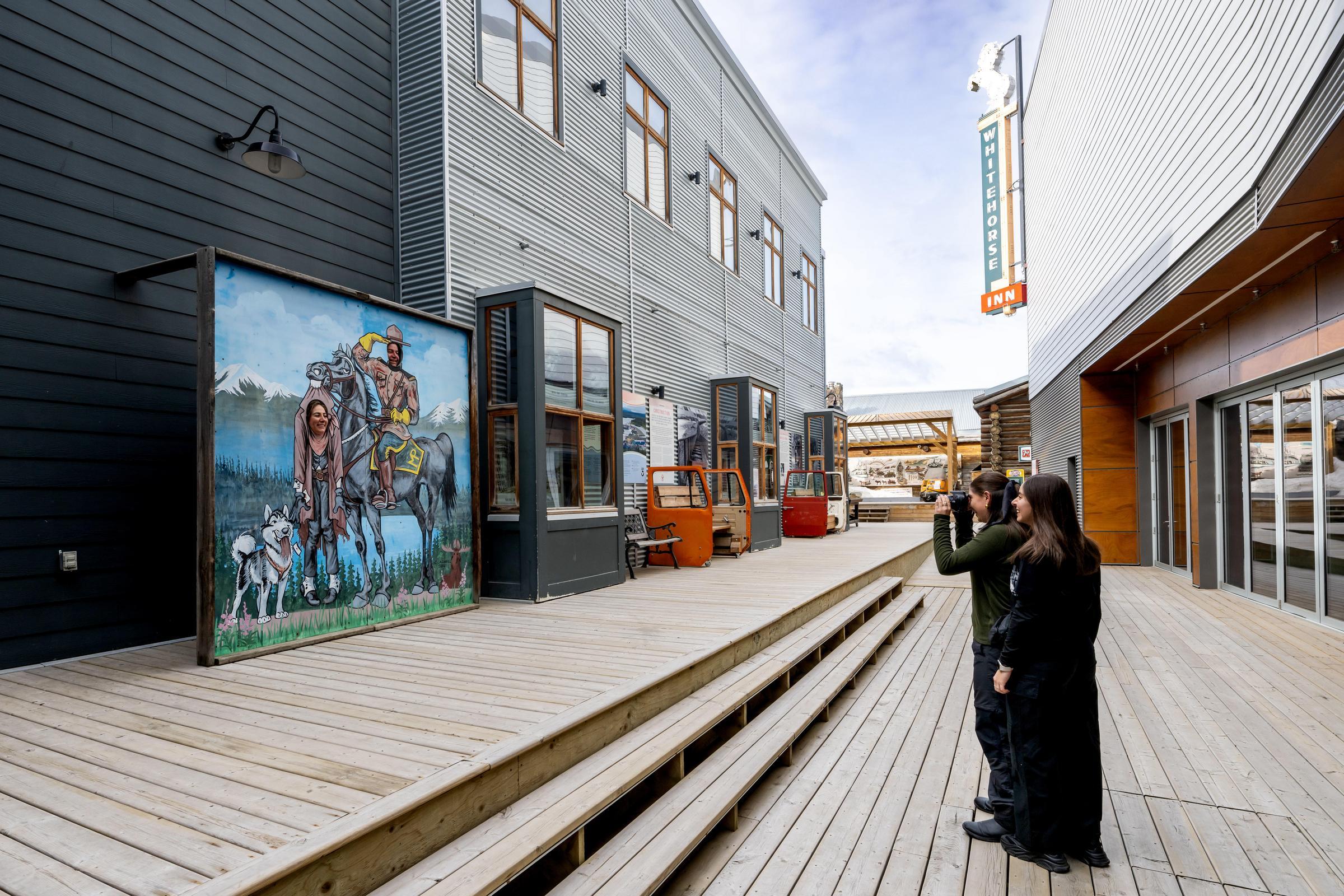

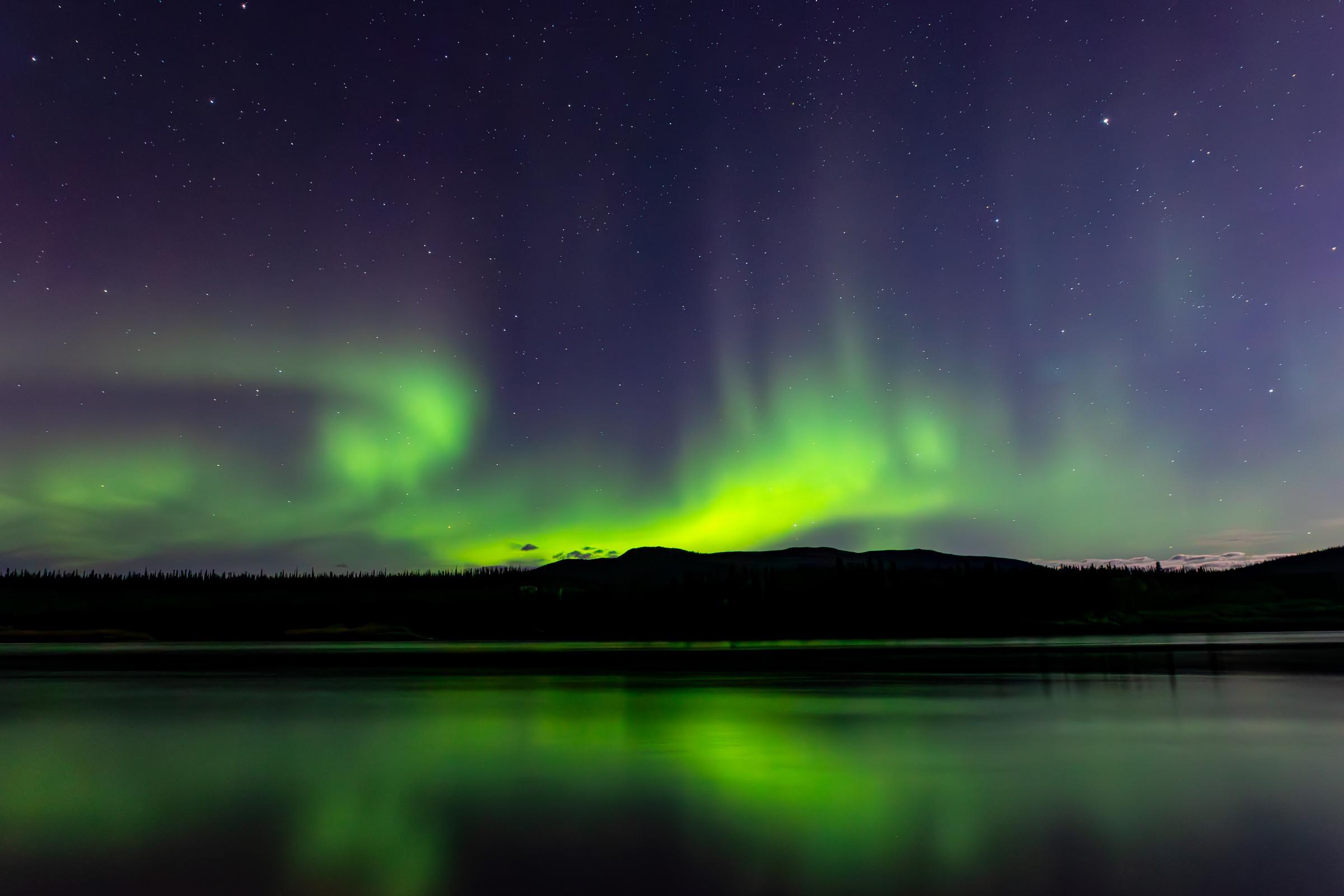
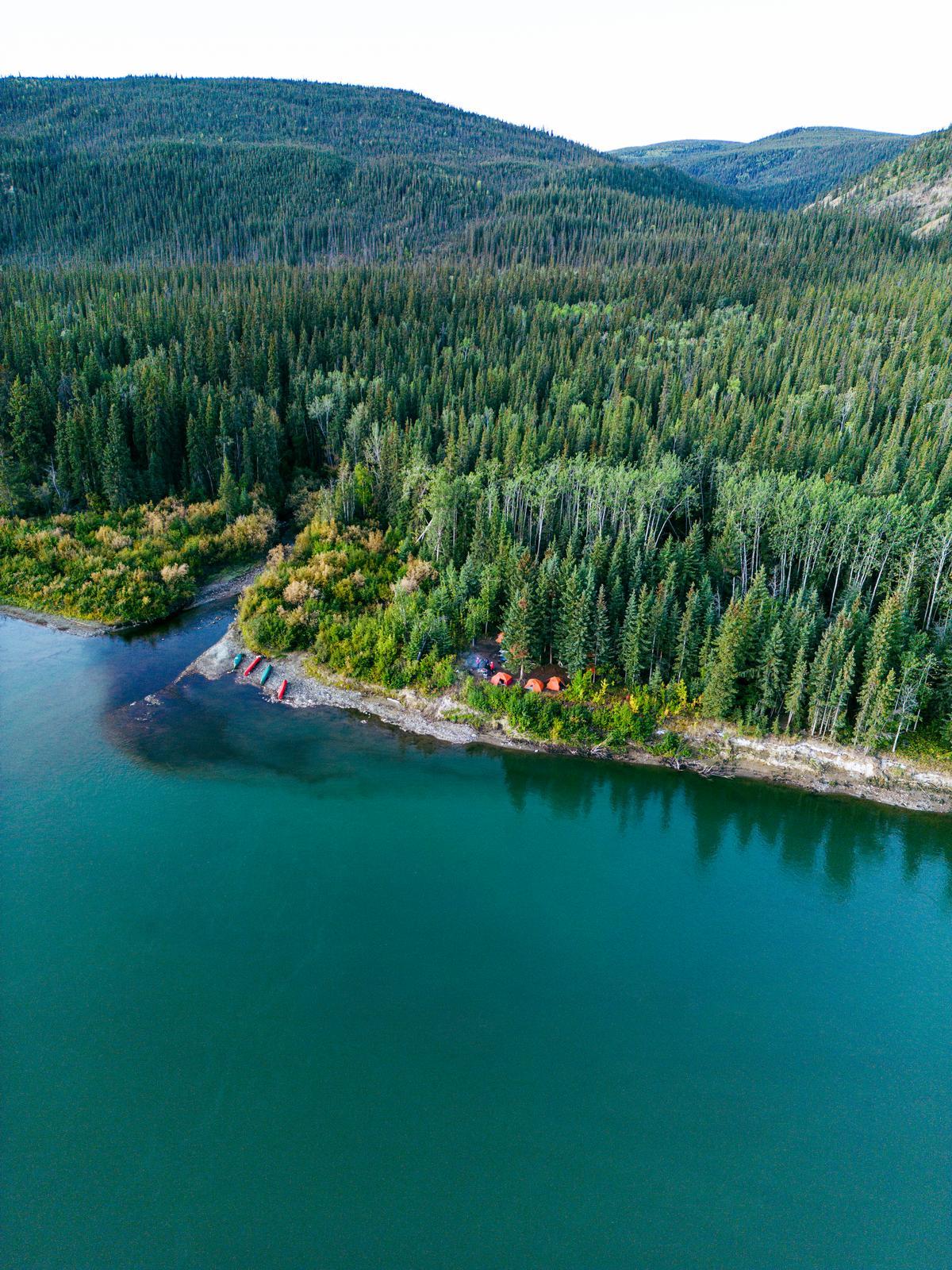
During the day, explore mountains, lakes, rivers and colourful northern landscapes beneath long hours of sunlight. As darkness returns in August, stay awake under the Yukon sky for the possibility of seeing the Aurora Borealis.
Summer in Yukon generally runs from approximately June 21 to September 21, but reliable Northern Lights viewing does not occur throughout this entire period.
June and July are dominated by the Midnight Sun and exceptionally long daylight hours. The sky gradually becomes darker again in August, allowing the regular aurora-viewing season to return around the middle of the month.
For travellers who want to see the Northern Lights but do not enjoy extreme winter cold, mid-August through September offers one of the most comfortable times to visit Whitehorse.
Recommended aurora travel period: mid-August to September 21
Can You See the Northern Lights During Summer?
Yes—but Not Throughout the Entire Summer
The Aurora Borealis can be active at any time of year. However, the sky must become sufficiently dark before the lights can be seen from the ground.
Whitehorse experiences very long daylight hours around the summer solstice. During June and much of July, the night sky generally remains too bright for dependable aurora viewing.
Darkness gradually returns during August.
By mid- to late August, travellers can once again begin seeing the Northern Lights regularly when cloud cover, solar activity and local weather conditions are favourable.
June 21 to Late July
Enjoy the Midnight Sun, long days and summer activities.
The sky is usually too bright for reliable Northern Lights viewing.
Early August
The nights begin becoming darker.
Occasional aurora viewing may be possible, but darkness remains limited and sightings should not be treated as dependable.
Mid-August to September 21
The regular aurora-viewing season returns.
This is the best part of summer for combining Northern Lights viewing with milder temperatures, open lakes, autumn colours and Yukon sightseeing.
August 1 to August 14
The Transition Back to Darkness
During early August, Whitehorse begins moving away from the brightest part of summer.
The nights gradually lengthen, and the possibility of seeing the Northern Lights begins to return. However, the darkest portion of the night may still be brief.
Aurora sightings may occur, particularly later in this period, but tour availability and viewing conditions vary.
Travellers visiting during early August should choose Yukon primarily for its landscapes and daytime experiences, with the Northern Lights treated as a possible bonus.
Mid-August to August 31
The Summer Aurora Season Begins
Around the middle of August, Whitehorse becomes one of Canada’s earliest accessible destinations where regular aurora viewing resumes after the bright summer period.
This is an excellent time for travellers who want:
- Northern Lights viewing
- Milder nighttime conditions
- Open lakes and rivers
- Potential aurora reflections
- Late-summer landscapes
- Outdoor daytime activities
- Scenic road trips
- Photography
- Fewer extreme winter conditions
August nights can still become cold, especially while guests remain outside for long periods. Warm layers remain necessary.
September 1 to September 21
Darker Nights and Yukon Autumn Colours
September provides longer periods of darkness and increasingly favourable conditions for Northern Lights viewing.
The landscape around Whitehorse also begins changing colour, creating opportunities to photograph the aurora above golden forests, mountains and open water.
This period may offer:
- More hours of darkness
- Regular aurora-viewing tours
- Colourful autumn landscapes
- Aurora reflections on unfrozen lakes
- Cooler but manageable temperatures
- Scenic day tours
- Wildlife viewing
- Hiking and photography
- Fewer crowds than peak summer
September weather can change quickly. Frost, rain, wind and early snow are all possible, so visitors should pack for several conditions.
Why Choose a Summer Aurora Trip?
Avoid the Deepest Winter Cold
Yukon winters offer a classic northern experience, but temperatures can become extremely cold.
Late summer and early autumn are more comfortable for travellers who:
- Are not accustomed to severe winter weather
- Prefer lighter clothing
- Want to spend more time outdoors
- Are travelling with children
- Are travelling with seniors
- Have limited cold tolerance
- Want easier daytime sightseeing
- Prefer open roads and unfrozen landscapes
Summer Aurora guests still need warm evening layers, but conditions are generally less demanding than in December, January or February.
Experience Aurora Reflections
During winter, Yukon’s lakes are frozen and covered by snow.
In August and September, many lakes remain open. When the water is calm and the Northern Lights are active, the colours may reflect across the surface.
These conditions can create memorable photographs combining:
- Aurora Borealis
- Open water
- Mountains
- Autumn trees
- Reflections
- Stars
- Yukon wilderness
Reflections depend on the viewing location, wind, cloud cover and strength of the aurora and cannot be guaranteed.
Enjoy More Daylight for Exploring
Late-summer days remain long enough for sightseeing and outdoor activities.
Travellers can explore during the day, rest in the evening and prepare for aurora viewing later at night.
Depending on your dates and interests, your itinerary may include:
- Whitehorse city tour
- Yukon Wildlife Preserve
- Eclipse Nordic Hot Springs
- Carcross and Emerald Lake
- Kluane National Park
- Hiking
- Canoeing
- Fishing
- Wildlife viewing
- Scenic photography
- Museums and cultural attractions
Photograph Yukon’s Autumn Colours
Fall arrives early in Canada’s North.
By late August and September, parts of the Yukon landscape begin changing from green to gold, yellow, orange and red.
This creates a distinctive photography season combining:
- Autumn foliage
- Mountain scenery
- Northern Lights
- Open lakes
- Early morning mist
- Wildlife
- Long sunsets
- Darkening night skies
The exact timing and intensity of the colours vary each year.
Travel Before Winter Conditions Arrive
Late summer generally offers easier road conditions than midwinter.
This may make it more practical to explore destinations such as:
- Carcross
- Emerald Lake
- Bennett Lake
- Haines Junction
- Kathleen Lake
- Kluane region
- Southern Lakes
- Scenic sections of the Alaska Highway
Weather and road conditions can still change quickly, particularly later in September.
Who Is a Summer Aurora Trip For?
A late-summer Northern Lights trip may be a good fit when:
- You want to see the aurora without extreme winter cold
- You prefer autumn scenery to snow-covered landscapes
- You want to combine aurora viewing with hiking or road trips
- You are travelling with children or seniors
- You want open-water aurora photography
- You prefer lighter winter clothing
- You want longer daylight hours for sightseeing
- You do not require dog sledding or ice fishing
- You are planning a romantic or photography-focused trip
- You want to visit Whitehorse before the main winter season
Your Summer Aurora Experience
Pickup in Whitehorse
Your evening begins at the confirmed pickup location in Whitehorse.
Pickup arrangements depend on your accommodation, selected tour, group size and transportation requirements.
Please be ready at the confirmed time. Aurora tours operate late at night, and departure times may vary as the hours of darkness change throughout August and September.
Travel Beyond the Brighter City Lights
We will travel outside central Whitehorse to our dedicated aurora-viewing location.
Leaving the city provides darker surroundings and a clearer view towards the northern horizon.
Relax Inside Our Heated Cabin
Although late-summer conditions are milder than winter, Yukon nights can still become cold.
Guests can wait inside our rustic heated cabin, enjoy hot drinks and snacks, speak with their guides and prepare their cameras.
Watch the Yukon Sky
When aurora activity becomes visible, step outside to experience the display.
The Northern Lights may appear as:
- A pale arc
- A soft green band
- Moving curtains
- Vertical pillars
- Pink or purple edges
- A brighter display extending across the sky
Every evening is different.
Photography Assistance
When the Northern Lights appear and conditions permit, our team can help take photographs of guests under the aurora.
The number and quality of photographs depend on:
- Aurora strength
- Darkness
- Cloud cover
- Group size
- Wind
- Available time
- Camera conditions
Return to Whitehorse
At the end of the scheduled viewing period, transportation will be provided back to the confirmed Whitehorse drop-off location.
What May Be Included?
Your confirmed Summer Aurora experience may include:
- Pickup from a confirmed Whitehorse location
- Return transportation
- Northern Lights viewing outside the city
- Access to our rustic heated cabin
- Hot drinks, water and light snacks
- A local guide
- Information about the Aurora Borealis
- Outdoor viewing area
- Photography assistance
- Complimentary guest photographs when conditions permit
- A campfire when weather, fire restrictions and site conditions allow
Exact inclusions will be stated in your quotation and booking confirmation.
What Is Not Included?
Unless specifically stated in your package, the following are not included:
- Flights to and from Whitehorse
- Accommodation
- Meals
- Gratuities
- Optional daytime activities
- Personal expenses
- Travel or medical insurance
- Photography equipment
- Transportation outside the confirmed itinerary
- Charges caused by flight delays or schedule changes
- Applicable taxes
Summer Activities to Add to Your Trip
Whitehorse City Tour
Discover Yukon’s capital, including the Yukon River, historic downtown buildings, local landmarks and cultural attractions.
Yukon Wildlife Preserve
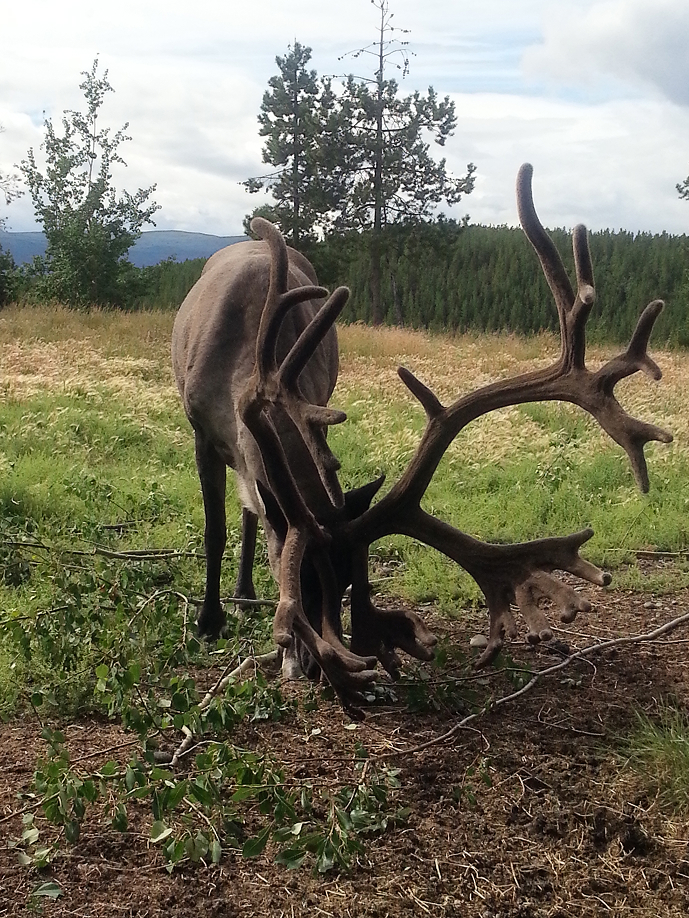
See northern animals such as bison, caribou, muskoxen, mountain goats and Arctic foxes in spacious habitats.
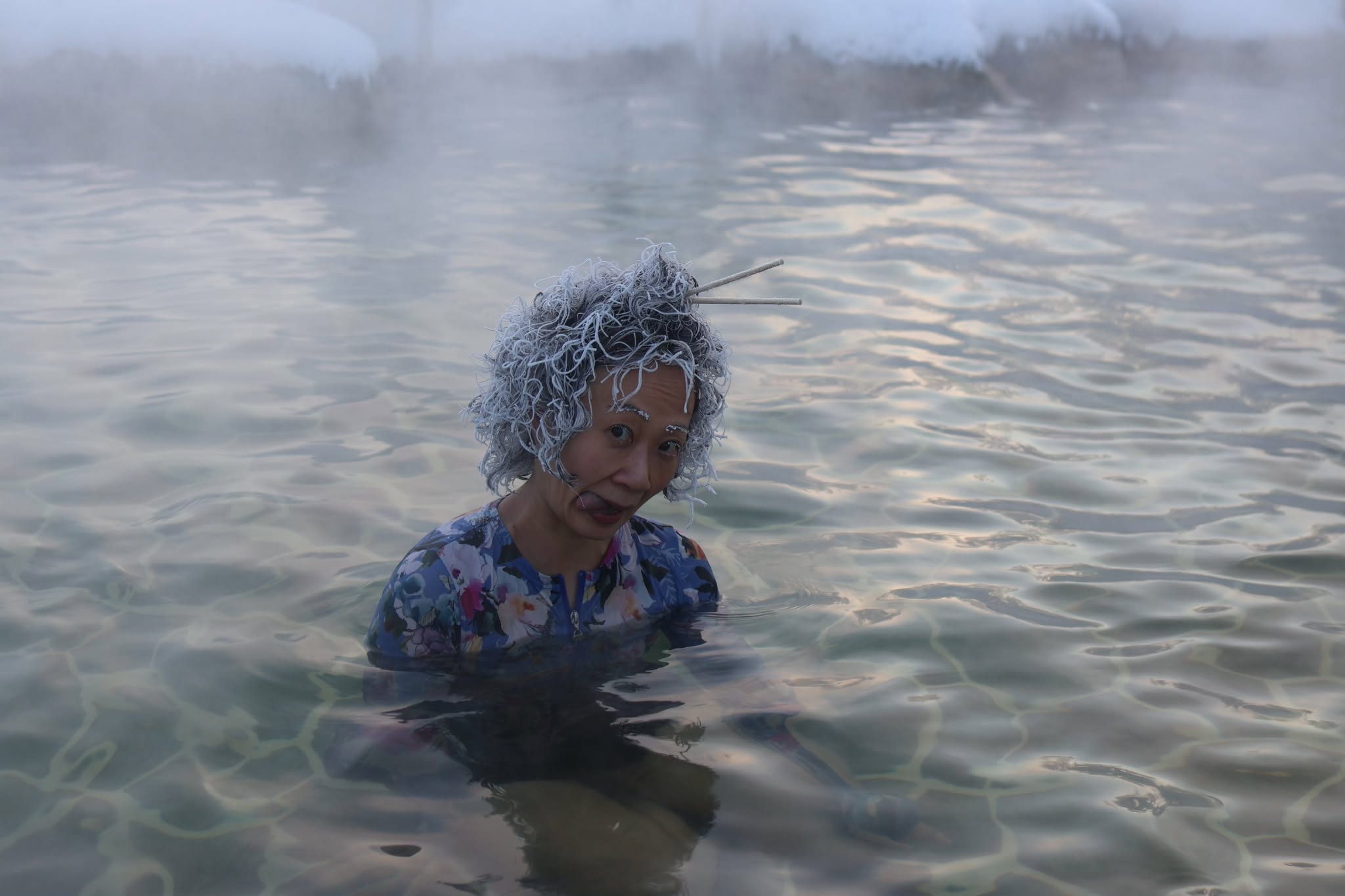
Eclipse Nordic Hot Springs
Relax in outdoor pools and Nordic-inspired wellness facilities surrounded by the Yukon landscape.
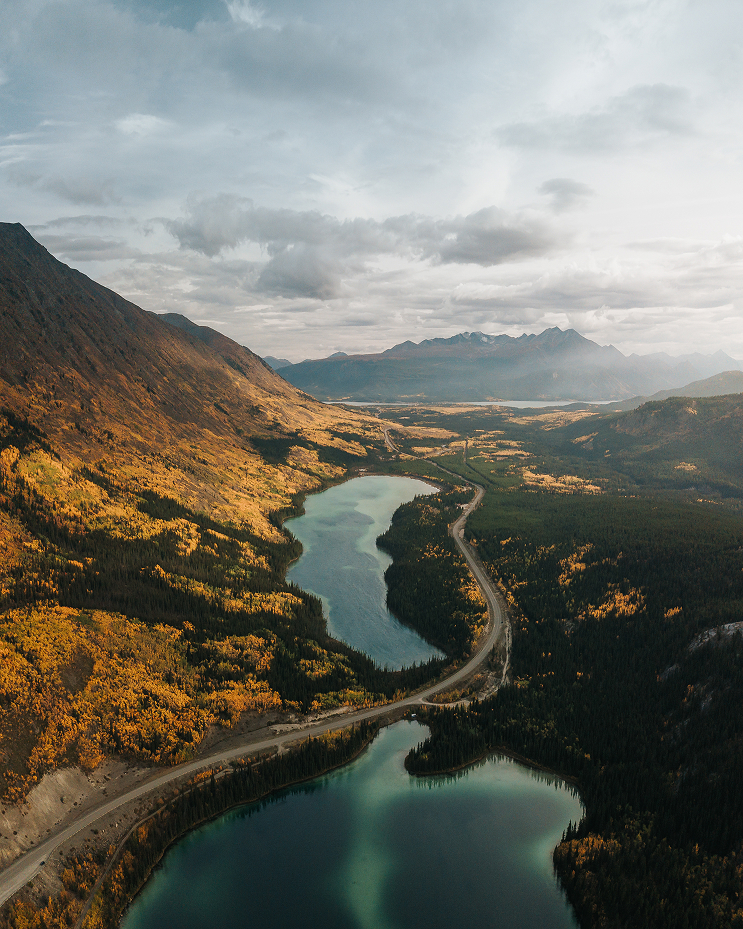
Carcross and Emerald Lake
Visit one of southern Yukon’s most photographed lakes and explore the historic community of Carcross.
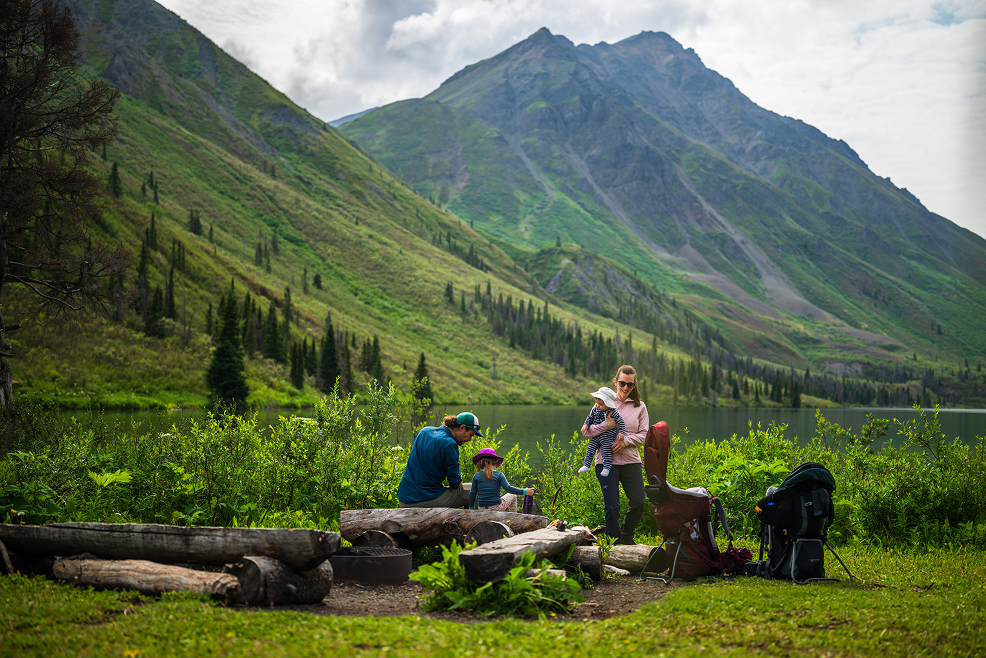
Kluane National Park Region
Travel towards Haines Junction, Kathleen Lake and the immense mountain landscapes of the Kluane region.
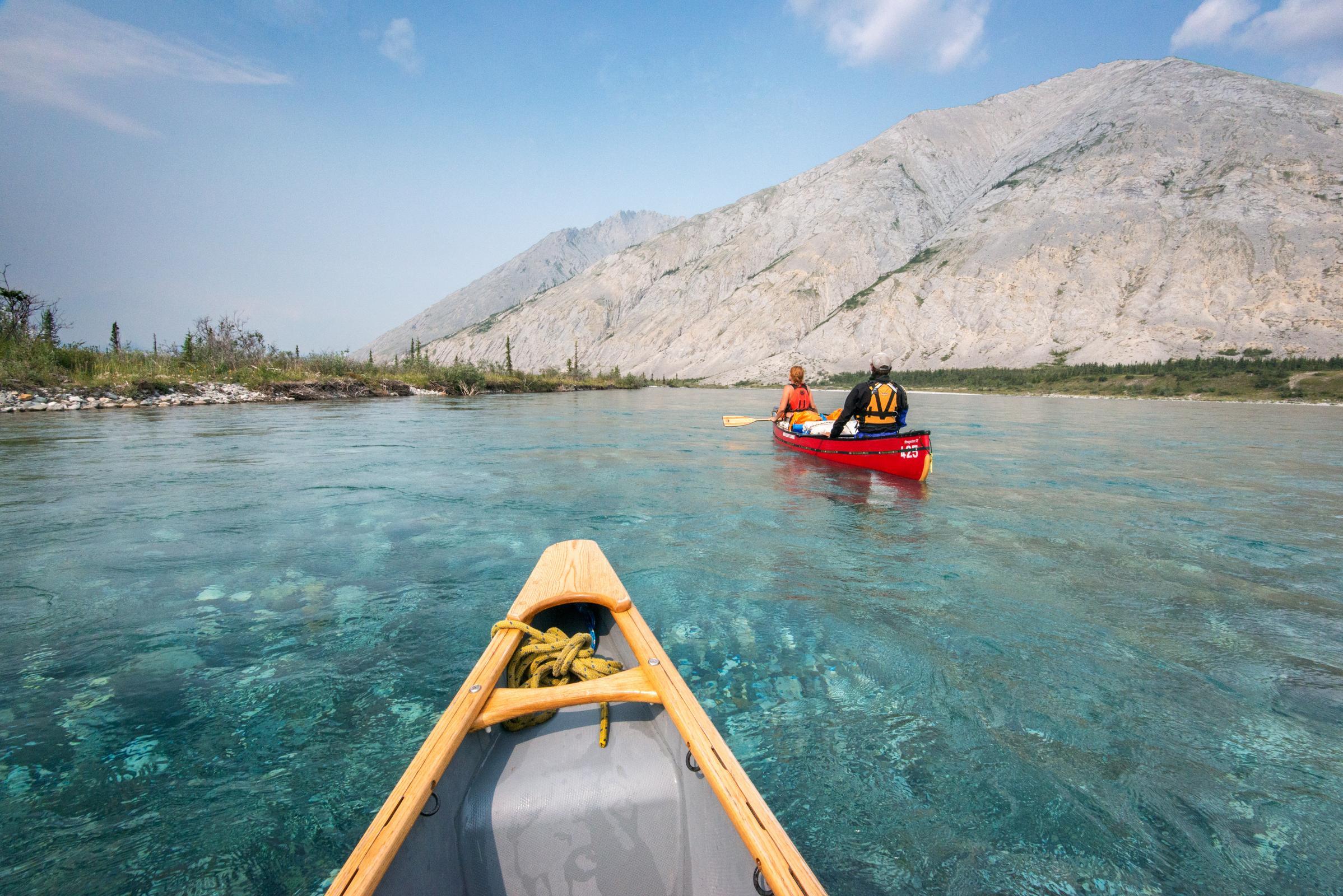
Canoeing and Paddling
Experience the Yukon River or nearby lakes when weather, water conditions and operator availability permit.
Summer Aurora or Winter Aurora?
Choose Summer Aurora When You Want:
- Milder temperatures
- Open lakes
- Potential aurora reflections
- Autumn colours
- Longer daytime sightseeing hours
- Hiking and scenic road trips
- Easier road conditions
- Less bulky clothing
- A trip suitable for guests with lower cold tolerance
Choose Winter Aurora When You Want:
- Longer periods of darkness
- Snow-covered landscapes
- Dog sledding
- Ice fishing
- Snowmobiling
- Snowshoeing
- Frozen lakes
- A classic northern-winter experience
- More hours available for viewing each night
Summer Aurora in Whitehorse or Yellowknife?
Both Whitehorse and Yellowknife begin receiving sufficient darkness for regular aurora viewing around mid-August.
Yellowknife has a stronger international reputation as a specialised Northern Lights destination. Whitehorse offers a different type of late-summer vacation.
Choose Whitehorse When You Want:
- Northern Lights and Yukon mountain scenery
- Autumn forests and open lakes
- Wildlife and hot springs
- Carcross and Emerald Lake
- Kluane-region day trips
- Hiking and outdoor sightseeing
- A heated cabin during aurora viewing
- A varied Yukon itinerary
Consider Yellowknife When You Want:
- A trip focused primarily on the aurora
- Open Northwest Territories landscapes
- Great Slave Lake
- A large selection of specialised aurora operators
- Lodge-based or mobile aurora experiences
Frequently Asked Questions
Reliable Northern Lights viewing is generally not possible in June because the sky remains bright for most or all of the night.
June is better suited to Midnight Sun activities, sightseeing, hiking and road trips.
Aurora activity may occur above the atmosphere, but the sky is normally too bright for regular viewing during July.
Do not plan a July trip primarily around seeing the Northern Lights.
Yes, particularly from around the middle of August onward.
The nights gradually become darker, allowing regular aurora viewing to resume. The exact timing varies according to the date, weather and local conditions.
Yes.
September offers darker nights, autumn colours and generally milder conditions than midwinter. It is one of the most attractive times for a Yukon aurora and photography trip.
Whitehorse is one of Canada’s earliest accessible destinations where regular aurora viewing returns after the bright summer period.
However, other northern destinations, including Yellowknife, also begin their late-summer viewing seasons around mid-August.
Summer Aurora refers to Northern Lights viewing during the latter part of the northern summer, mainly from mid-August through September.
It does not mean that the lights are regularly visible throughout June and July.
It may be a better choice than winter.
August and September are generally milder than December through February. However, late-night temperatures can still feel cold, so warm layered clothing is required.
No.
No tour operator can guarantee an aurora sighting because visibility depends on natural and weather conditions.
Consider at least three viewing nights when seeing the Northern Lights is an important part of your trip.
Several nights provide more opportunities around cloud cover and changing weather.
The aurora does not follow a fixed schedule.
In August, darkness arrives later than in winter, so tours may begin or remain out later. By September, the useful viewing period becomes longer.
Exact tour times will be confirmed according to the date and operating schedule.
A strong display may be visibly green and colourful.
A weaker display can initially look pale, white or greyish. Cameras are more sensitive to low light and may record stronger colour than the human eye.
It may be possible when the water is open and calm and the aurora is visible from a suitable location.
Wind, waves, cloud cover, access and the direction of the display affect reflection photography.
Mosquitoes and other insects may still be present during warmer periods, particularly near water and vegetation.
Bring insect repellent and suitable clothing. Insect activity usually decreases as temperatures become cooler.
Yes.
Guests can wait inside our rustic heated cabin and step outside when aurora activity appears.
When the Northern Lights appear and conditions permit, complimentary guest photographs may be taken.
The number and quality of photographs depend on darkness, aurora activity, weather, group size and available time.
Most traditional snow and ice activities are not available during the Summer Aurora season.
Dog sledding on snow, snowmobiling and ice fishing generally require winter conditions.
Summer and autumn alternatives may include hiking, wildlife viewing, canoeing, fishing, scenic road trips and cultural attractions.
Let’s Plan Your Yukon Adventure
Have questions about Northern Lights tours in Whitehorse, package availability or when to visit?
Planning your first trip to Northern Canada and looking for a fun-filled Yukon itinerary, our local team is here to help. Tell us your preferred travel dates, group size and the activities that interest you. We will recommend a suitable package and help you plan the next step.
Thank you!
We’ve received your trip details and will get back to you at the contact method you prefer as soon as possible.