

Plan Your Whitehorse & Yukon Northern Lights Trip

Plan Your Whitehorse & Yukon Northern Lights Trip

Plan your Northern Lights trip to Whitehorse, Yukon. Learn when to visit, what to wear, how to get here and which Yukon itinerary suits you.

Start Planning Your Trip

Use the sections below to find the information you need.

Northern Lights in Whitehorse

Learn where and how to experience the Aurora Borealis outside the brighter city lights.

Explore Northern Lights in Whitehorse

Best Time to Visit

Compare autumn, winter, spring and summer in Yukon.

Find the Best Time to Visit

What to Wear

Prepare for changing weather and cold evenings beneath the northern sky.

View the Yukon Packing Guide

Getting to Whitehorse

Review air, road and local transportation options.

Plan Your Journey to Whitehorse

Yukon Itineraries

Choose a short aurora getaway or a longer Yukon adventure.

Compare Yukon Itineraries

Northern Lights in Whitehorse

See the Aurora Borealis Outside Yukon’s Capital

Whitehorse is one of Canada’s most practical bases for a Northern Lights vacation.

Visitors can stay in a territorial capital with hotels, restaurants and visitor services, then travel a short distance beyond the brighter city lights for aurora viewing.

Yukon’s established viewing season generally runs from mid-August to mid-April. Dark, clear nights between approximately 10:00 p.m. and 3:00 a.m. commonly provide the most useful viewing window.

A sufficiently strong aurora may be visible from within Whitehorse, but streetlights, buildings and other artificial light can make weaker displays more difficult to see.

Travelling outside the city generally provides:

  • Darker surroundings
  • A clearer northern horizon
  • Fewer buildings and obstructions
  • Better conditions for night photography
  • A quieter northern atmosphere

Our Aurora-Viewing Experience

Yukon Home and Tour takes guests from Whitehorse to a dedicated aurora-viewing site outside the city.

While waiting for the sky to become active, guests can relax inside our rustic heated cabin or teepee, enjoy hot drinks and snacks and speak with their guides.

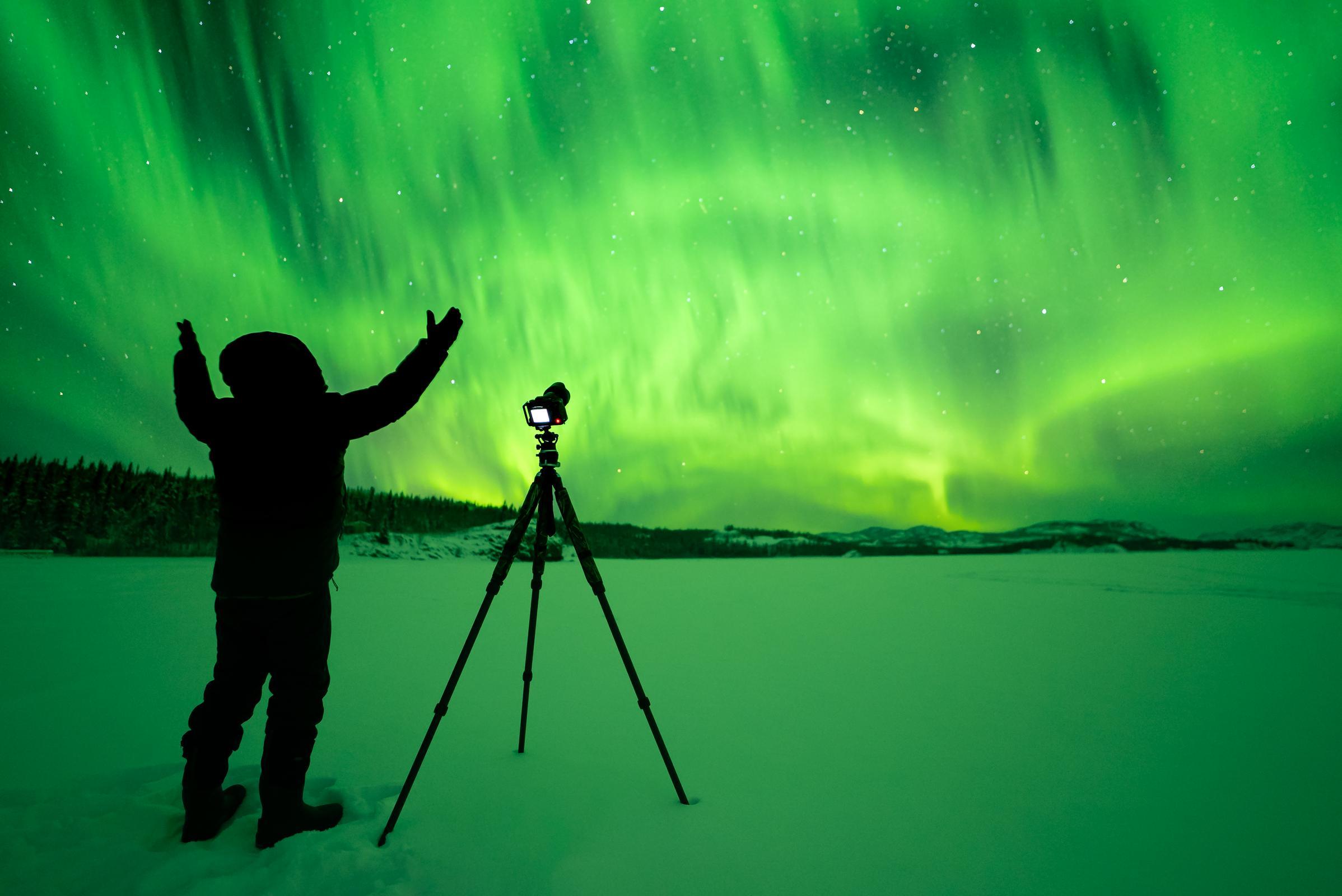
When the Northern Lights appear, step outside to watch and photograph the display beneath the open Yukon sky.

Your experience may include:

  • Transportation from a confirmed Whitehorse pickup point
  • Access to a heated viewing cabin
  • An outdoor viewing area
  • Hot drinks, water and snacks
  • Information about the Aurora Borealis
  • General photography assistance
  • Complimentary guest photographs when conditions permit
  • Return transportation to Whitehorse

Can the Northern Lights Be Guaranteed?

No.

Visibility depends on:

  • Solar and geomagnetic activity
  • Cloud cover
  • Darkness
  • Weather
  • Light pollution
  • The position and strength of the display

Clouds can block the aurora even when activity is occurring above them.

No responsible tour operator can guarantee that the Northern Lights will appear on a specific evening.

How Many Viewing Nights Should You Book?

Travellers whose main priority is seeing the aurora should consider several viewing nights.

2-Night Northern Lights Package

A short Whitehorse introduction with two aurora-viewing evenings, accommodation, airport transfers and a guided city tour.

Explore the 2-Night Package
2-Night Northern Lights Package

3-Night Northern Lights Package

A balanced Yukon getaway with three viewing opportunities and time for optional daytime activities.

Explore the 3-Night Package
3-Night Northern Lights Package

4-Night Northern Lights Package

A more complete Yukon vacation with four aurora evenings and time for several winter or scenic experiences.

Explore the 4-Night Package
4-Night Northern Lights Package

Private Northern Lights Tour

Reserve an aurora experience for your own family, friends or travel companions.

Explore Private Tours
Private Northern Lights Tour

Custom Yukon Aurora Package

Combine your preferred number of viewing nights with accommodation, transportation and selected Yukon activities.

Build a Custom Yukon Package
Custom Yukon Aurora Package

Best Time to Visit Whitehorse and Yukon

There Is a Yukon Season for Every Type of Traveller

The best time to visit depends on what you want to experience.

Visit during autumn or winter when seeing the Northern Lights is your priority. Choose summer for long daylight hours, hiking and road trips. Spring and fall are quieter transitional seasons with changing landscapes and more variable activity availability.

Travel Yukon identifies mid-August to mid-April as the principal Northern Lights season. Summer, from approximately early June to mid-August, is better suited to road trips, sightseeing, wildlife viewing and outdoor adventures.

01

Mid-August to September

Best for Autumn Colours and Early-Season Aurora Viewing

Late summer and early autumn provide darker nights without the deepest winter cold.

This period may offer:

  • Northern Lights viewing
  • Colourful fall landscapes
  • Open lakes and rivers
  • Possible aurora reflections
  • Scenic road trips
  • Hiking and photography
  • Easier daytime walking
  • Longer daylight than midwinter

Fall colours arrive quickly in Yukon and may peak at different times depending on latitude and local conditions. Around Whitehorse, colourful landscapes are commonly associated with late August and September.

Some summer attractions begin reducing their schedules during September, while winter activities may not yet have sufficient snow or ice.

This season is best for travellers who want the aurora and Yukon scenery but do not require a complete winter experience.

02

October and November bring colder weather, longer nights and the gradual transition into winter.

Depending on the year, visitors may encounter:

  • Early snow
  • Frozen or partially frozen landscapes
  • Longer aurora-viewing hours
  • Fewer visitors
  • Reduced seasonal-tour availability
  • Changing road and trail conditions

This period can be beautiful, but it requires flexible planning.

Some summer activities may have ended while dog sledding, snowmobiling and ice fishing may not yet be operating. Availability depends on snowfall, ice thickness and individual providers.

03

Midwinter offers long nights, snow-covered scenery and many of Yukon’s best-known cold-weather activities.

A winter itinerary may include:

  • Northern Lights viewing
  • Dog sledding
  • Ice fishing
  • Snowshoeing
  • Snowmobiling
  • Yukon Wildlife Preserve
  • Eclipse Nordic Hot Springs
  • Cross-country skiing
  • Winter photography

Snow typically covers much of the territory from late October into approximately mid-April, although conditions vary by region and year.

December through February can also bring extremely cold temperatures. Proper clothing, realistic scheduling and adequate daytime rest are essential.

This season suits visitors who want the full northern-winter experience and are comfortable preparing for cold conditions.

04

Late winter provides more daytime light while the nights remain dark enough for aurora viewing.

This period may offer:

  • Northern Lights tours
  • Snow-covered landscapes
  • Dog sledding
  • Ice fishing
  • Snowmobiling
  • Snowshoeing
  • Longer sightseeing days
  • More comfortable daytime activity schedules

Many travellers appreciate being able to enjoy winter activities during the brighter part of the day and continue aurora viewing at night.

Seasonal activities remain dependent on snow, ice, weather and operator schedules.

05

Spring is a period of rapid change in Yukon.

Snow begins to melt, rivers and lakes change, trails may become wet and some winter roads or activities close for the season.

Spring visitors may experience:

  • Increasing daylight
  • Returning migratory birds
  • Changing river conditions
  • Quieter communities
  • Reduced tour schedules
  • Unpredictable weather

This is generally not the strongest period for a dedicated Northern Lights trip because the nights become increasingly bright.

06

Yukon summers bring very long daylight hours and extensive opportunities for exploring outdoors.

Summer activities may include:

  • Hiking
  • Canoeing and paddling
  • Fishing
  • Wildlife viewing
  • Camping
  • Scenic road trips
  • Carcross and Emerald Lake
  • Kluane National Park
  • Dawson City
  • Mountain biking
  • Cultural attractions

The long daylight hours make this an excellent season for sightseeing, but they also make the Northern Lights difficult or impossible to see during much of the summer.

Choose summer when landscapes and outdoor exploration are more important than aurora viewing.

Choose Your Season

Choose Autumn When You Want:

  • Northern Lights and fall colours
  • Milder nighttime temperatures
  • Open lakes and possible reflections
  • Scenic road trips
  • Hiking and photography
  • Fewer snow-based activities

Choose Winter When You Want:

  • Long, dark nights
  • Snow-covered landscapes
  • Dog sledding
  • Ice fishing
  • Snowmobiling
  • A classic Yukon winter experience

Choose Spring When You Want:

  • A quieter visit
  • Longer daylight
  • Transitional landscapes
  • Flexible independent sightseeing
  • Fewer organised seasonal activities

Choose Summer When You Want:

  • Long daylight hours
  • Road trips
  • Hiking and paddling
  • Camping
  • Wildlife
  • Mountain and lake scenery

What to Wear in Yukon

Dress for the Season—and for Time Spent Outdoors

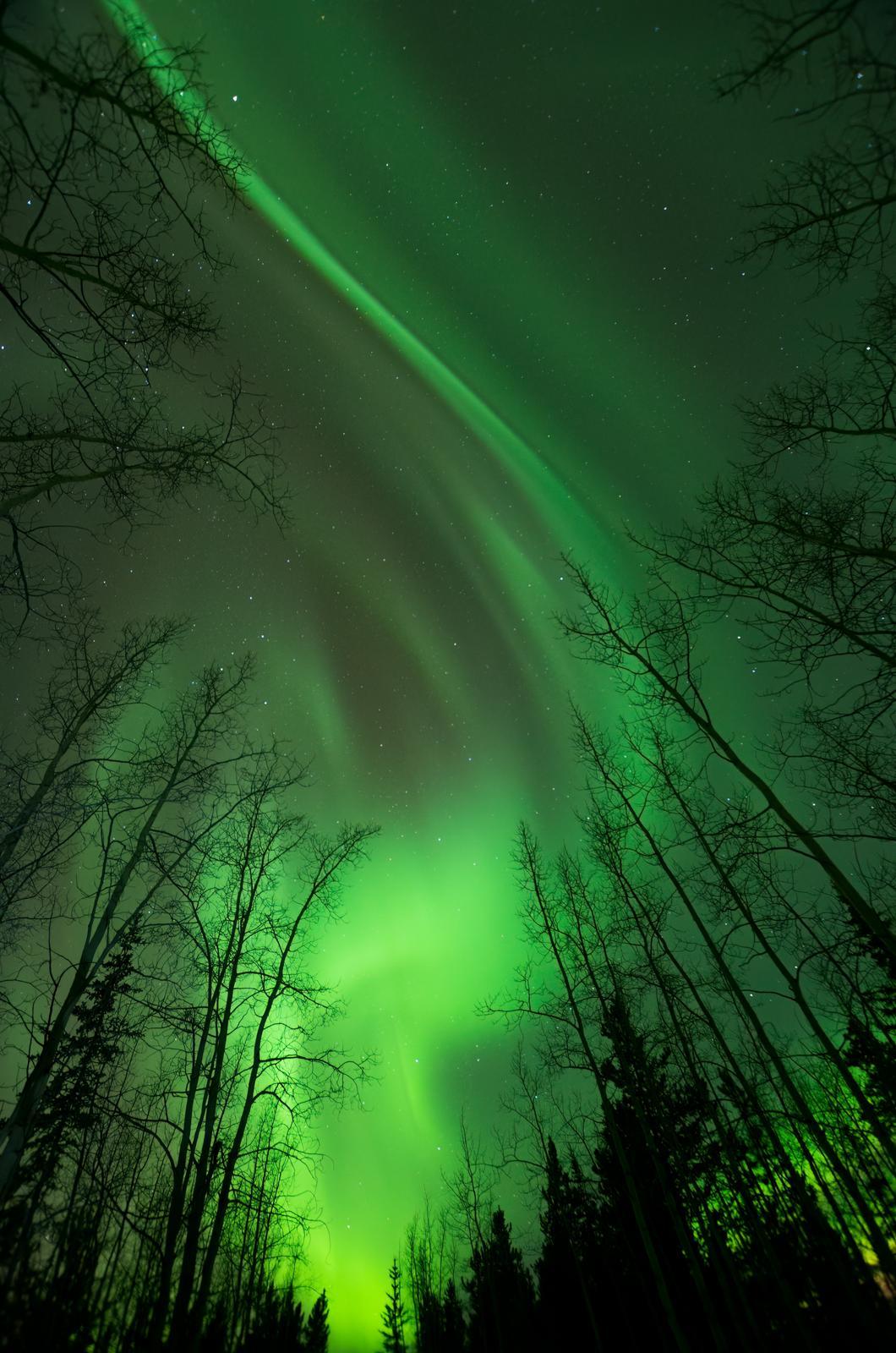
Yukon weather can change quickly, and temperatures can feel significantly colder when standing outside at night.

Aurora viewing is different from walking briefly between a hotel and a vehicle. Guests may spend extended periods outdoors while watching or photographing the sky.

Bring clothing that can be adjusted in layers rather than relying on one heavy item.

Travel Yukon recommends seasonally appropriate footwear, insulating layers such as fleece and clothing suitable for changing conditions.
What to Wear in Yukon

What to Wear for Winter Northern Lights Viewing

Base Layer

Wear moisture-managing thermal clothing next to your skin.

Recommended items include:

  • Thermal long-sleeved top
  • Thermal leggings
  • Warm, moisture-managing socks

Avoid relying entirely on cotton because it can retain moisture and become uncomfortable when cold.

Insulating Layer

Add one or more layers that help retain body heat.

Options may include:

  • Fleece sweater
  • Wool sweater
  • Lightweight insulated jacket
  • Insulated trousers
  • Warm vest

Several adjustable layers are often more practical than one extremely bulky layer.

Outer Layer

Your outer clothing should protect you from wind, snow and cold.

Bring:

  • Insulated winter jacket
  • Insulated or wind-resistant pants
  • Winter boots
  • Warm hat or toque
  • Neck warmer
  • Face covering
  • Insulated mittens or gloves

Mittens are often warmer than gloves because the fingers share heat.

Footwear

Warm, insulated boots are essential.

Your boots should have:

  • Insulation suitable for winter
  • Space for warm socks
  • Good traction
  • Protection from snow and moisture

Boots that are too tight may reduce circulation and make your feet feel colder.
Useful Extras

Useful Extras

Consider packing:

  • Hand warmers
  • Foot warmers
  • Spare socks
  • Lip balm
  • Moisturiser
  • Sunglasses for daytime snow glare
  • Small backpack
  • Reusable water bottle
  • Portable battery pack
  • Headlamp with a red-light setting

Cold temperatures can drain camera and phone batteries quickly. Keep spare batteries close to your body when possible.
What to Wear in Autumn and Spring

Temperatures can change considerably between day and night.

Bring:

  • Waterproof or water-resistant jacket
  • Fleece or warm sweater
  • Long trousers
  • Comfortable walking shoes or boots
  • Warm hat
  • Gloves
  • Light thermal layers
  • Extra dry socks

Northern Lights viewing still takes place late at night, so bring warmer clothing than you might need during daytime sightseeing.

What to Wear in Summer

Summer days may feel warm, but evenings can still be cool.

Pack:

  • Light layers
  • Rain jacket
  • Comfortable walking shoes
  • Hiking boots when required
  • Sun protection
  • Hat
  • Sunglasses
  • Insect repellent
  • Warm sweater or fleece
  • Light gloves and hat for remote or higher-elevation trips

Always review the forecast shortly before departure and prepare for changing conditions.

Winter-Clothing Rental

Winter clothing may be available to rent in Whitehorse by advance request.

Rental packages may include items such as:

  • Insulated parka
  • Winter pants
  • Boots
  • Gloves or mittens
  • Hat or face protection

Availability, sizing, rental period and fees should be confirmed before arrival. Whitehorse has providers offering winter-clothing packages for visitors participating in outdoor activities.

Getting to Whitehorse

Arrive by Air or Make Whitehorse Part of a Northern Road Trip

Whitehorse is Yukon’s principal transportation and visitor hub.

Most travellers arrive through Erik Nielsen Whitehorse International Airport, located a short drive from downtown. Scheduled flight options connect Whitehorse with larger Canadian gateways, although routes, frequencies and seasonal services may change.

Always confirm current flight schedules directly with the airline before making your final arrangements.

Flying to Whitehorse

Whitehorse can be reached through Canadian connecting cities, with Vancouver serving as one of the principal gateways.

Depending on the season and airline, services may also be available from cities such as:

  • Calgary
  • Edmonton
  • Kelowna
  • Victoria
  • Toronto
  • Ottawa
  • Yellowknife
  • Other northern communities

Routes are subject to seasonal and operational changes. Travel Yukon currently notes year-round connections through Vancouver and a mixture of regular and seasonal services from additional Canadian cities.

Before Booking Your Flight

Check:

  • Arrival and departure dates
  • Connection times
  • Baggage allowance
  • Winter-weather flexibility
  • Airport-transfer availability
  • Hotel check-in time
  • Aurora-tour departure time
  • Whether your first-night tour is practical after arrival

Avoid planning a late arrival immediately before a scheduled aurora departure unless the operator has confirmed that the timing is workable.

Driving to Whitehorse

Whitehorse is an important stop for travellers driving the Alaska Highway.

A Yukon road trip can be memorable, but driving distances are significant and services may be limited between communities. Weather, construction, wildlife and road conditions must be considered carefully.

Travellers should prepare:

  • A reliable vehicle
  • Appropriate seasonal tyres
  • Emergency supplies
  • Warm clothing
  • Food and water
  • A full fuel tank
  • Offline maps
  • Accommodation reservations
  • Flexible travel time

Travel Yukon describes Whitehorse as the territory’s main travel hub for both air passengers and Alaska Highway travellers.

Winter road travel should only be attempted by drivers who are properly equipped and comfortable with snow, ice, darkness and long distances.

Getting Around Whitehorse

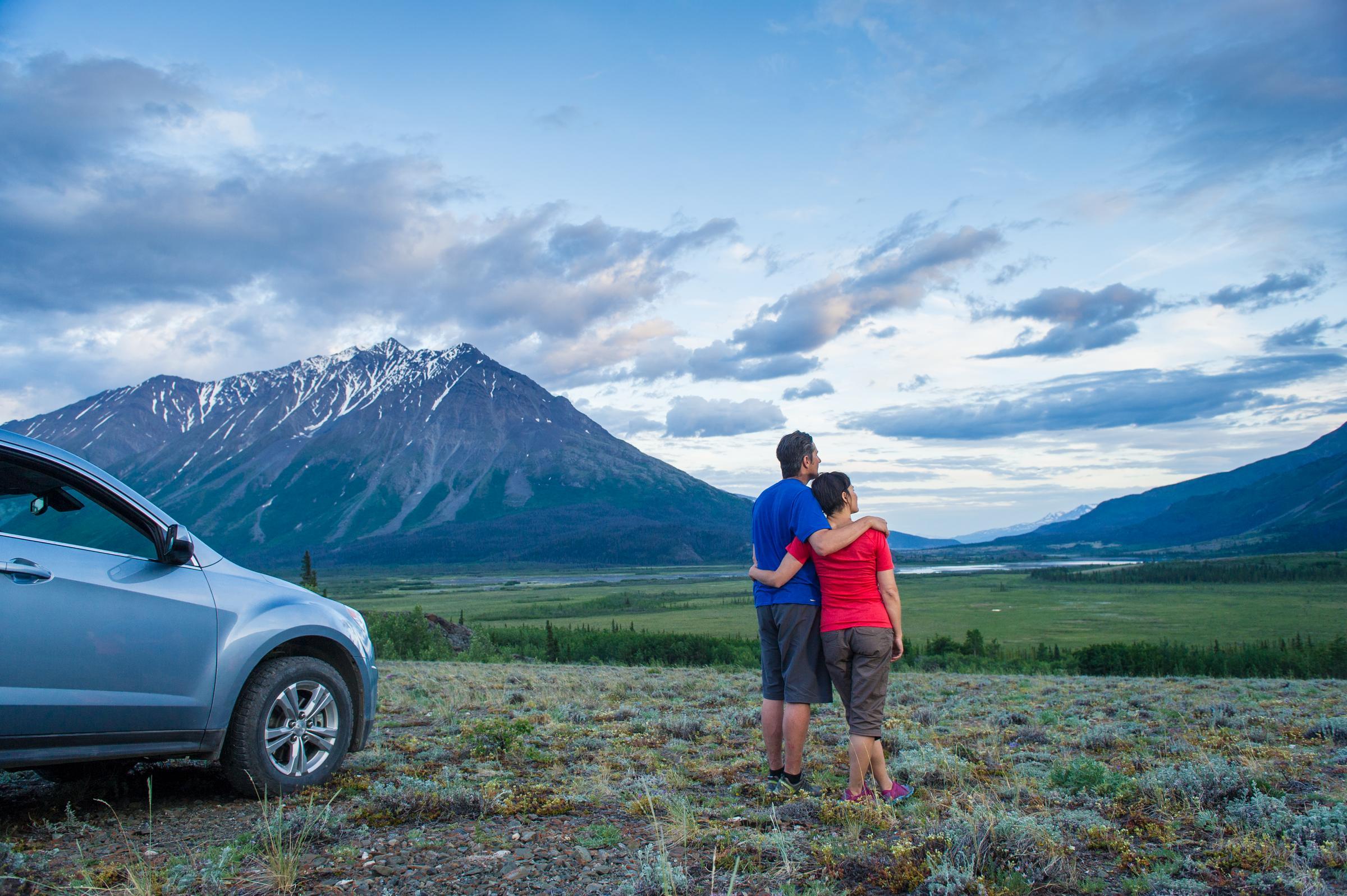
Downtown Whitehorse can be explored on foot, but many attractions and scenic destinations are located outside the central area.

Your options may include:

  • Guided tours
  • Package transportation
  • Taxi service
  • Rental vehicle
  • Public transit within parts of Whitehorse
  • Private transportation
  • Airport-transfer service

You do not need to rent a vehicle when your package includes airport transfers, city sightseeing, aurora transportation and transportation for selected activities.

A rental vehicle may be useful for independent travellers, but winter driving experience is important.

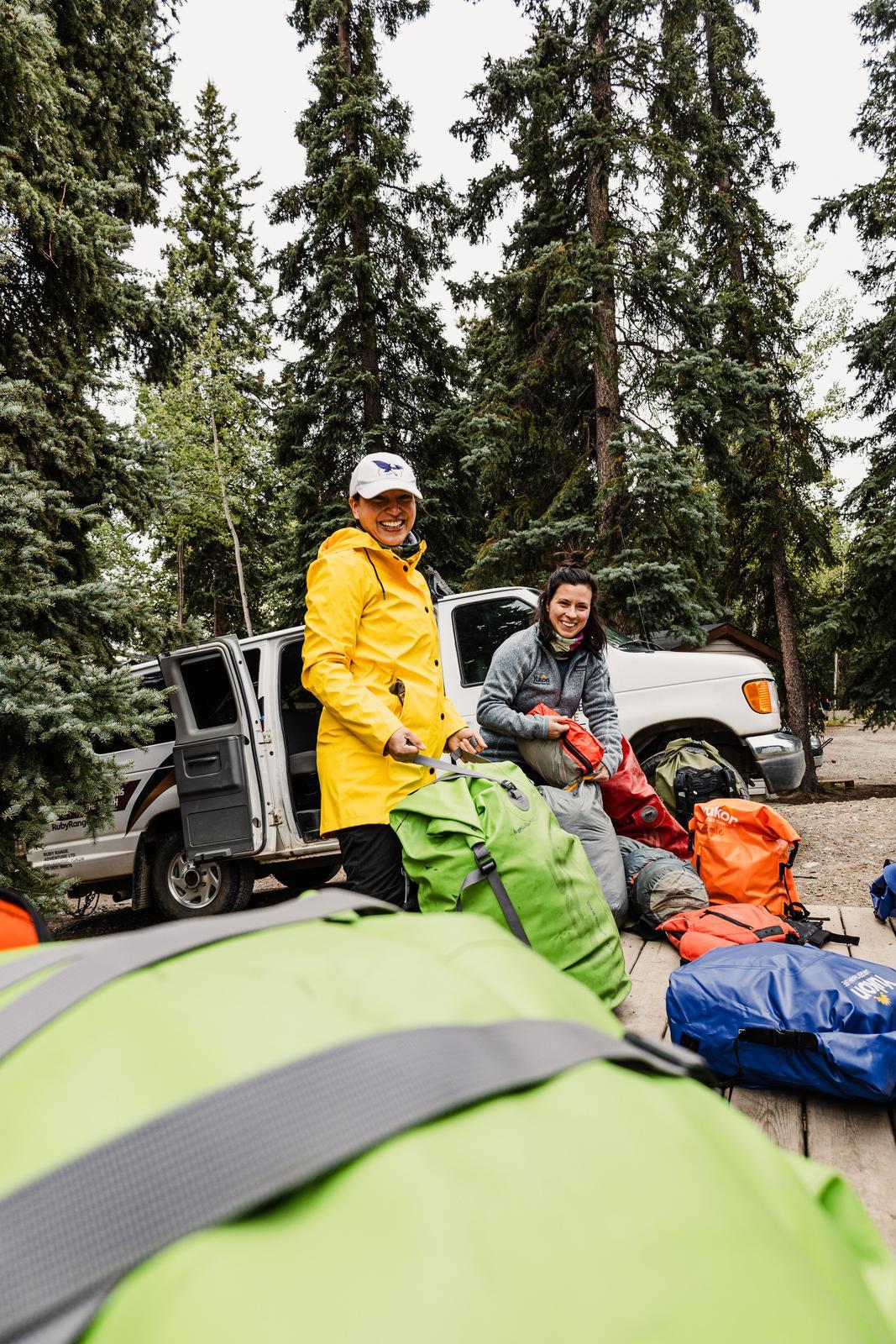
Travellers loading gear for a Yukon itinerary

Yukon Itineraries

Choose the Right Amount of Time for Your Trip

Your ideal itinerary depends on:

  • Number of aurora-viewing nights
  • Travel dates
  • Flight schedule
  • Daytime activity interests
  • Group size
  • Cold tolerance
  • Preferred pace
  • Travel budget

Avoid scheduling a demanding early-morning activity after every late-night aurora tour. Leave enough time to rest and enjoy the trip.

01

3 Days and 2 Nights

A Short Whitehorse Aurora Getaway

This itinerary suits travellers with limited time or visitors adding Yukon to a longer Canadian vacation.

Day 1

  • Arrive in Whitehorse
  • Airport transfer
  • Accommodation check-in
  • Whitehorse orientation or city tour
  • First Northern Lights experience

Day 2

Choose one daytime activity:

  • Explore downtown Whitehorse
  • Yukon Wildlife Preserve
  • Eclipse Nordic Hot Springs
  • Dog sledding
  • Ice fishing
  • Local scenic tour

In the evening:

  • Second Northern Lights experience

Day 3

  • Free morning depending on flight time
  • Accommodation checkout
  • Airport transfer

This itinerary provides two aurora-viewing opportunities but can feel active, especially after late-night tours.

02

This itinerary offers more flexibility and enough time for one or two daytime activities.

Day 1

  • Arrival and airport transfer
  • Accommodation check-in
  • Whitehorse city tour
  • First Northern Lights experience

Day 2

  • Free time or optional winter activity
  • Second Northern Lights experience

Day 3

Choose another experience:

  • Yukon Wildlife Preserve and Eclipse Nordic Hot Springs
  • Dog sledding
  • Ice fishing and snowshoeing
  • Carcross and Emerald Lake
  • Whitehorse museums
  • Rest and independent exploration

In the evening:

  • Third Northern Lights experience

Day 4

  • Free morning
  • Airport transfer
  • Departure

Three nights are a practical choice for many first-time visitors.

03

This itinerary is better suited to travellers making the Northern Lights a central part of the trip.

Day 1

  • Arrive in Whitehorse
  • Airport transfer
  • City orientation
  • First Northern Lights experience

Day 2

  • Dog sledding, wildlife or another winter activity
  • Second Northern Lights experience

Day 3

  • Yukon Wildlife Preserve and Eclipse Nordic Hot Springs
  • Third Northern Lights experience

Day 4

Choose a longer excursion:

  • Carcross and Emerald Lake
  • Kluane National Park region
  • Ice fishing
  • Snowmobiling
  • Scenic photography
  • Free day and local sightseeing

In the evening:

  • Fourth Northern Lights experience

Day 5

  • Final morning in Whitehorse
  • Airport transfer
  • Departure

Four nights provide more flexibility for cloud cover, activities and daytime rest.

04

A longer stay allows you to combine Northern Lights viewing with more of southern Yukon.

Your itinerary may include:

  • Three or four aurora nights
  • Whitehorse city tour
  • Dog sledding
  • Wildlife Preserve
  • Eclipse Nordic Hot Springs
  • Carcross and Emerald Lake
  • Kluane and Haines Junction
  • Ice fishing or snowmobiling
  • Museums and cultural attractions
  • Free time for shopping and restaurants

Whitehorse is a practical base for several three- to five-day routes, while longer road itineraries can extend into the Southern Lakes or Kluane regions.

Build rest periods into the itinerary, particularly when several late-night tours are planned.

Custom Yukon Itinerary

Build a Trip Around Your Interests

A custom itinerary may be appropriate when:

  • You want more than four nights
  • You are travelling with a family or organised group
  • You require private transportation
  • You want several full-day tours
  • You are planning a photography trip
  • You require multilingual assistance
  • You are celebrating a special occasion
  • You want to combine autumn scenery with aurora viewing
  • You need additional accommodation nights
  • You have mobility or accessibility requirements

Your itinerary can combine:

  • Accommodation
  • Airport transfers
  • Northern Lights tours
  • Whitehorse sightseeing
  • Dog sledding
  • Ice fishing
  • Snowmobiling
  • Wildlife Preserve
  • Eclipse Nordic Hot Springs
  • Carcross and Emerald Lake
  • Kluane National Park
  • Additional Yukon destinations

Frequently Asked Questions

01 What is the best month to visit Whitehorse for the Northern Lights?

There is no single guaranteed best month.

The principal viewing season runs from mid-August to mid-April. Autumn provides milder conditions and colourful scenery, while winter offers longer nights and snow-based activities.

Three to five days works well for many first-time visitors.

A three-night stay provides several aurora opportunities, while four or more nights allow greater flexibility for daytime tours and changing weather.

Not when your package includes airport transfers, aurora transportation and scheduled tours.

Independent travellers may benefit from a rental vehicle, but winter-driving experience and proper preparation are important.

Yes.

Cloud cover, weather and natural aurora activity can affect visibility. This is why we recommend building a trip that also includes Yukon scenery, wildlife, culture and daytime activities.

Yes. Aurora tours generally take place late in the evening and may continue after midnight.

Plan to rest during the day and avoid arranging an early activity every morning.

Winter temperatures can be very cold, although conditions vary throughout the season.

Proper insulated clothing, warm footwear and access to heated facilities are important.

Many children can participate, but parents should consider cold temperatures, late-night schedules and the child’s ability to remain comfortable while waiting.

Provide children’s ages, heights and weights before transportation is arranged.

Many seniors enjoy Whitehorse and the Northern Lights.

A package with transportation, a heated viewing cabin and a relaxed daytime schedule may be more comfortable. Tell us about mobility or medical requirements before booking.

Choose autumn for milder weather, fall colours and potential lake reflections.

Choose winter for snow, longer nights and activities such as dog sledding, ice fishing and snowmobiling.

Book as early as possible when your dates are fixed, particularly when you need multiple rooms, private transportation, winter clothing or popular activities.

Flights, accommodation and tour capacity may be limited during busy travel periods.

Get In Touch

Let’s Plan Your Yukon Adventure

Have questions about Northern Lights tours in Whitehorse, package availability or when to visit?

Planning your first trip to Northern Canada and looking for a fun-filled Yukon itinerary, our local team is here to help. Tell us your preferred travel dates, group size and the activities that interest you. We will recommend a suitable package and help you plan the next step.

Telephone
1-867-335-8922
Email
YukonTourCa@gmail.com
Email
Yukontour@hotmail.com
Address
Whitehorse, Yukon, Canada
Hours
Monday–Sunday: 9AM ~ 12 midnight
Languages
English, Mandarin, Cantonese and other languages may be available upon request.
Number of Travellers

Thank you!

We’ve received your trip details and will get back to you at the contact method you prefer as soon as possible.