

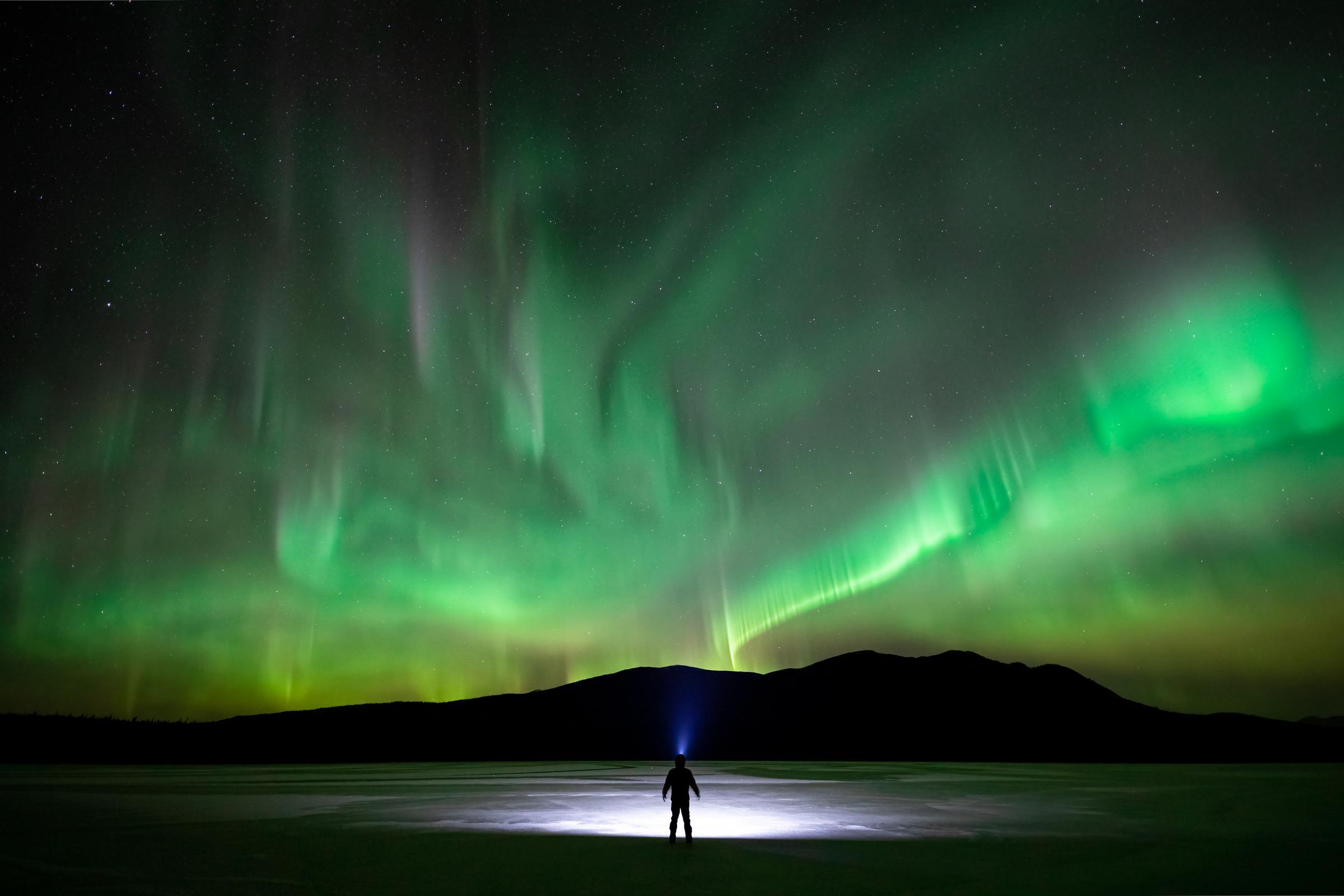
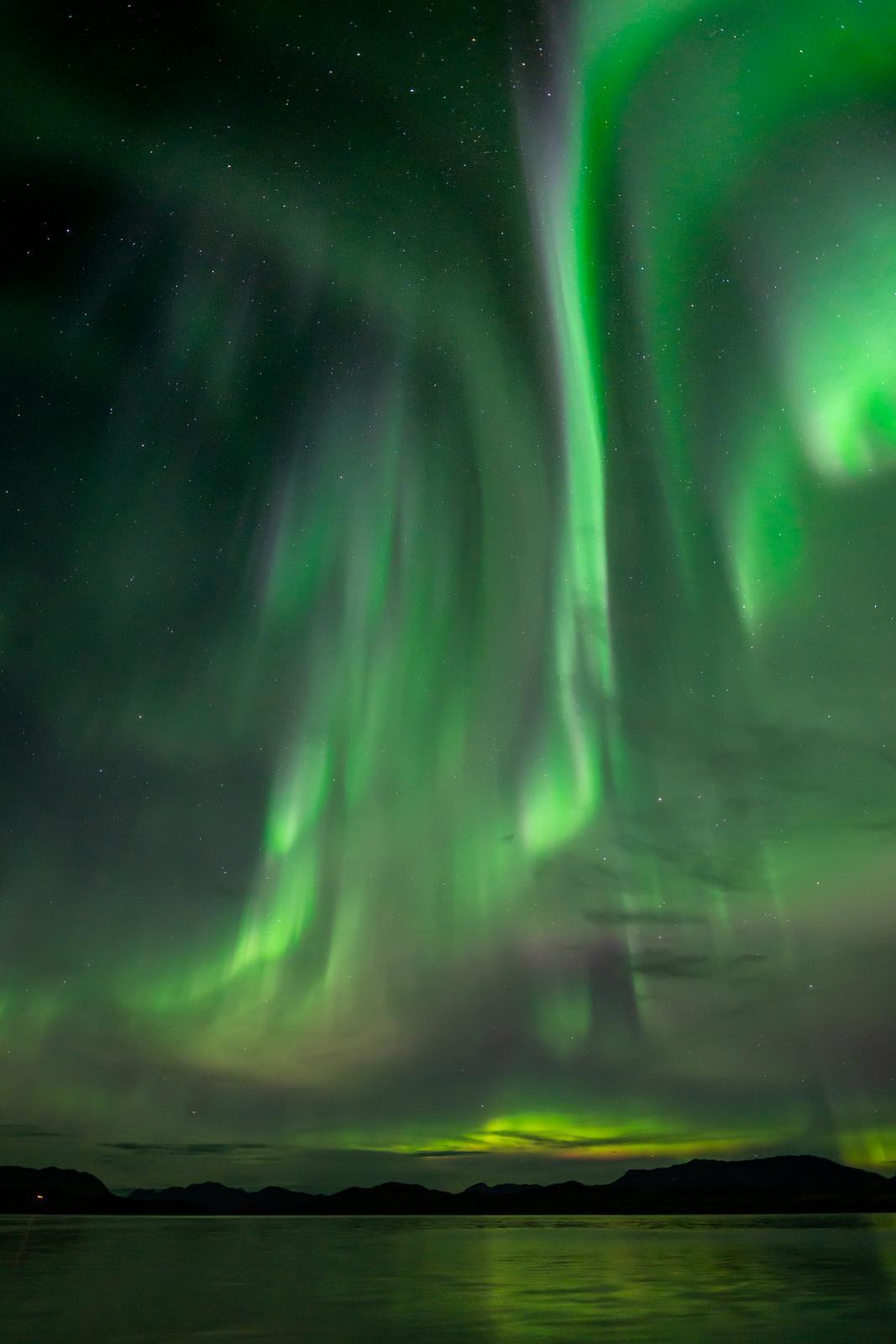
Northern Lights in Canada | Best Places to See the Aurora

Northern Lights in Canada | Best Places to See the Aurora

Discover the best places to see the Northern Lights in Canada. Compare Whitehorse, Yellowknife, Churchill and other destinations and plan your Yukon aurora trip.

Where Is the Best Place to See the Northern Lights in Canada?

There is no single destination that is best for every traveller.

Yellowknife and Whitehorse are considered two of Canada’s most accessible major aurora destinations. Yellowknife is especially well known for frequent aurora activity and a tourism industry strongly focused on the Northern Lights. Whitehorse is also located within the auroral region and offers a broader Yukon vacation with mountain landscapes and a wide variety of daytime activities.

The best choice depends on what you want from the entire trip:

Whitehorse

Choose Whitehorse for Northern Lights viewing combined with Yukon scenery, wildlife and daytime adventures.

Yellowknife

Choose Yellowknife for a highly aurora-focused Northwest Territories vacation.

Churchill

Choose Churchill for a remote subarctic trip combining the Northern Lights with northern wildlife and tundra experiences.

Jasper

Choose Jasper when dark-sky viewing and the Canadian Rockies are more important than maximising aurora opportunities.
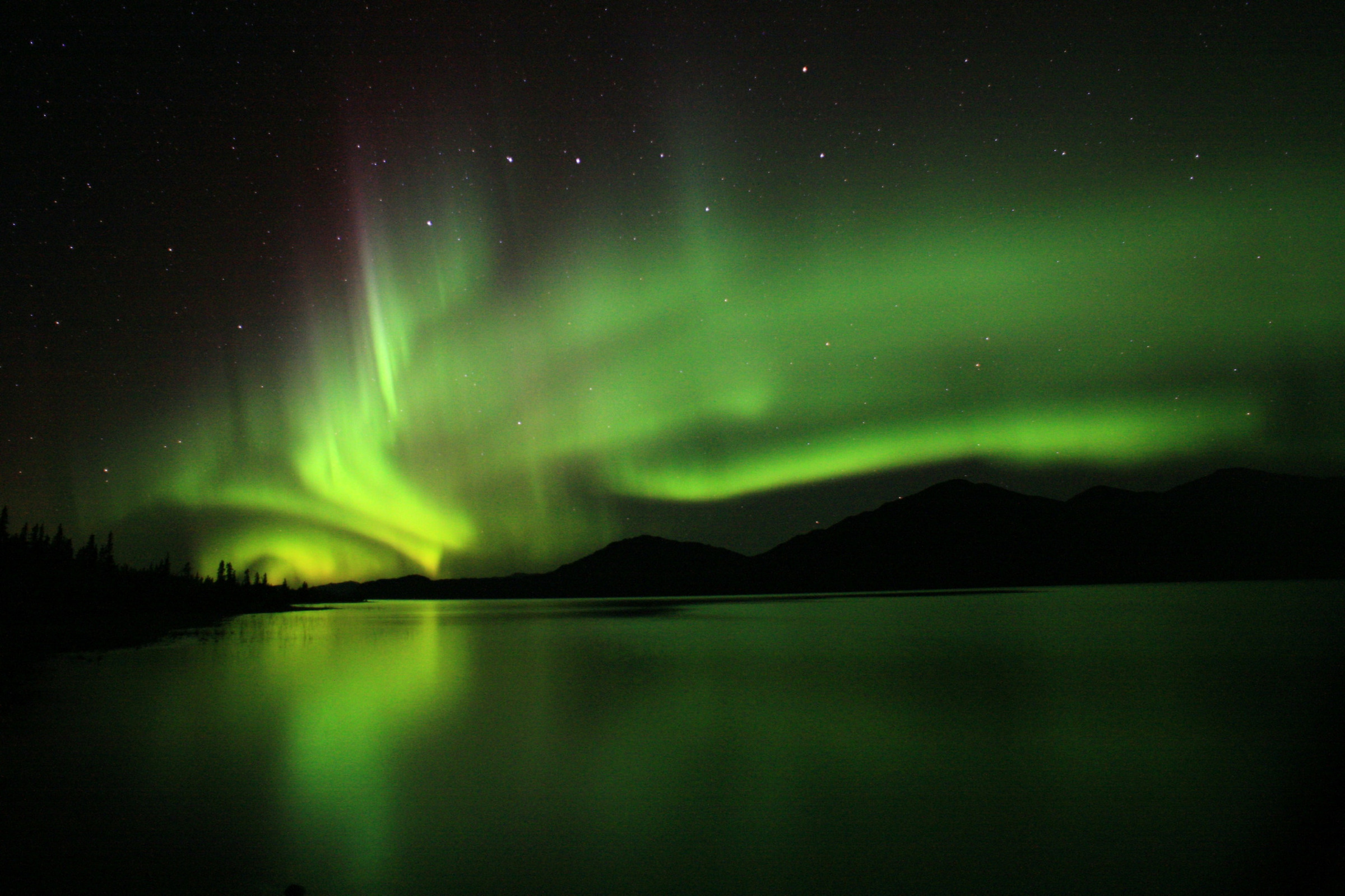
Whitehorse, Yukon
Whitehorse, Yukon

Our Recommendation

For travellers who want the Northern Lights to be part of a complete northern Canadian vacation, Whitehorse offers one of the most balanced choices.

You can watch the Aurora Borealis at night and explore the landscapes, wildlife, traditions and communities of the Yukon during the day.
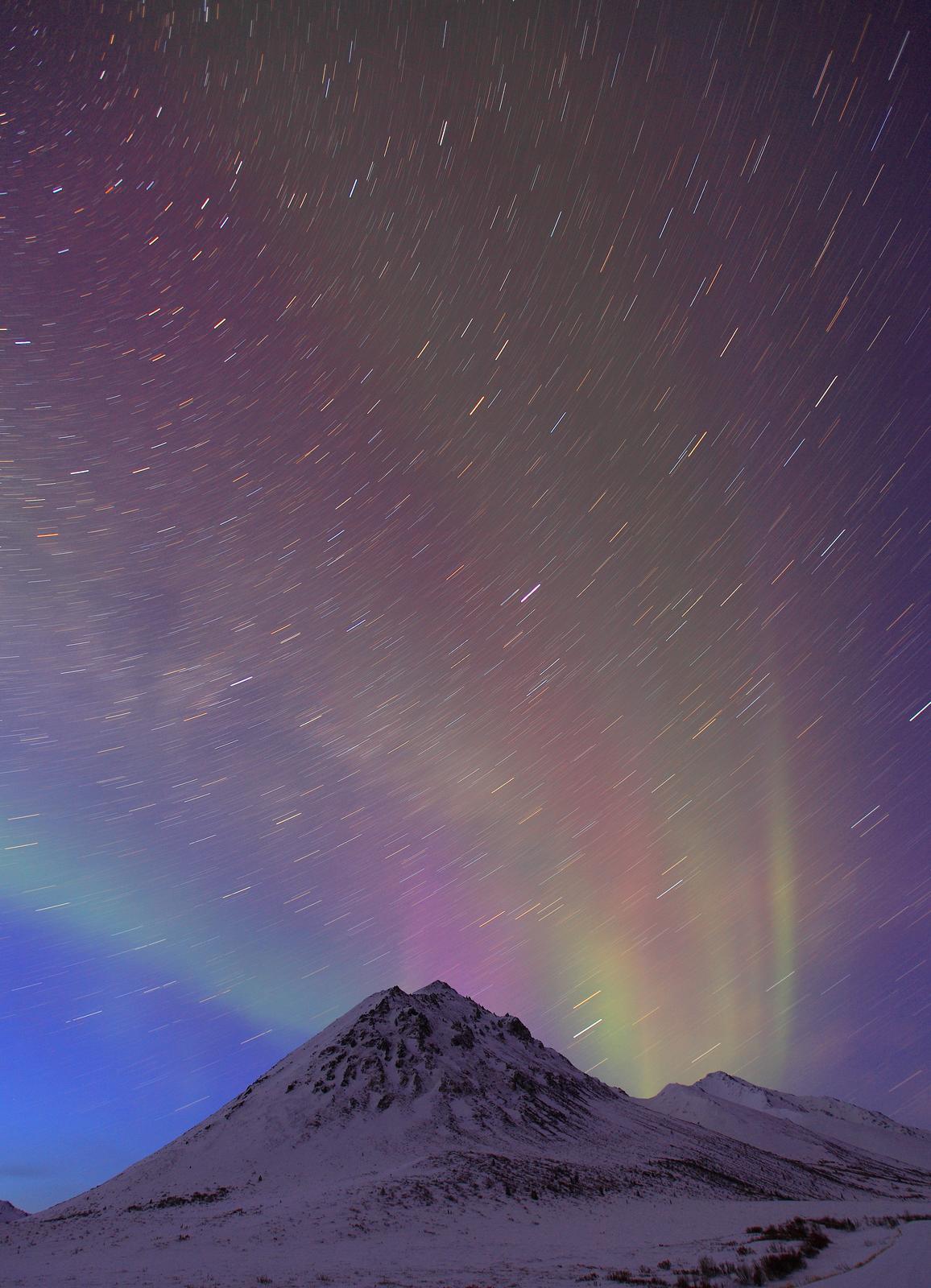
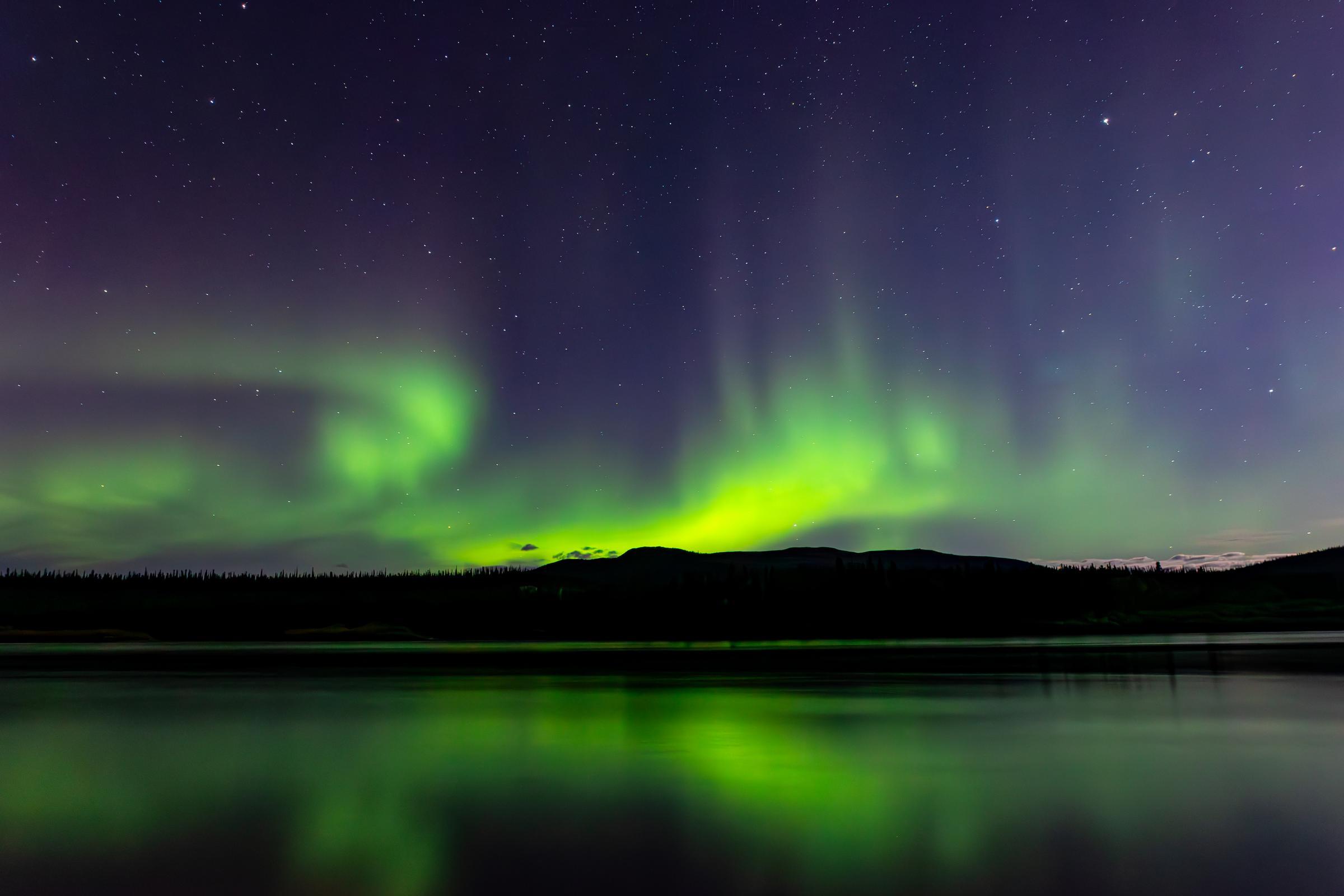
Aurora Borealis lighting up the night sky

What Causes the Northern Lights?

The Northern Lights are also known as the Aurora Borealis.

They occur when charged particles from the Sun interact with Earth’s magnetic environment and enter the upper atmosphere. Collisions with gases such as oxygen and nitrogen produce the glowing colours visible in the night sky.

Green is the colour seen most often, but the aurora may also appear:

  • White
  • Pink
  • Purple
  • Blue
  • Red

The display may begin as a faint arc along the northern horizon and develop into moving bands, pillars or curtains stretching across the sky.

Every aurora display is different. Some remain soft and subtle, while others move rapidly and fill a large portion of the night sky.

The Best Places to See the Northern Lights in Canada

01

Whitehorse, Yukon

Best for Northern Lights and a Complete Yukon Adventure

Whitehorse is one of Canada’s leading Northern Lights destinations and the main travel hub for exploring the Yukon.

The city is located within the auroral region, while the surrounding area provides access to dark skies away from urban light. The Yukon’s principal viewing season generally extends from mid-August until mid-April, with approximately 10:00 p.m. to 3:00 a.m. identified as a common viewing window.

Whitehorse is particularly suitable for travellers who want to combine the Aurora Borealis with:

  • Dog sledding
  • Ice fishing
  • Snowshoeing
  • Snowmobiling
  • Yukon Wildlife Preserve
  • Eclipse Nordic Hot Springs
  • Whitehorse sightseeing
  • Carcross and Emerald Lake
  • Kluane National Park
  • Autumn scenery
  • Mountain and wildlife photography

Yukon Home and Tour provides multi-night aurora packages, airport transportation, accommodation options, local sightseeing and access to a rustic heated viewing cabin outside the brighter lights of Whitehorse.

02

Yellowknife is probably Canada’s most internationally recognised Northern Lights destination.

Its location beneath the auroral oval, relatively open surroundings and established aurora-tourism industry have made it a popular choice for travellers whose primary objective is seeing the lights.

Northwest Territories Tourism states that the aurora may be visible in the territory on as many as 240 nights each year. Yellowknife offers viewing lodges, aurora-hunting tours, heated facilities and Indigenous cultural experiences.

Yellowknife may be the right choice when:

  • The aurora is almost the sole purpose of your trip
  • You want a destination internationally identified with Northern Lights tourism
  • You prefer open northern landscapes
  • You want to select from numerous dedicated aurora operators

Whitehorse may be more suitable when you want greater variety in the landscapes and activities included in your vacation.

03

Churchill is internationally recognised for polar bears and beluga whales, but it is also an important Northern Lights destination.

Its remote location, dark surroundings and subarctic environment create excellent opportunities for aurora viewing. February and March are commonly promoted as particularly favourable months because of their long, dark and often clear nights.

Churchill may appeal to travellers interested in:

  • A remote northern community
  • Tundra landscapes
  • Specialised aurora lodges
  • Indigenous and cultural experiences
  • Northern wildlife
  • A more expedition-style journey

Travel to Churchill generally requires more advance planning than a visit to Whitehorse or Yellowknife. Accommodation and specialised tours may also have limited capacity.

04

Jasper National Park is an excellent destination for stargazing and night-sky photography.

The park is recognised as the second-largest Dark-Sky Preserve in the world, offering expansive night views with limited light pollution. Northern Lights may also be visible when geomagnetic conditions are favourable.

Jasper may be a good choice when:

  • You are already planning a Canadian Rockies vacation
  • Stargazing is as important as the Northern Lights
  • You want mountain landscapes
  • You prefer a road-trip itinerary through Alberta
  • Seeing the aurora would be an added bonus rather than the entire purpose of the trip

Travellers making a special journey primarily to see the Northern Lights may prefer a farther-north destination such as Whitehorse or Yellowknife.

Other Northern Canadian Destinations

Remote destinations may offer very dark skies and distinctive cultural or wilderness experiences. However, travellers should consider flight access, accommodation, transportation, weather and the availability of established tour services.

For most first-time international visitors, Whitehorse and Yellowknife provide a more practical combination of northern location, airport access, accommodation and organised aurora tours.

Northern Lights may also be observed in other areas of:

Yukon Northwest Territories Nunavut Northern Manitoba Northern Saskatchewan Northern Alberta Northern British Columbia Newfoundland and Labrador

Whitehorse or Yellowknife: Which Should You Choose?

Choose Whitehorse When You Want:

  • Northern Lights viewing and a broader Yukon vacation
  • Mountain, forest, river and lake scenery
  • Dog sledding, wildlife and Eclipse Nordic Hot Springs
  • Scenic day tours from one central base
  • Autumn as well as winter aurora experiences
  • Accommodation and transportation coordinated together
  • A heated cabin or teepee during aurora viewing
  • A more varied three- to five-day itinerary

Choose Yellowknife When You Want:

  • A vacation concentrated primarily on aurora viewing
  • A destination with the strongest international aurora reputation
  • Open Northwest Territories landscapes
  • A large selection of dedicated aurora operators
  • Indigenous cultural aurora experiences
  • Lodge-based or mobile aurora-hunting options

Neither destination can guarantee a sighting. Cloud cover can prevent the lights from being visible even when aurora activity is occurring above the clouds.

The Simple Comparison

Yellowknife is famous for the Northern Lights. Whitehorse gives you the Northern Lights and the Yukon.

Why Choose Yukon for a Canadian Northern Lights Trip?

Two Distinct Viewing Seasons

The Yukon offers both autumn and winter aurora experiences.

The main viewing season extends from approximately mid-August to mid-April. Autumn offers cooler nights, colourful landscapes and the possibility of aurora reflections on unfrozen water. Winter provides longer nights, snow-covered scenery and access to traditional cold-weather activities.

More Than an Evening Tour

A Whitehorse itinerary can combine Northern Lights viewing with:

  • Wildlife encounters
  • Dog sledding
  • Ice fishing
  • Eclipse Nordic Hot Springs
  • Snowmobiling
  • Yukon history
  • Mountain scenery
  • Scenic road trips
  • Photography
  • Local communities

Travel Yukon identifies dog sledding, snowmobiling, snowshoeing, ice fishing, wildlife viewing and Eclipse Nordic Hot Springs among the territory’s signature winter activities.

An Accessible Northern Base

Whitehorse allows visitors to stay in a territorial capital while travelling outside the city for darker skies.

Airport transfers, accommodation, aurora tours and daytime experiences can be coordinated within one itinerary, making it possible to visit without renting a vehicle.

Comfortable Aurora Viewing

Guests travelling with Yukon Home and Tour can wait inside a rustic heated cabin or teepee between outdoor viewing periods.

Hot drinks, snacks and photography assistance make the experience more comfortable for first-time winter visitors, families and seniors.

When Is the Best Time to See the Northern Lights in Canada?

The best time depends on the destination.
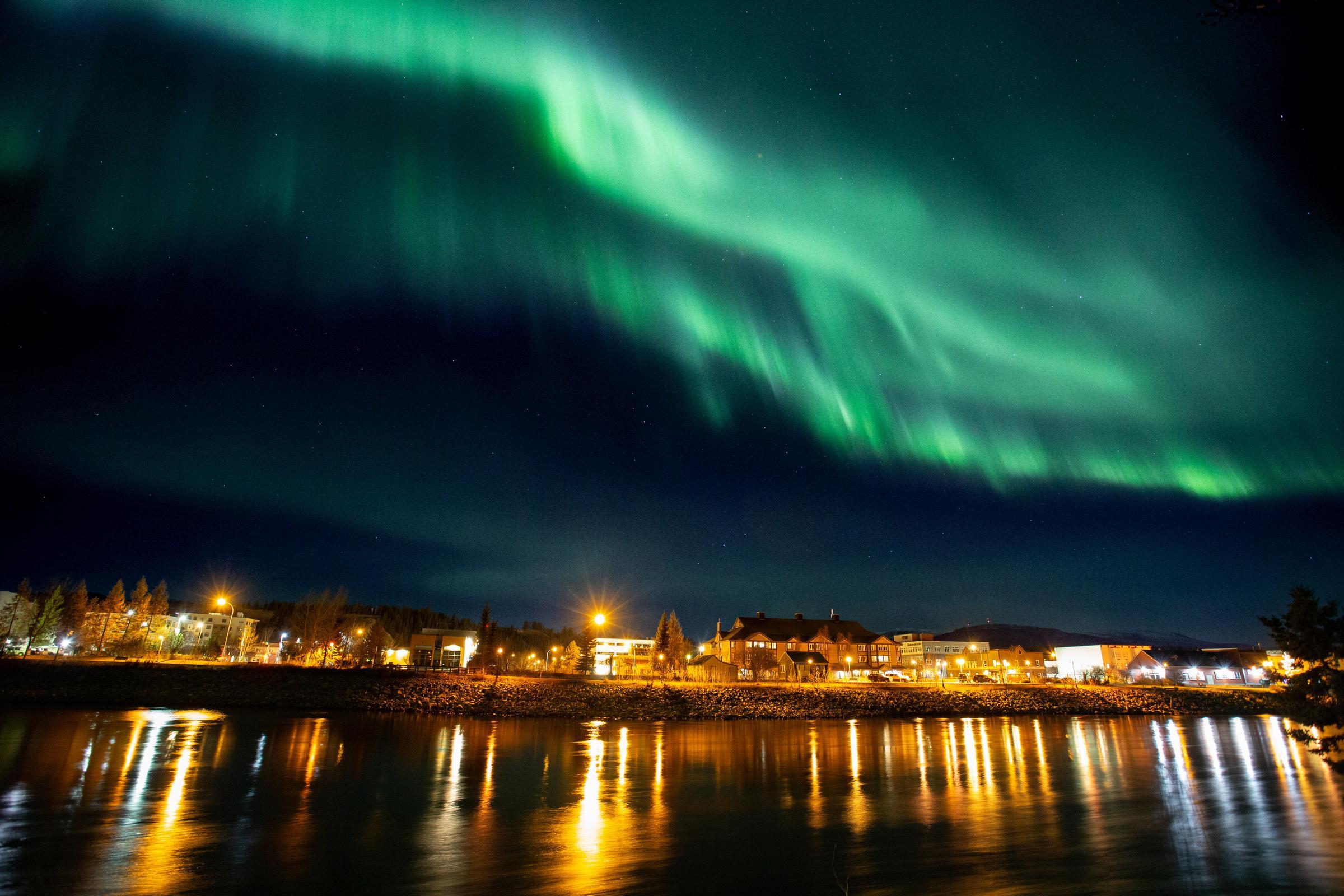
Yukon and Whitehorse

Yukon and Whitehorse

The principal viewing season generally runs from mid-August to mid-April. Dark, clear nights between approximately 10:00 p.m. and 3:00 a.m. often provide the most useful viewing window.
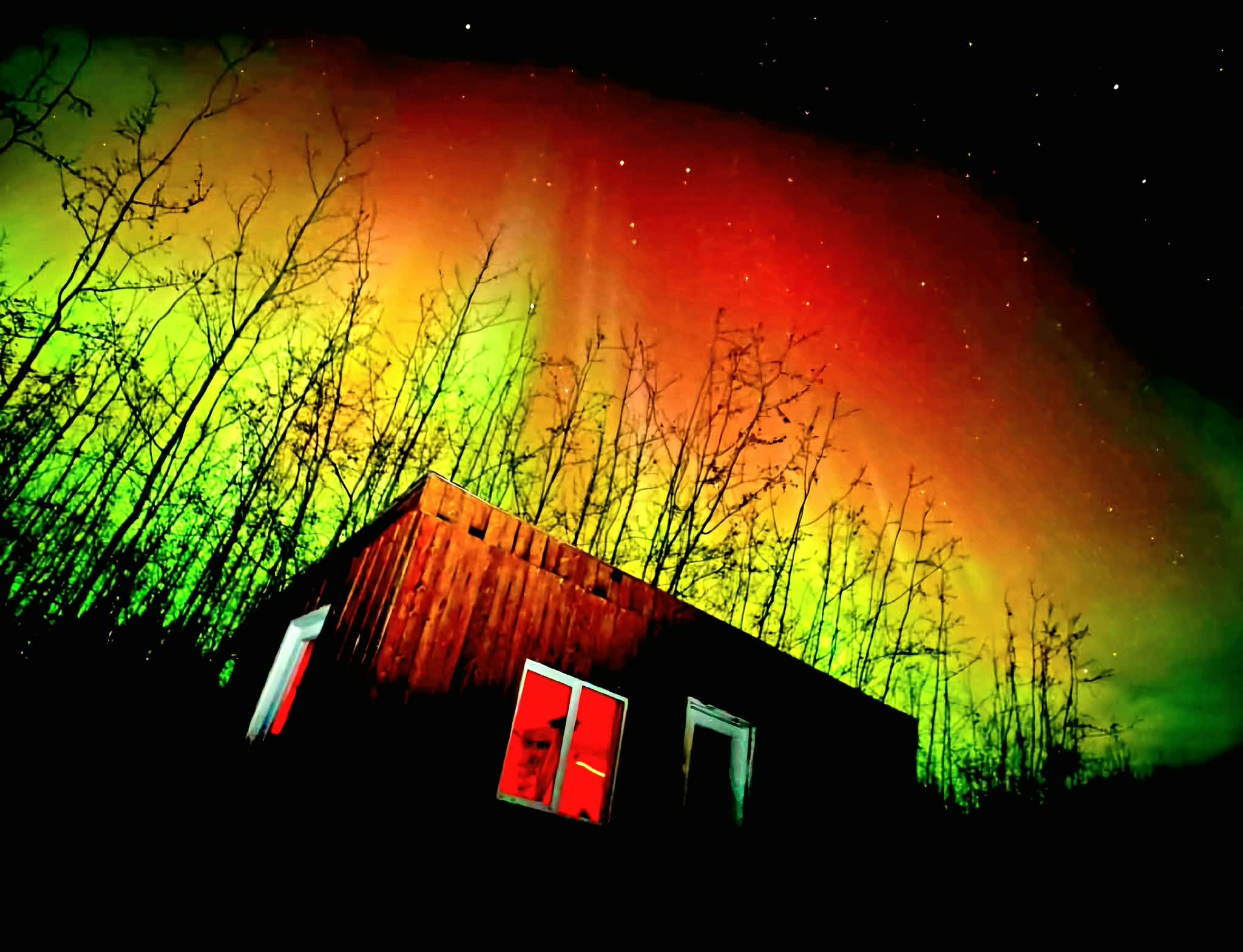
Yellowknife

Yellowknife

Yellowknife offers autumn and winter aurora seasons. Visitors commonly travel during late summer and autumn or during the colder, darker winter months.
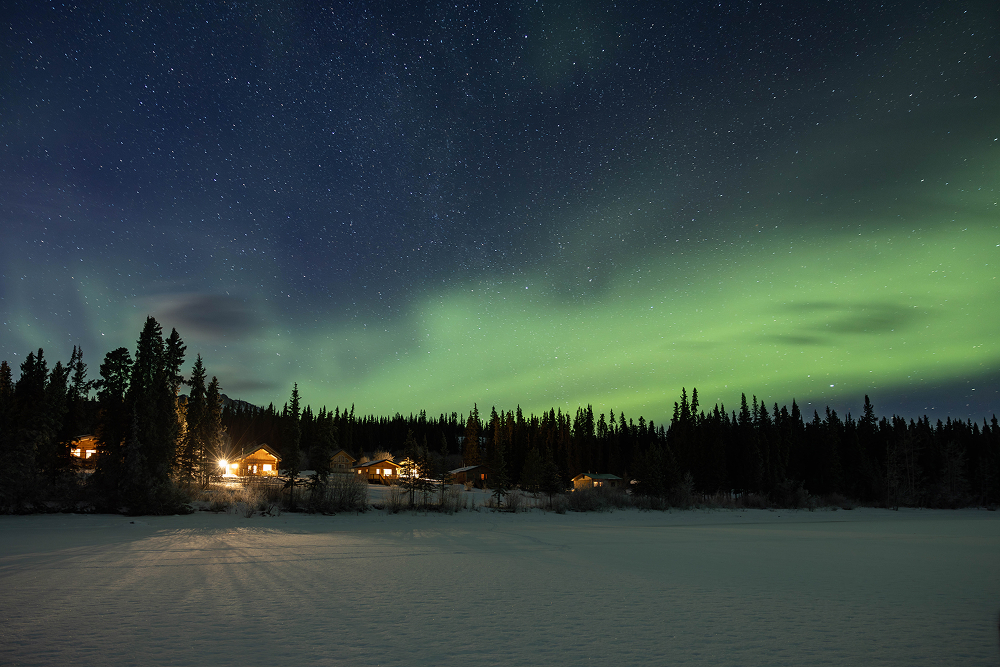
Churchill

Churchill

February and March are widely promoted as prime aurora months in Churchill because of their long, dark nights.
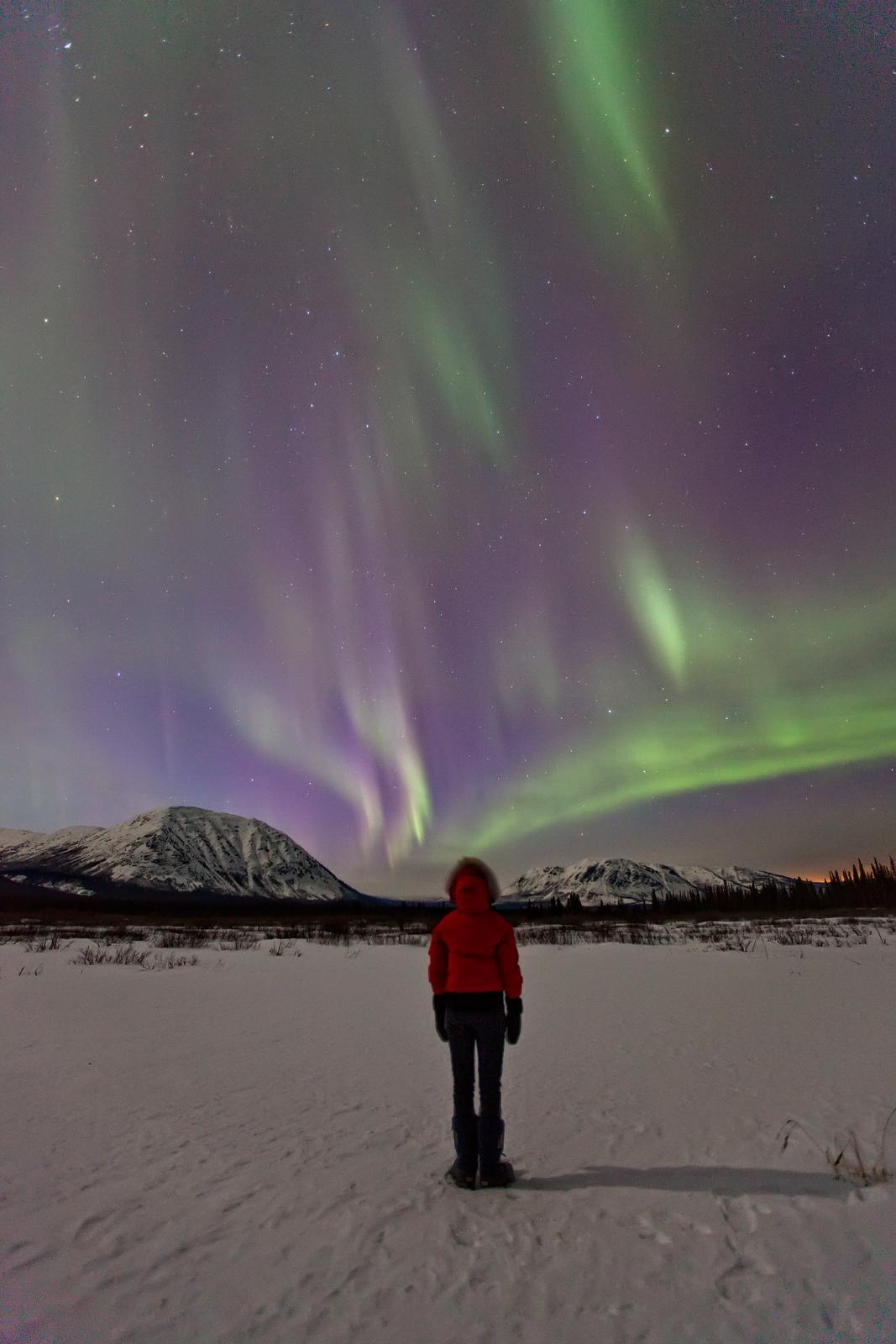
Southern Canadian Destinations

Southern Canadian Destinations

Northern Lights may appear farther south during stronger geomagnetic activity. However, travellers should not build an expensive aurora-specific trip around a southern destination unless the location also offers other reasons to visit.
Autumn or Winter: Which Is Better?

Choose Autumn When You Prefer:

  • Milder temperatures
  • Colourful Yukon landscapes
  • Open lakes and potential aurora reflections
  • Easier sightseeing and walking
  • Fall photography
  • Fewer traditional winter activities

Choose Winter When You Prefer:

  • Longer periods of darkness
  • Snow-covered landscapes
  • Dog sledding
  • Ice fishing
  • Snowmobiling
  • Snowshoeing
  • A classic Canadian northern-winter experience

There is no single month that guarantees a stronger aurora display. Clear skies and solar activity matter more than selecting one supposedly perfect date.

How Many Nights Should You Stay?

Travellers whose primary goal is seeing the Northern Lights should consider at least three or four viewing nights.

Additional nights do not guarantee a sighting, but they provide more opportunities to encounter favourable conditions.

One evening may be affected by:

  • Cloud cover
  • Snow
  • Changing weather
  • Weak aurora activity
  • Bright moonlight
  • Poor local visibility
2

Two Nights

Suitable for travellers with limited time or those adding Yukon to a longer Canadian vacation.

3

Three Nights

A balanced option offering several viewing opportunities and enough time for one or two daytime activities.

What Affects Your Chances of Seeing the Aurora?

Solar Activity

Aurora displays are connected to activity from the Sun and its interaction with Earth’s magnetic environment.

Cloud Cover

Clouds can block the view even when the Aurora Borealis is active above them.

Darkness

The sky must be sufficiently dark. This is why long summer daylight makes aurora viewing difficult or impossible in many northern destinations.

Light Pollution

Streetlights, buildings and vehicle lights can make weaker displays harder to see. NOAA recommends viewing away from city lights where possible.

Viewing Time

The aurora does not follow a fixed schedule. Guests should be prepared to wait and remain awake late into the night.

Northern Lights Packages in Whitehorse

2-Night Northern Lights Package

A short Whitehorse introduction with two aurora-viewing evenings, accommodation, airport transfers and a guided city tour.

Explore the 2-Night Package
2-Night Northern Lights Package

3-Night Northern Lights Package

A balanced Yukon getaway with three viewing opportunities and time for optional daytime activities.

Explore the 3-Night Package
3-Night Northern Lights Package

4-Night Northern Lights Package

A more complete Yukon vacation with four aurora evenings and time for several winter or scenic experiences.

Explore the 4-Night Package
4-Night Northern Lights Package

Private Northern Lights Tour

Reserve an aurora experience for your own family, friends or travel companions.

Explore Private Tours
Private Northern Lights Tour

Custom Yukon Aurora Package

Combine your preferred number of viewing nights with accommodation, transportation and selected Yukon activities.

Build a Custom Yukon Package
Custom Yukon Aurora Package

Frequently Asked Questions

01 Where is the best place to see the Northern Lights in Canada?

Whitehorse and Yellowknife are two of Canada’s leading and most accessible aurora destinations.

Yellowknife has the stronger international reputation for frequent aurora viewing. Whitehorse offers excellent viewing combined with mountain landscapes and a wider variety of daytime Yukon experiences.

Both destinations can produce extraordinary displays.

Yellowknife is more widely known for aurora tourism, while Whitehorse may be a better choice for travellers who want Northern Lights viewing combined with wildlife, Eclipse Nordic Hot Springs, dog sledding and scenic Yukon tours.

No.

Aurora visibility depends on solar activity, darkness, cloud cover, weather and local viewing conditions. No responsible operator can guarantee that the lights will appear on a particular evening.

There is no single guaranteed best month.

In Yukon, the principal viewing season extends from mid-August to mid-April. Autumn provides milder conditions, while winter offers longer nights and snow-based activities.

Aurora activity may still occur, but the long daylight hours in northern Canada make the lights difficult or impossible to see during much of the summer.

In Yukon, practical viewing generally returns around mid-August.

Yes.

A strong display can be clearly visible and colourful. A weaker aurora may appear pale or greyish at first. Cameras are often more sensitive to low light and may capture stronger colours than the human eye notices.

Three or four nights are commonly recommended for travellers whose main objective is seeing the aurora.

Several nights provide more flexibility when cloud cover affects one part of the trip.

A tour is not mandatory, but it provides transportation, a suitable viewing location, local guidance and a warm place to wait.

It may be particularly helpful for first-time visitors and travellers unfamiliar with northern winter roads.

A strong aurora may be visible from within the city, but artificial lighting and obstructions can reduce the quality of the experience.

Travelling outside Whitehorse to a darker location with an open northern horizon generally provides better viewing conditions.

Dress in warm layers appropriate for the season.

Winter clothing should normally include thermal base layers, an insulated jacket and pants, winter boots, warm socks, a hat, face protection and insulated gloves or mittens.

Plan Your Northern Lights Trip to Canada

Begin Your Journey in Whitehorse, Yukon

Tell us your preferred travel dates, number of guests and the kind of northern experience you are planning.

Our local team can help you compare package lengths, arrange accommodation and transportation, and add Yukon activities that suit your interests.

Come to Canada for the Northern Lights. Come to Whitehorse to experience the Northern Lights and the Yukon.

Get In Touch

Let’s Plan Your Yukon Adventure

Have questions about Northern Lights tours in Whitehorse, package availability or when to visit?

Planning your first trip to Northern Canada and looking for a fun-filled Yukon itinerary, our local team is here to help. Tell us your preferred travel dates, group size and the activities that interest you. We will recommend a suitable package and help you plan the next step.

Telephone
Hours
Monday–Sunday: 9AM ~ 12 midnight
Languages
English, Mandarin, Cantonese and other languages may be available upon request.
Number of Travellers

Thank you!

We’ve received your trip details and will get back to you at the contact method you prefer as soon as possible.